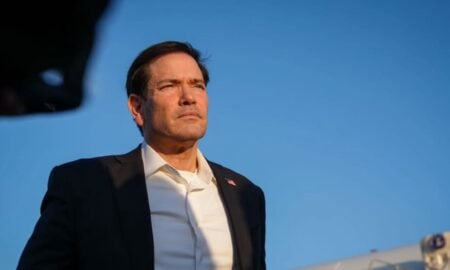
Donald Trump Votes in Florida Amidst 2024 Presidential Election Tensions


On November 5, 2024, Donald Trump cast his vote in Palm Beach, Florida, as part of the highly anticipated U.S. presidential election. Surrounded by supporters and intense media coverage, Trump voted at his usual polling station, reaffirming his commitment to the democratic process. This act, while symbolic, carries significant weight given the backdrop of his recent legal battles and ongoing campaign for the presidency.
Political and legal context of Trump’s voting
Donald Trump has faced numerous legal challenges over recent years, including criminal convictions. Despite this, his participation in the electoral process remained intact. Florida law permits residents with out-of-state convictions to vote, provided their voting rights have been restored in the jurisdiction of conviction. In Trump’s case, New York’s legal stipulations—where some of his convictions were issued—did not impede his right to vote, allowing him to legally participate in Florida, where he currently resides.
This situation has sparked debates over the legitimacy of his candidacy and voting rights. Legal experts and election law scholars have highlighted discrepancies in state and federal laws regarding the voting eligibility of individuals with criminal records. Despite the controversies, Trump pushed forward with his campaign, maintaining his position as one of the top contenders in the race.
The significance of Florida in the electoral landscape
Florida plays a pivotal role in any U.S. presidential election, with its 30 Electoral College votes. The state is historically recognized for its tight races and swing state status, where outcomes can fluctuate between parties from one election to the next. Trump’s decision to vote in Palm Beach underscores the strategic importance of solidifying support within the state.
With a diverse voter base, Florida serves as a microcosm of the broader political and social divides across the nation. For Trump, securing strong support in Florida is not just a strategic move but an essential component of his pathway to reclaiming the White House. His backing in the state includes a mix of conservative voters, exiles from authoritarian regimes who resonate with his strong rhetoric, and a significant segment of the retiree population.
Details of Trump’s voting in Palm Beach
On election day, Trump arrived at the polling station amid high anticipation and extensive media attention. Enhanced security measures, including police and private security teams, were in place to ensure the event proceeded smoothly. The gathering drew enthusiastic supporters as well as critics, creating a charged and competitive atmosphere.
Trump voted at his usual polling location in Palm Beach County, where his well-known residence and social club, Mar-a-Lago, is situated. His presence was not only a symbolic gesture but also a means to energize his base and encourage voter turnout. Images and footage of Trump entering and exiting the voting site quickly spread across social media and news channels, heightening public interest in his electoral participation.
Public and political reactions
Trump’s voting drew varied and strong reactions. His supporters viewed his presence as a testament to his resilience and dedication to the democratic process despite facing multiple legal challenges. For them, Trump remains a formidable and influential leader, capable of defying political norms and taking on what they see as political persecution.
Conversely, critics argued that Trump’s candidacy raised ethical concerns, particularly concerning adherence to legal and moral standards. The notion that a candidate with criminal convictions could be on the ballot has sparked discussions on the need for electoral reforms. Analysts point out that this scenario could set precedents for other political figures facing similar legal predicaments.
Enhanced security measures during the voting
The presence of such a polarizing figure as Donald Trump necessitated comprehensive and thorough security arrangements. Palm Beach County was prepared for his arrival with local, state, and federal agents present. Measures included security barriers, crowd control protocols, and isolation zones to ensure the voting process remained uninterrupted.
Additionally, the influx of people and media presence posed logistical challenges. Local authorities worked diligently to maintain order and safeguard both Trump and the public. The heightened security surrounding high-profile political figures during elections underscores the growing social and political tension in the U.S., especially during electoral periods.
Campaign strategy and voter mobilization
Trump’s decision to vote in Florida and make it a highly visible event is part of his broader campaign strategy. The former president has made frequent visits to key battleground states as part of an effort to energize and mobilize his base. Florida, in particular, serves as a litmus test for the strength of his campaign and his ability to draw voters.
This strategy includes rallies, community events, and public appearances focused on highlighting core issues of his platform, such as border security, economic policies, and foreign affairs. By voting publicly, Trump also makes a statement of commitment to these central campaign themes and seeks to solidify his support among highly engaged voters.
Discussion on voting laws and rights
Trump’s case has reignited debates about the U.S. electoral system and the voting rights of individuals with criminal records. State laws regarding voting eligibility vary significantly, and Trump’s situation sheds light on these inconsistencies and legal gaps. His participation may prompt discussions about revisiting the rules surrounding voting rights for individuals with criminal backgrounds, particularly for high-profile figures.
The conversation about voting rights in the U.S. is complex, involving themes of justice, equality, and legality. Florida, for example, has undergone reforms in its electoral laws, particularly following the approval of amendments restoring voting rights to certain categories of former inmates. However, the enforcement and interpretation of these laws remain inconsistent, making Trump’s case a notable example for potential future legislative scrutiny.
Timeline of recent events involving Trump
- Previous years: Trump faced multiple investigations and legal proceedings.
- 2024: Trump launched his presidential campaign amid ongoing legal challenges.
- November 2024: Trump votes in Palm Beach, Florida, amid heavy media coverage and public interest.
Broader implications for future political scenarios
Donald Trump’s participation in the 2024 presidential election has far-reaching implications, not just for his campaign but for the broader U.S. political and electoral framework. He continues to be a polarizing figure whose actions challenge established norms and redefine leadership in American politics. His ability to galvanize voters and withstand legal challenges exemplifies resilience and reshapes the understanding of political candidacy in the U.S.