How Taylor Swift and Beyoncé and Kanye West and Kid Rock are divided in the elections: public support for Kamala Harris and Donald Trump

The 2024 U.S. presidential elections are highly polarized, with public figures voicing support for leading candidates Kamala Harris and Donald Trump. This endorsement reflects not only the political divide in the country but also the growing influence of celebrities in politics, a trend that has intensified in recent years. Major names in music, film, and social media are using their platforms to express their views and, in some cases, attempt to influence the voting behavior of millions of followers. This engagement has sparked debates and intense reactions, highlighting the significant role of public figures in the current American political landscape.
Support for Kamala Harris: Taylor Swift and Beyoncé lead the Democratic celebrity team
Kamala Harris, the Democratic Party’s candidate, has drawn support from various influential celebrities who view her as a representative of liberal and progressive values, advocating for causes such as equal rights, fighting discrimination, and environmental protection. Among the most prominent voices supporting her is singer Taylor Swift, who, through social media and interviews, has underscored the importance of leadership committed to civil rights and social inclusion.
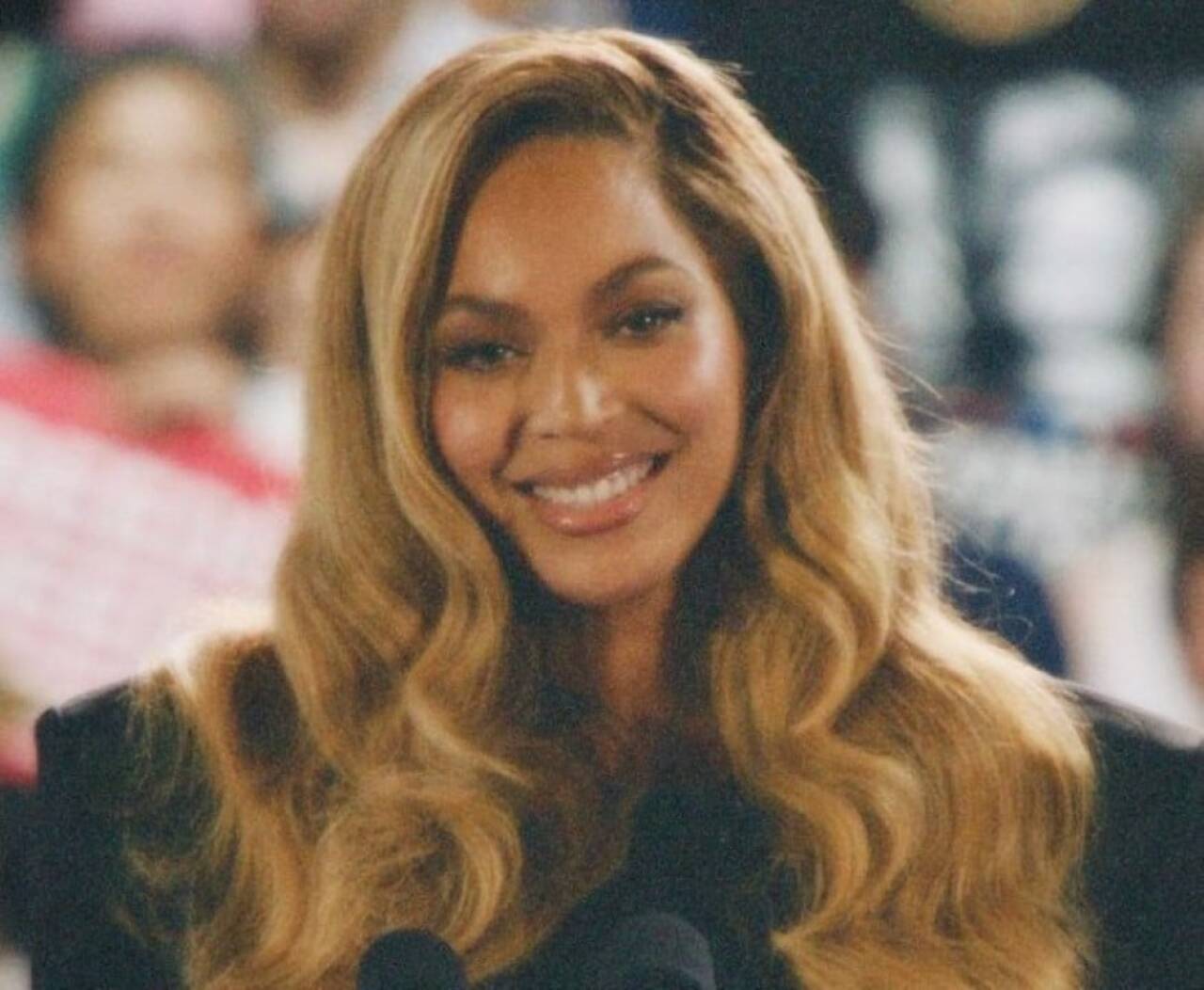
Another major figure, Beyoncé, also publicly endorsed Harris and has used her social media presence and appearances to encourage audiences, particularly young African Americans, to vote. Known for her activism supporting racial equality and female empowerment, Beyoncé sees Harris as a figure representing these values. Her involvement includes allowing her music to be used in Harris’s campaigns, appearing at rallies, and posting motivational messages encouraging political engagement as a means to achieve a fairer society.
Other prominent figures have also rallied around Kamala Harris. Jennifer Lopez, who has been involved in past campaigns, emphasizes the importance of Latin representation and immigrant rights, especially amid conservative rhetoric from some Republican leaders. Leonardo DiCaprio, meanwhile, highlights climate issues, a cause he is famously dedicated to, seeing Harris as an advocate for more effective policies against the environmental crisis.
Furthermore, influential figures such as Billie Eilish, Julia Roberts, and other young stars have promoted Harris’s campaign. These artists have millions of followers among young Americans and use their platforms to inform, encourage voting, and share pro-Democratic content. In a context where the youth vote is seen as decisive for the country’s future, this support is strategic and highly valued.
Donald Trump and his circle of conservative celebrities: Kanye West and Kid Rock
On the other hand, Donald Trump, representing the Republican Party, also has a group of influential celebrities promoting his return to the presidency. Among Trump’s most vocal supporters are Kanye West and Kid Rock. Kanye West, who entered politics by launching his own presidential run in 2020, has long expressed admiration for Trump. The rapper supports conservative policies, emphasizing traditional values and individual freedom, positions he considers threatened by Democratic agendas.
Kid Rock, known for his music and nationalistic stance, openly supports the Republican Party and Trump’s candidacy. Frequently active in pro-Trump events and rallies, Kid Rock aligns with a conservative vision on issues such as American citizens’ rights and government control. For him, Trump represents a freer policy with fewer restrictions, more in tune with the values of heartland America, a critical voter base for the Republican campaign.
Other celebrities and public figures also stand with Trump, including Jon Voight, Dennis Quaid, and Elon Musk. Each of them supports conservative values and defends policies they see as essential for maintaining order and freedom in the country. Although Musk’s endorsement has become more explicit recently, he is viewed as an influential figure in business and among innovation enthusiasts, potentially helping Trump attract voters from the economic and tech sectors.
Celebrity endorsements’ impact on public opinion: political strategy and digital reach
Celebrity support in American elections has spurred debates among experts and the public alike. The influence of these endorsements is undeniable, especially when it comes to younger voters who tend to follow and be inspired by their favorite public figures. Taylor Swift, for instance, has a massive youth following, and her political engagement is often seen as a way to educate and engage her fans on civic issues. Beyoncé also reaches a diverse audience, and her support for Harris helps mobilize not only female voters but also the African American community.
However, the real impact of celebrity endorsements on voting decisions remains a matter of discussion. Some argue that public figures’ endorsements can motivate people to vote or at least consider a candidate, though they acknowledge this influence may be limited, particularly among voters with firm political convictions. Others believe celebrity support can be decisive, especially when directed at undecided or less politically engaged voters.
With social media now a core part of the electoral process, celebrity endorsements are even more relevant. On Twitter, Instagram, and TikTok—where most of these artists are active—political messages can reach millions in minutes. This speed and reach of digital platforms provide significant visibility to candidates receiving these endorsements, generating conversations and discussions that spread rapidly.
Reactions and controversies: social media as a platform for debate and division
Celebrity support for candidates has sparked intense reactions. After Taylor Swift publicly declared her support for Harris, for example, Donald Trump spoke out, directly criticizing the singer, leading to a heated debate between Swift’s fans and Trump supporters. This kind of interaction on social media illustrates America’s political polarization and shows how celebrity involvement can intensify these divisions.
Kanye West’s statements also spark intense discussion. Known for his provocative style, West frequently voices controversial opinions that divide the public, eliciting both support and severe criticism. However, his presence in the political arena stimulates conversation and heightens engagement among people who might not otherwise be so politically involved.
These reactions largely reflect social media’s role as a platform for political debate. Platforms like Twitter and Instagram have become arenas where voters from both sides discuss viewpoints and advocate for their preferred candidates. Celebrity involvement amplifies these debates and, in many cases, contributes to greater awareness of the electoral process.
The historical influence of celebrities in American politics
Celebrity involvement in American politics is not a new phenomenon. Since the 1960s, when figures like Frank Sinatra supported President John F. Kennedy, to more contemporary times, with Oprah Winfrey openly endorsing Democratic candidates, celebrities have played a significant role in U.S. politics. This type of engagement has intensified over recent decades, with the social media era providing unprecedented reach for their voices.
In the 2020 elections, the weight of celebrity engagement was apparent as figures like LeBron James encouraged voter participation, and Dwayne “The Rock” Johnson expressed his support for Joe Biden. This type of endorsement has the power to reach voters who might otherwise be indifferent to the electoral process. Furthermore, by engaging in politics, celebrities bring social and cultural issues to the public discourse, helping amplify discussions and spotlight topics that might otherwise go unnoticed.
Consequences and the future of celebrity involvement in politics
As the 2024 elections draw closer, celebrity engagement is likely to intensify further. Other influential names from film, music, and sports are expected to share their views and encourage followers to participate in the elections. This involvement may continue to reflect the intersection between pop culture and politics, highlighting how civic engagement has become part of the public life of celebrities.
Looking ahead, celebrity support is expected to solidify as a staple in the American political landscape. Given the expanding reach of social media and the influence public figures can exert on their followers, this trend will likely strengthen, bringing new challenges and opportunities for candidates and the electoral process. This influence may not only mobilize voters but also shape a new era of political activism, where the participation of artists and public figures becomes even more common and impactful.