
Donald Trump is elected president of the United States for the second time

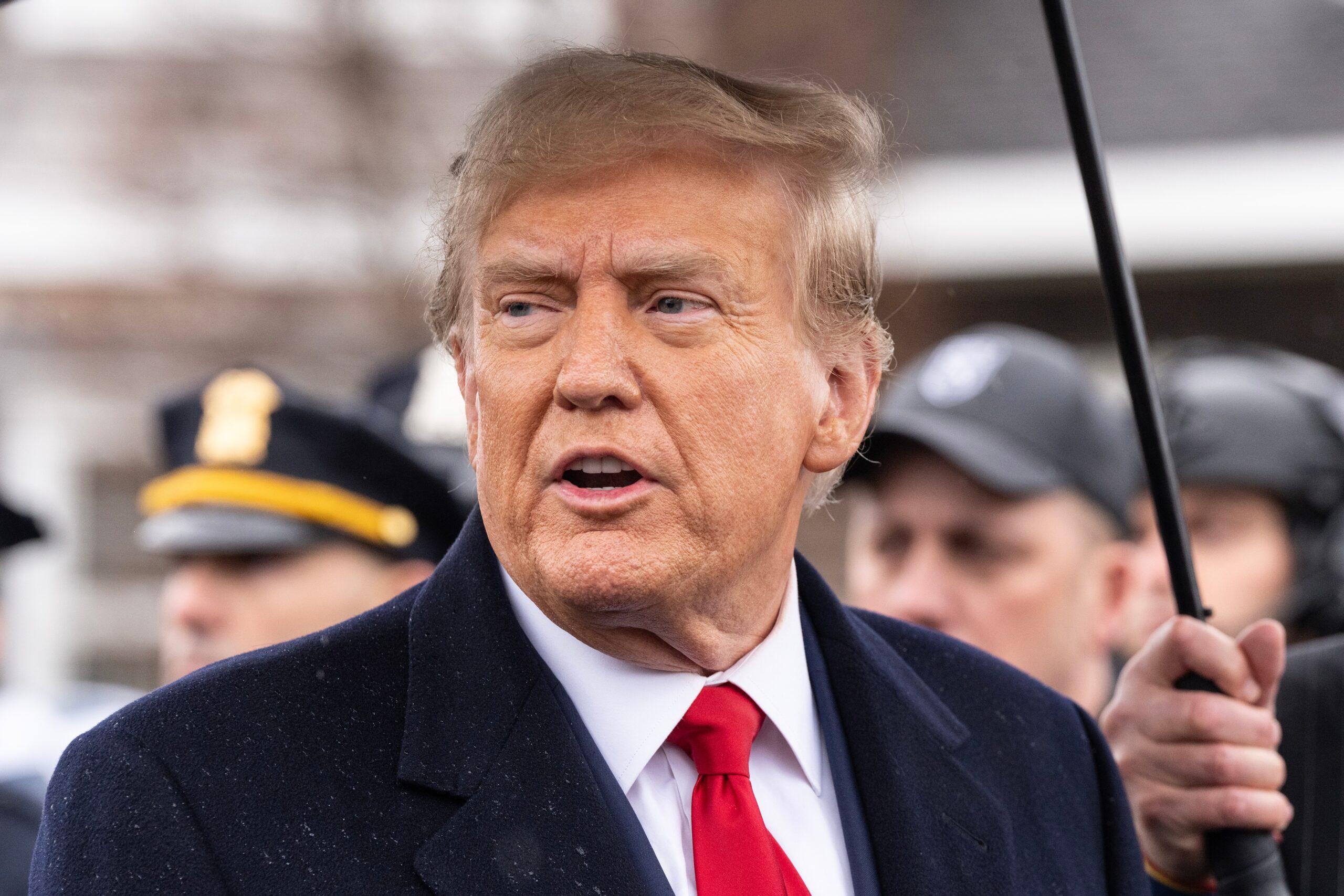
With a polarizing trajectory marked by intense support and opposition, Donald Trump has once again been elected President of the United States in one of the most fiercely contested and divisive elections in recent history. The 2024 election brought crucial national issues to the forefront, such as immigration, economy, public safety, and civil rights, ultimately culminating in Trump’s victory over Democratic candidate Kamala Harris. With 230 electoral delegates as of the early hours of November 6, 2024, Trump is nearing the 270 required to secure the presidency in a final count.
This election mobilized voters across the nation and reignited debates on crucial issues affecting American lives. Below, we explore the major milestones in Trump’s political trajectory, the challenges he has faced, and the defining moments of his political career, from his first presidency through to his latest success in the Electoral College in 2024.
Donald Trump’s rise in politics: from businessman to President of the United States
Before entering politics, Donald Trump was already a well-known figure across the United States. Born into a family with a real estate empire, he expanded the family business with high-profile investments in hotels and casinos. In 2004, he reached new heights of popularity by starring in the reality TV show “The Apprentice,” where his catchphrase, “You’re fired!” became iconic nationwide. This exposure helped Trump establish a public image as a successful businessman with broad appeal.
In 2015, Trump announced his presidential bid, vowing to disrupt the political system and run on a nationalist platform focused on “America First.” His outspoken style sharply contrasted with the traditional political tone, drawing a significant base of voters disillusioned with Washington’s establishment. In 2016, he won the election and became the 45th President of the United States.
Key moments from Trump’s first term
During his first term, Trump implemented several transformative measures that shaped his reputation as a leader of a new conservative right. Major highlights of his presidency include:
- Tax reform: In 2017, Trump signed a comprehensive tax reform bill that reduced tax rates for both individuals and businesses, aimed at boosting economic growth.
- Immigration policy: Trump took a hardline stance on illegal immigration, including the construction of a wall along the Mexico border, which became a symbol of his administration’s approach.
- Withdrawal from international agreements: Trump withdrew the United States from numerous international accords, including the Paris Agreement on climate change and the Iran nuclear deal, emphasizing a national sovereignty approach.
- COVID-19 pandemic: His handling of the pandemic sparked significant controversy, with Trump initially downplaying the virus’s impact. His polarizing approach intensified debates around public health measures and the economy, further dividing the nation.
These and other policies consolidated Trump’s conservative base but also sparked opposition among progressive and liberal sectors critical of his stance on human rights and environmental issues.
The assassination attempt and legal investigations: obstacles in Trump’s career
One of the most critical events in Trump’s public life was the assassination attempt during his first term. This widely publicized attack prompted heightened security measures and affected how he conducted his presidency. The incident bolstered support among his base and amplified his rhetoric against what he termed “domestic enemies.” This event also became symbolic for Trump’s supporters, who viewed him as someone willing to face threats head-on.
Another defining aspect of Trump’s career has been the series of legal investigations he faced, ranging from alleged tax fraud to potential foreign interference in the electoral process. These investigations divided public opinion: some saw them as necessary checks for transparency and legality, while others perceived them as attempts to undermine his policies and weaken his government.
The 2024 campaign: a polarizing comeback with a focus on economy and security
After leaving office in 2021, Trump remained actively engaged in the political landscape, strengthening his base and influencing the Republican Party. In 2023, he officially announced his candidacy for the 2024 election, with a platform focused on key national priorities. His messaging resonated widely, particularly in conservative states and industrial regions.
His main campaign promises included:
- Economic growth: Trump pledged to continue deregulation and tax cuts, aiming to create a favorable environment for entrepreneurship and job creation.
- Public safety: He advocated for stronger law enforcement and measures against organized crime, particularly on the borders, arguing these are vital for domestic security.
- Energy independence: Trump promised to reduce the United States’ reliance on foreign energy sources, promoting domestic resource exploration.
- Patriotism and traditional values: His rhetoric focused on defending national values and protecting American identity, themes that appealed to voters concerned about perceived cultural shifts.
A tightly contested election and the importance of key swing states
The 2024 election proved to be one of the most polarized in recent memory, with Kamala Harris representing the Democratic Party and championing progressive policies focused on social and environmental inclusion. The battle for delegates in the Electoral College was fierce, with each candidate fighting for crucial swing states. Among the most influential states were:
- Florida: With its diverse voter base, Florida became a pivotal battleground for both campaigns. Trump’s victory here proved essential for his path to the presidency.
- Ohio and Pennsylvania: Both Midwestern states saw Trump concentrating on promises to revitalize industry and strengthen the local economy, which strongly appealed to working-class voters.
- Texas: A traditionally conservative stronghold, Texas delivered a significant number of delegates for Trump, boosting his edge in the Electoral College.
The early morning vote count on November 6, 2024, revealed Trump leading with 230 delegates, while Kamala Harris had secured 187, leaving only a few states still tallying votes. This lead places Trump within reach of the 270-delegate threshold required for victory.
The Electoral College system and its impact on the results
In the United States, the Electoral College system determines presidential election outcomes, meaning each state holds a set number of delegates. Instead of relying solely on the popular vote, the election outcome hinges on the distribution of these delegates across states. This system makes certain key states essential for a candidate’s success, requiring a strategy that balances both popular votes and state victories.
Popular votes, therefore, do not solely determine the winner; rather, it’s the delegate distribution across states. This system is often debated, as candidates can occasionally win the popular vote but lose in the Electoral College if they fail to capture high-delegate states.
The reaction to Trump’s return to office
Trump’s projected victory in the 2024 election has triggered strong responses from both the American public and international leaders. Among his conservative supporters, his re-election is seen as a reaffirmation of traditional American values and a response to perceived threats to personal freedoms and the American way of life. Conversely, progressive groups express concerns over the potential impact of Trump’s administration on civil rights and environmental policies.
With Trump’s team outlining key priorities, the administration is set to focus on areas including:
- Economic reforms and reduced bureaucracy;
- Public safety measures and immigration control;
- Infrastructure and technology investments;
- Increased energy independence;
- Strengthening military forces.
These focus areas reflect the central promises of his campaign, indicating a potential administration marked by firm stances on domestic issues.





