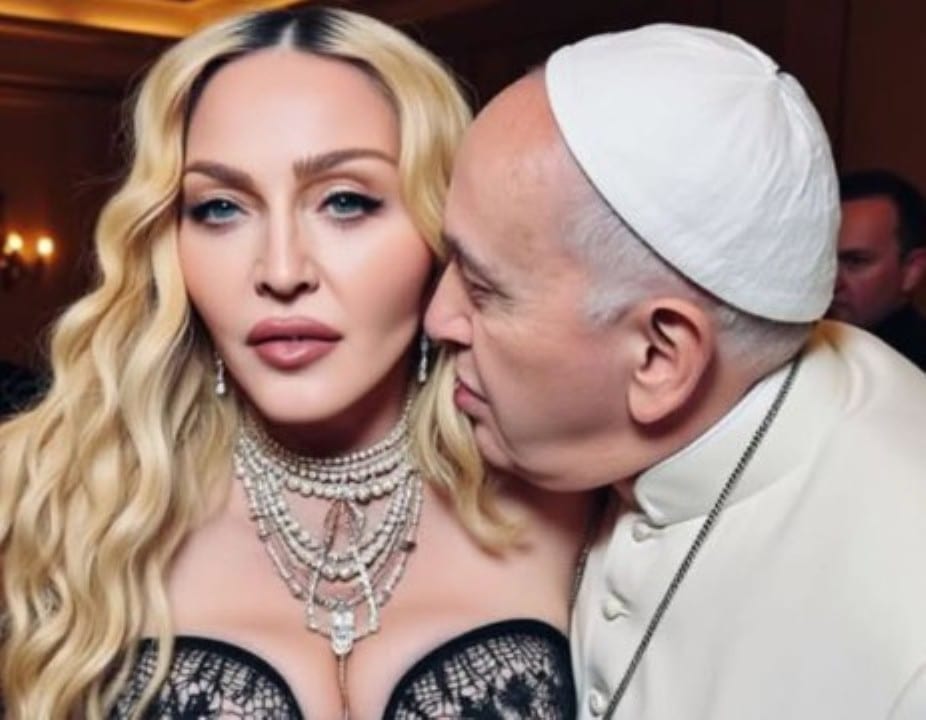
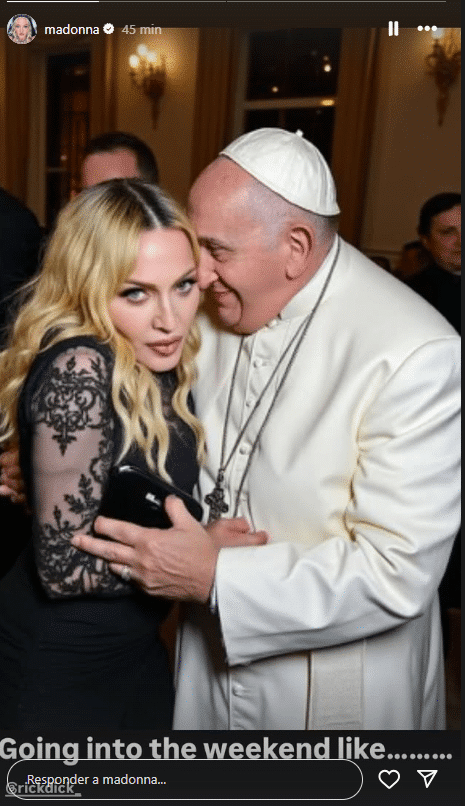
The impact of AI-generated images has been a constant presence in the digital landscape, but a recent episode involving singer Madonna and a digital representation of Pope Francis elevated the debate to a new level. The artist shared a surprising image of the Pontiff wearing a stylish white coat—something never seen in traditional Vatican attire—on her Instagram account.
The creation of the image was attributed to AI art generation tools like Midjourney, known for their ability to create realistic images from textual descriptions. The instant sharing of the image sparked a wave of comments, shares, and even confusion among platform users. Many initially believed the photo was real, raising an important question: to what extent can AI shape public perception?
Technology in focus: how AI redefined the concept of authenticity in the digital age
In recent years, artificial intelligence has established itself as a powerful tool in creating visual content. Neural networks can process information and generate convincing images, a technology widely used in entertainment, marketing, and journalism.
However, the episode involving Madonna and the image of Pope Francis exposed a concerning side of technological innovation: misinformation. The ability to create hyper-realistic images without the need for cameras raises ethical questions about the use of these tools, especially when there is no clear indication that the content was artificially generated.
The Vatican’s perspective and the response of religious leaders
Since the image went viral, Vatican officials were quick to reaffirm that it was a digital creation, dismissing any official association. The Catholic Church itself has expressed concerns about the use of AI, emphasizing the need for stricter regulation to prevent these technologies from being misused.
In a recent speech, Pope Francis warned about the dangers of technology when used without ethical responsibility. He highlighted that “technology must serve humanity and not the other way around,” stressing that technological advancement should always respect fundamental principles of human dignity.
The impact of AI on the public image of celebrities and religious figures
Madonna is no stranger to using technology to shape her public image. Throughout her career, the singer has consistently employed innovative elements to maintain her cultural relevance. However, using her personal account to share an AI-generated image of Pope Francis sparked an unexpected reaction.
Public figures face increasing challenges with the evolution of digital technology. From deepfakes to unauthorized digital representations, using AI to create content involving famous personalities raises questions about image rights and identity protection.
Similar cases involving AI and celebrities
Other episodes involving AI-generated images have also gained prominence recently:
- Tom Cruise deepfakes: A digital impersonator of the actor caused a sensation on TikTok.
- Tupac Shakur hologram: Presented at music concerts, sparking debate over using deceased figures for entertainment.
- Digital representations in films: Deceased actors brought back to the screen through advanced CGI and AI techniques.
The entertainment industry as a testing ground for emerging technologies
AI use is not limited to social media. The film and music industries have heavily invested in technologies to generate convincing digital performances. This trend raises concerns about ethical boundaries in using images, especially without prior consent.
Ethical issues and technological regulation
The Madonna-Pope Francis incident reignited discussions about regulation. Experts suggest specific legislation should be created to address the use of AI in generating images, particularly those involving public figures. Clear policies on copyright, consent, and legal responsibility are essential to mitigate abuse.
Social media interaction and public response
On social media, the reaction was immediate. The image went viral and sparked heated debates. Comments ranged from fascination with the realistic quality of the creation to concerns about content manipulation.
Platforms like Instagram, Twitter, and Facebook face the constant challenge of identifying and labeling AI-generated content. Although some social networks have already implemented verification tools, the speed at which false information spreads remains a significant threat.
The evolution of AI and its future implications
Experts assert that AI’s creative potential is still in its early stages. Recent innovations include text generators, advanced augmented reality systems, and virtual reality tools. These technological developments will shape the future of communication, culture, and entertainment.
The importance of digital literacy and media education
In an increasingly digitalized world, media education becomes essential. Teaching the public to identify manipulated content can help reduce misinformation spread. Schools and universities are beginning to include subjects related to critical analysis of digital information in their curricula.
Reflections on technology and society convergence
While artificial intelligence offers incredible opportunities for artistic creation and innovation, the episode involving Madonna and the AI-generated image of Pope Francis highlights the urgent need for an ethical and regulated approach to its use. Balancing technological progress with social responsibility will be crucial in the coming years.