
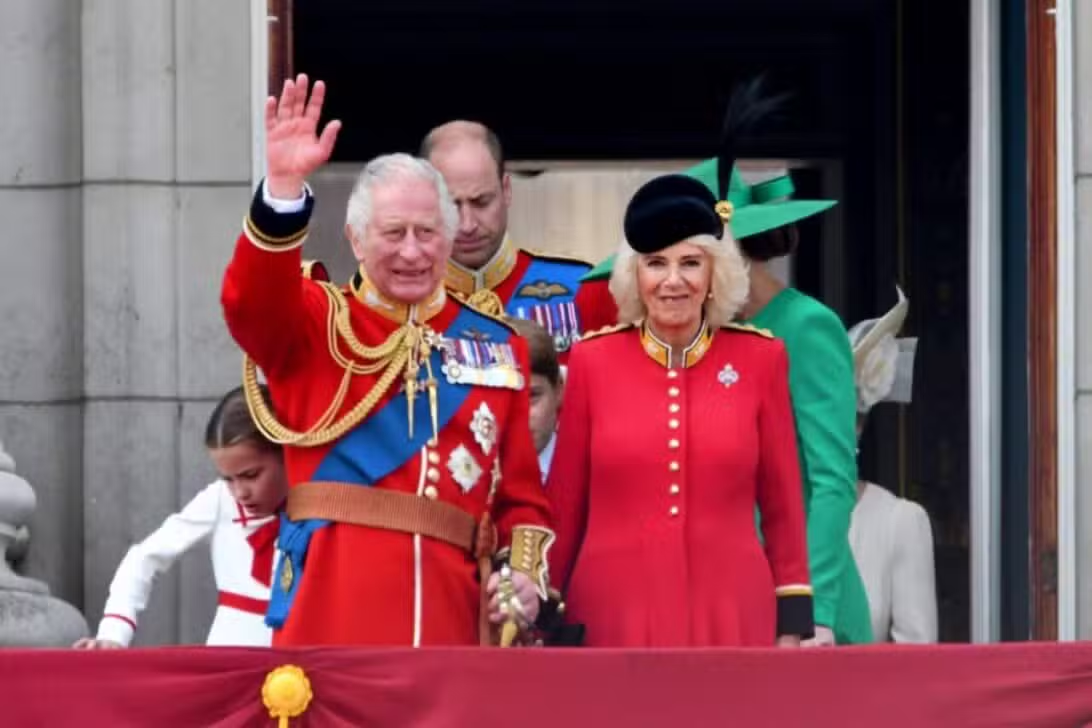
King Charles III, diagnosed with cancer at the beginning of 2024, continues to show positive progress in his treatment, as confirmed by official sources from Buckingham Palace. At 76 years old, the monarch balances his royal commitments with treatment sessions, demonstrating resilience and dedication to his responsibilities as head of state. Despite the challenges, Charles remains steadfast in his role, ensuring the continuity of traditions and the stability of the British monarchy.
The king’s health has been a public focus since the announcement of his diagnosis. Although specific details about the type and stage of the cancer have not been disclosed, sources confirm that the treatment results have been encouraging. Buckingham Palace assured that Charles III will continue his care cycle in 2025 while maintaining his public commitments, including previously scheduled international trips.
The news of the diagnosis came during a challenging year for the British monarchy, which faced other delicate situations involving members of the royal family. However, Charles’ example of strength and determination, combined with the support of his family and the public, has been crucial in overcoming this moment.
A reign marked by challenges and resilience
Since ascending to the throne in September 2022, following the death of Queen Elizabeth II, Charles III has faced numerous challenges. In addition to the political and economic context in the United Kingdom, the monarch also deals with health issues that require constant attention. The cancer diagnosis, made after a routine examination in February 2024, led to a successful surgery followed by regular treatment sessions.
Despite this, the king decided to maintain much of his public agenda, showcasing his commitment to the role he holds. Among the engagements carried out in 2024, his participation in the Highland Games in Braemar, Scotland, stands out, where he was applauded for his disposition and good humor. This event reaffirmed his strength and desire to remain present in significant moments for the Crown.
Royal family united during treatment
Queen Camilla has played a prominent role in supporting her husband during this period. Despite also facing health challenges in recent years, Camilla has been a constant presence by Charles’ side, attending public events and providing emotional support. The royal couple’s unity reflects a pillar of stability for the monarchy, especially in times of adversity.
Charles’ sons, Prince William and Prince Harry, also play important roles in strengthening the image of the monarchy. William and his wife, Kate Middleton, have taken on an increasingly prominent role in official commitments, while Harry, though distanced from royal duties, maintains a supportive relationship from afar.
Impact on the monarchy and public agenda
Even while facing health challenges, Charles III has ensured that his condition does not hinder the functioning of the monarchy. In October 2024, he made an official visit to Australia and Samoa, with adjustments to his schedule to accommodate treatment pauses. During this trip, the king demonstrated energy and enthusiasm, emphasizing the importance of international relations for the British Crown.
Additionally, the transparency with which the Palace has managed the king’s health situation has strengthened the monarchy’s relationship with the public. Messages of support and solidarity have poured in from various parts of the world, showing respect and admiration for Charles’ resilient stance.
Key milestones of 2024
- Diagnosis and start of treatment: The cancer diagnosis was announced in February 2024, leading to a successful initial surgery. Charles began regular treatment sessions shortly after the intervention.
- Public commitments maintained: The king resumed his public agenda in April, standing out in events such as the Highland Games and international visits.
- Family support: Queen Camilla and the king’s children played fundamental roles in supporting him, ensuring the continuity of royal duties.
- International repercussion: Charles’ stance generated widespread solidarity from the public and world leaders, reinforcing his importance as head of state.
Relevant data on cancer in old age
- According to experts, cancer is more common in older patients due to the accumulation of genetic mutations over a lifetime.
- In the United Kingdom, approximately 60% of cancer cases diagnosed each year occur in individuals over the age of 65.
- Advances in medicine, such as targeted therapies and immunotherapy, have significantly increased survival rates among elderly patients.
Curiosities about Charles III’s health
- Before the cancer diagnosis, Charles already faced health issues related to high blood pressure and joint pain, conditions typical of his age.
- The king is known for following an organic diet and practicing meditation, habits that may contribute to his recovery.
- Charles maintains a routine of light exercise, including daily walks on his Highgrove estate.
Solidarity reports on social media
The king’s health became one of the most discussed topics on social media throughout 2024. Posts on Twitter and Instagram praised Charles’ strength and dedication to his role as head of state, even during treatment. Hashtags such as #StrengthForCharles and #ResilientKing were widely used, showcasing public affection for the monarch.
Additionally, members of the royal family, such as Prince William, used their digital platforms to share updates on their father’s health, strengthening the bonds between the monarchy and the public.
Expectations for 2025
With treatment progressing positively, Charles is expected to continue balancing his royal duties with necessary medical care. The monarch has already expressed his desire to expand his public agenda next year, emphasizing causes such as climate change and food security.
The royal family, in turn, will continue to play a crucial role in supporting the king and representing the monarchy at national and international events.