
Historic wildfires in Los Angeles force evacuation of 155,000 people and cause five deaths

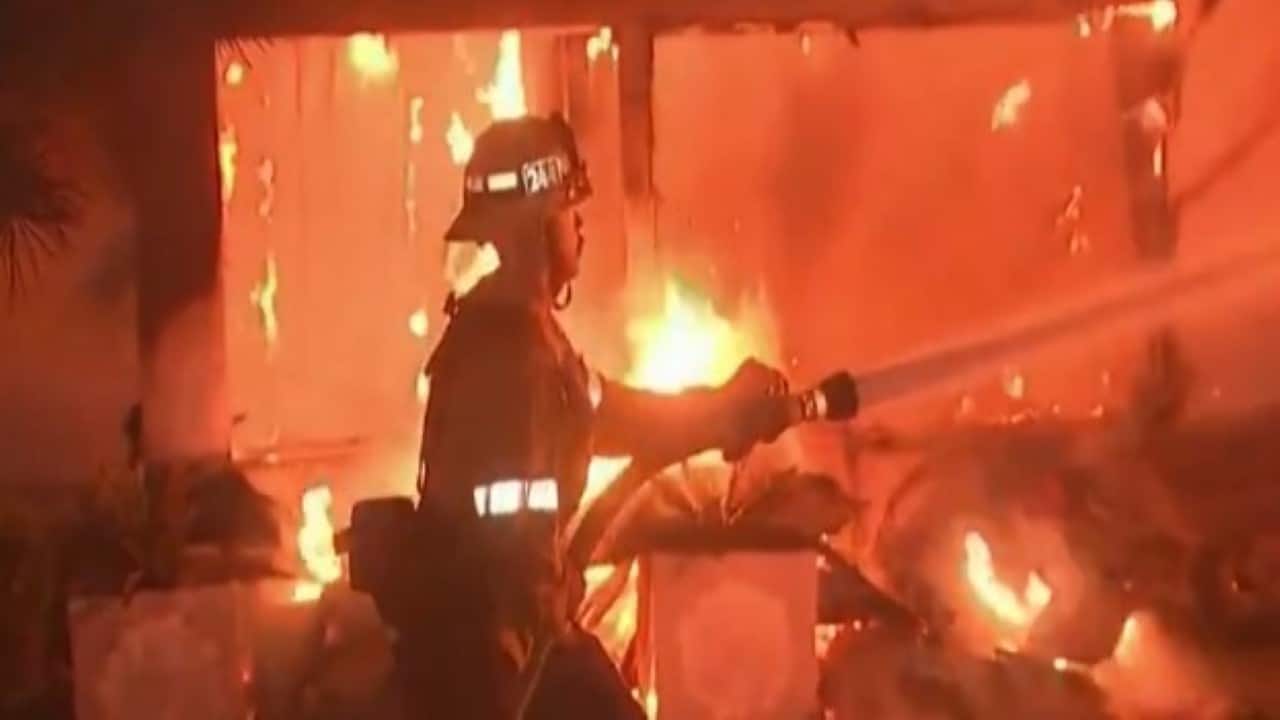
The wildfires that have ravaged Los Angeles since January 7, 2025, have created an unprecedented crisis in the region. The blazes, fueled by intense winds and dry vegetation, have claimed five lives and forced the evacuation of 155,000 residents, leaving thousands of homes and structures in ashes. The situation is worsened by power outages affecting approximately 400,000 households as emergency teams work tirelessly to contain the spreading flames.
Pacific Palisades, known for its coastal landscapes and luxury homes, has been the hardest hit, with fires consuming over 16,000 acres. Local authorities have described the situation as “unprecedented,” with wind gusts reaching up to 160 km/h hindering firefighting efforts. The severity is further heightened by the unusual timing, as such wildfires rarely occur during the winter season, typically a wetter period in the Northern Hemisphere.
In response to the disaster, President Joe Biden declared a major disaster in California. This declaration unlocks federal resources to combat the fire and assist victims, including specialized aircraft and equipment. The White House emphasized that efforts will be intensified to support thousands of displaced residents as they work to rebuild their lives.
Destruction in iconic and affluent areas
One of the most affected locations is Runyon Canyon Park in Hollywood Hills, where flames have spread rapidly. The park, a popular destination for tourists and locals, is situated near the iconic Hollywood sign, which has not been directly threatened by the fires. Helicopters dumping water and firefighting teams are battling against the fast-moving flames that are consuming vast areas of brush.
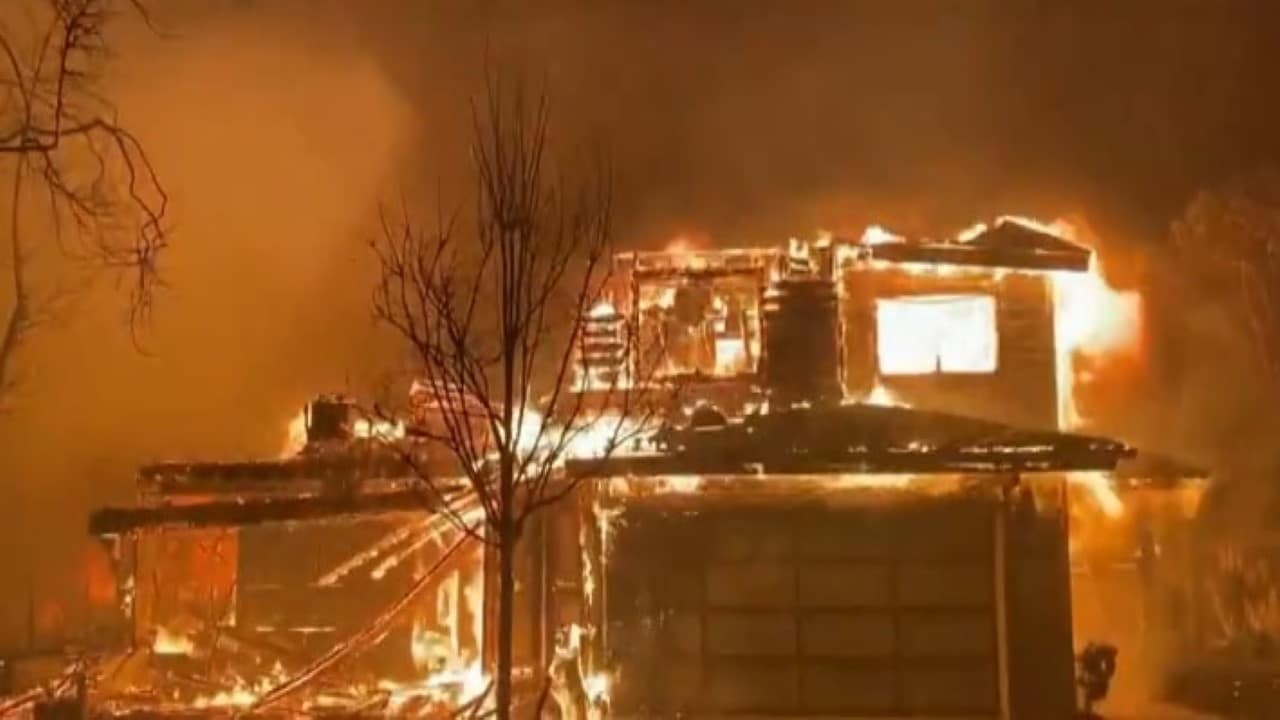
In Pacific Palisades, homes of celebrities and luxury properties have been completely destroyed. Celebrities like actor Mark Hamill reported evacuating their residences, describing the ordeal as “the worst fire since 1993.” The strong winds and challenging access to hillside areas have further complicated rescue and firefighting operations.
Emergency measures and firefighting efforts
Local and state authorities have deployed over 1,400 firefighters, supported by dozens of aircraft and specialized vehicles, to combat the wildfires. California Governor Gavin Newsom emphasized the urgency of immediate evacuations and urged residents to strictly follow authorities’ instructions. He also highlighted the critical importance of federal aid, including five tanker planes and 10 helicopters, which have been dispatched to assist in the efforts.
To date, more than 8,000 hectares have been burned, resulting in the destruction of approximately 1,900 structures, including schools, businesses, and homes. Among the destroyed landmarks are the Palisades Charter High School, which suffered significant damage, and the historic Will Rogers Ranch, which was completely consumed by the flames. Additionally, air quality in the region has reached hazardous levels, with toxic particles posing severe public health risks.
Economic and social impact
The destruction caused by the fires represents billions of dollars in damages. Losses include destroyed properties, interrupted business activities, and operational costs for firefighting and rescue teams. For residents, the challenges are immense: thousands are displaced, struggling to access temporary housing and basic services.
The social impacts are equally profound. Many families have lost everything, including cherished memories. The psychological trauma of these events is evident, with accounts of desperation as people fled, abandoning vehicles and belongings to escape the advancing flames. For the most vulnerable, such as the elderly and children, the consequences are even more devastating.
Causes and climate challenges
Experts point to climate change as a key factor exacerbating the severity of the wildfires. Winters in California are becoming drier, creating ideal conditions for fires to spread. Additionally, extreme wind gusts and urban expansion into high-risk areas contribute to the scale of the disaster.
The National Weather Service noted that wind gusts, ranging from 80 to 160 km/h, created “extreme fire conditions,” making rapid containment nearly impossible. The combination of climatic factors, including low humidity and dry vegetation, set the stage for the uncontrollable spread of the flames.
Alarming statistics about the fires
- Over 8,000 hectares burned since the fires began.
- 155,000 people evacuated across Los Angeles County.
- 1,900 structures destroyed, including homes, businesses, and schools.
- 400,000 households without power.
- Wind gusts reaching up to 160 km/h hinder firefighting efforts.
History of wildfires in California
California frequently experiences wildfires, but winter typically poses a lower risk due to favorable weather conditions. However, changing climate patterns have extended the wildfire season throughout the year.
The 2025 wildfires draw comparisons to past devastating events, such as the 2018 Camp Fire, which destroyed the town of Paradise and resulted in 85 deaths, and the Woolsey Fires that hit Malibu the same year. Despite lessons learned, the frequency and scale of wildfires continue to grow.
Federal and local support
The emergency declaration issued by President Biden allowed federal funds to be quickly deployed to combat the fires. Resources such as tanker planes and helicopters have been sent to the region. Governor Gavin Newsom has also mobilized the National Guard to assist with evacuations and security operations.
Local and international organizations are providing aid to victims, offering temporary shelters and psychological assistance. The Red Cross has established care centers for displaced residents, while volunteers are distributing food and supplies.
Future and recovery
While weather conditions are expected to improve in the coming days, full recovery for the region will take years. Reconstruction costs will be immense, and local communities will need ongoing support to rebuild. Authorities are discussing measures to prevent future disasters, including strengthening emergency infrastructure and implementing more effective forest management practices.
Safety tips for residents
- Strictly follow evacuation orders issued by local authorities.
- Keep important documents and essential items ready for evacuation.
- Avoid returning to affected areas without official clearance.
- Monitor air quality and wear appropriate masks to avoid inhaling toxic particles.
The 2025 wildfires highlight the urgent need for global action to combat climate change. Investments in renewable energy, natural resource management, and environmental education are essential to reduce the frequency and intensity of these disasters.


