The world’s most expensive and cheapest gasoline prices in 2025 converted to USD and local currencies Por Luís Henrique Costa
4 min de leitura
 |
Gasoline prices vary widely across the globe, reflecting not only production and distribution costs but also tax policies, subsidies, and each country’s economic conditions. In 2025, the difference between countries with the most expensive and cheapest gasoline has reached staggering levels. When converted to USD, these prices offer valuable insights into global fuel trends.
In Brazil, the average gasoline price remains among the highest in Latin America, influenced by taxes, refining costs, and a complex tax structure. Comparing this reality with other countries provides a broader perspective on the global fuel market.
Countries with the most expensive gasoline
Countries with the highest gasoline prices in 2025 are often characterized by high fuel taxes or complete reliance on imported oil. Below are some examples of the world’s priciest gasoline markets:
- Hong Kong: Gasoline in Hong Kong costs approximately $2.90 per liter, equivalent to R$ 17.40 at the current exchange rate of R$ 6 per USD. The city imposes high fuel taxes to discourage private vehicle use and promote public transportation.
- Netherlands: In Europe, the Netherlands has one of the highest prices, with gasoline costing around $2.50 per liter, or R$ 15.00. A significant portion of this price comes from taxation.
- Norway: As a major oil exporter, Norway’s high gasoline price of $2.40 per liter (R$ 14.40) stems from policies encouraging renewable energy and electric vehicle adoption.
- Iceland: Gasoline costs in Iceland average $2.35 per liter, or R$ 14.10. The remote location and high import costs contribute to the elevated prices.
- Denmark: The average price of $2.30 per liter (R$ 13.80) reflects a mix of high taxes and policies favoring sustainable energy solutions.
Countries with the cheapest gasoline
On the other hand, countries with abundant oil reserves or significant fuel subsidies boast the lowest prices. These include:
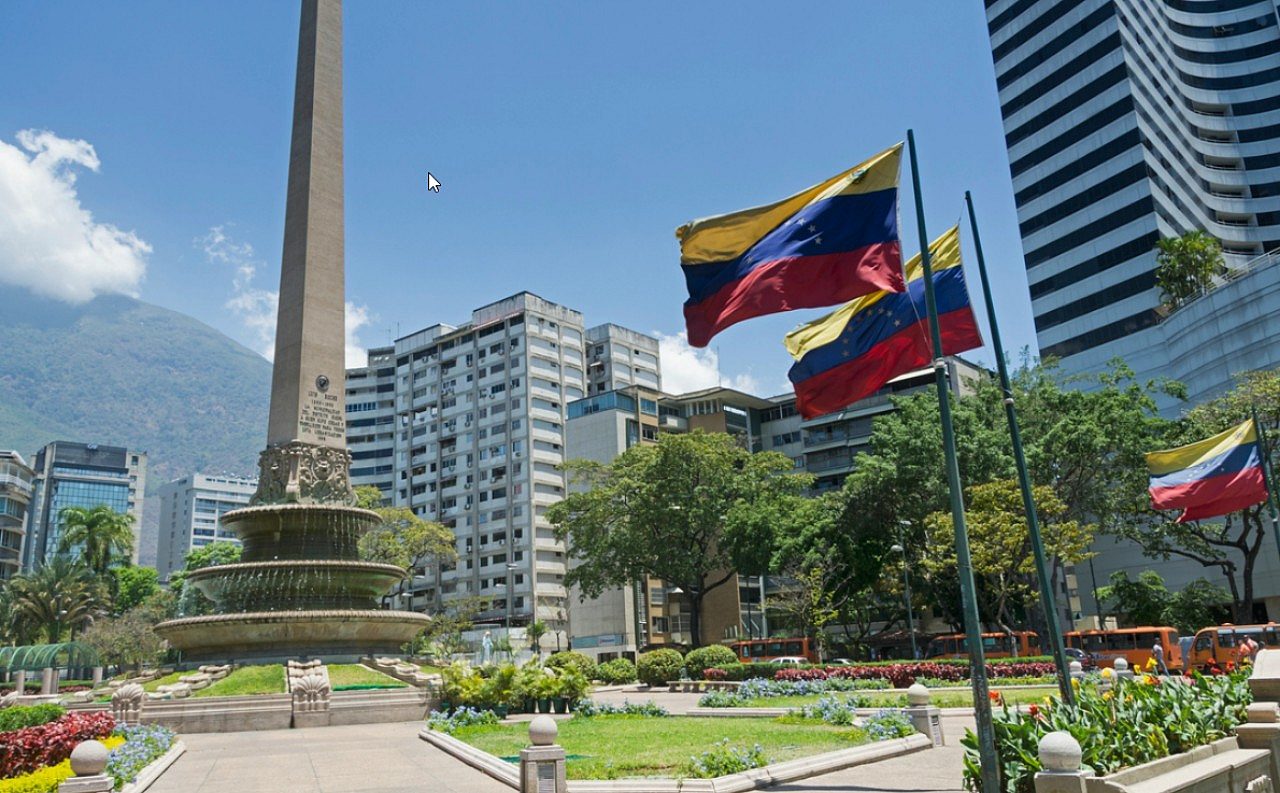
- Venezuela: Gasoline prices in Venezuela are symbolic, averaging $0.02 per liter or R$ 0.12. This price is heavily subsidized by the government.
- Iran: With an average cost of $0.05 per liter (R$ 0.30), Iran keeps fuel prices low as part of its economic policy.
- Algeria: Gasoline costs around $0.34 per liter, equivalent to R$ 2.04. Algeria’s proximity to oil reserves helps maintain these low prices.
- Kuwait: In one of the wealthiest oil-producing nations, gasoline costs $0.35 per liter (R$ 2.10) due to government subsidies.
- Nigeria: The price is approximately $0.40 per liter (R$ 2.40). Despite being a leading African oil producer, Nigeria struggles with infrastructure and logistical challenges.
Implications for Brazil
In Brazil, the average gasoline price is R$ 6.15 per liter in 2025. This cost reflects a combination of taxes, including ICMS, PIS/Cofins, and Cide, along with production and distribution expenses. Compared to other oil-producing nations, Brazil’s prices are relatively high, although still below those in parts of Europe.
For Brazilian consumers, gasoline prices significantly impact household budgets and transportation costs. Additionally, rising fuel prices contribute to inflation, affecting every sector of the economy.
Key factors influencing gasoline prices
Global and local factors contribute to gasoline pricing:
- Exchange rates: A stronger USD increases the cost of importing crude oil and refining materials.
- Taxes: Countries like Brazil and the Netherlands impose high taxes, driving up fuel costs.
- Production costs: Nations with domestic oil reserves often have lower gasoline prices due to reduced transportation costs.
- Government policies: Subsidies, such as those in Venezuela, drastically lower fuel prices for consumers.
- Global market trends: Crude oil prices on the international market directly impact domestic fuel costs.
Regional variations in Brazil
Gasoline prices within Brazil vary significantly by region, influenced by factors such as logistics, state taxes, and infrastructure. States like Acre, Amazonas, and Goiás face higher prices due to transportation challenges and elevated ICMS rates. Conversely, states like Paraíba and São Paulo benefit from lower prices due to improved infrastructure and local incentives.
Global fuel prices and their impact on commerce and tourism
Gasoline prices also shape international commerce and tourism. Countries with cheaper fuels, such as Kuwait and Venezuela, attract neighboring consumers, while high-cost destinations like Norway and Iceland face challenges in maintaining competitiveness and attracting tourists.
Projections for 2025
Experts predict that global gasoline prices will remain influenced by geopolitical tensions, currency fluctuations, and the ongoing transition to renewable energy sources. In Brazil, Petrobras’ automatic price adjustments will continue playing a pivotal role, while consumers adapt their budgets to cope with rising fuel costs.