

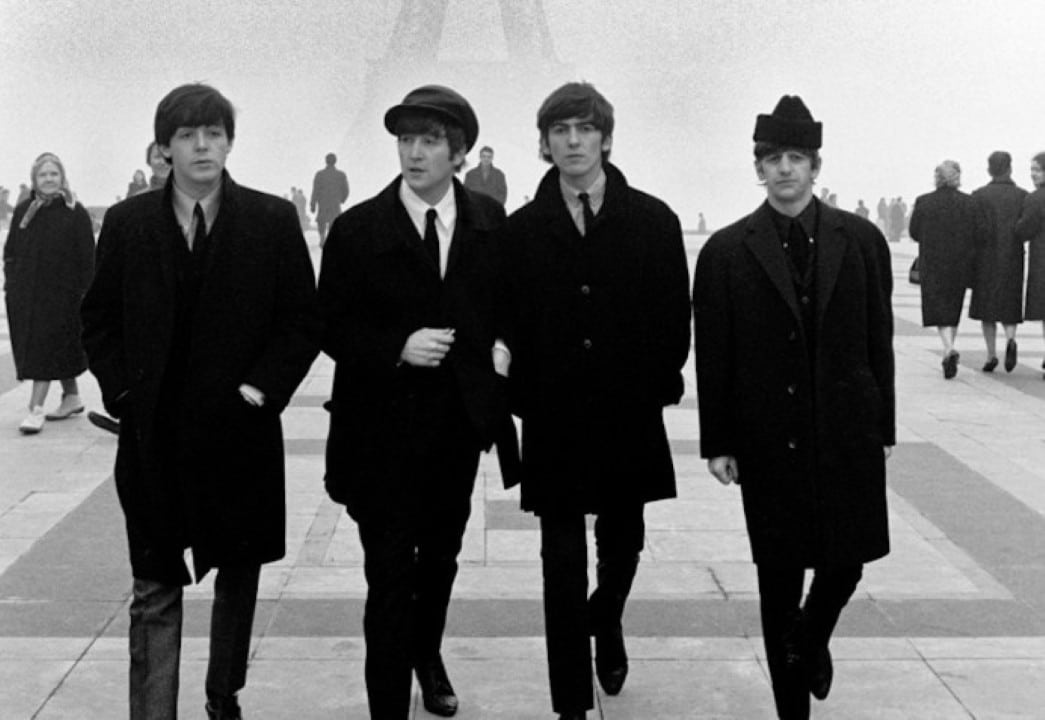
The Beatles, one of the greatest phenomena in global music history, continue to make waves even decades after their last official lineup. Recently, the band won the 2025 Grammy Award for Best Rock Performance with the music video of their song “Now and Then,” a remarkable achievement that also highlights technological advancements in the music industry. The innovation behind the project lies in the use of artificial intelligence (AI) to digitally reunite the band’s original members in the music video, including the two deceased members, John Lennon and George Harrison. The technology was used to bring the band back together, resulting in an audiovisual product that emulates the essence of the legendary quartet.
This award, considered a surprise for both fans and the music industry, marks the recognition of the integration of technology and music. “Now and Then,” a song originally recorded in the 1970s, was remixed and remastered to release the Beatles’ final never-before-heard track, completing the band’s musical cycle with the digital participation of Lennon and Harrison. The song had been left incomplete after Lennon’s assassination but was recently finished with the help of contemporary technologies, particularly artificial intelligence. This is one of the first times AI has been used to reunite a classic band lineup, bringing the music and legacy of deceased artists to new generations.
The Magic of Artificial Intelligence in Music
The use of artificial intelligence in the “Now and Then” music video is not only an innovation but a true revolution in the music market. The technology was applied to create images and sounds in a way never seen before, allowing fans to see John Lennon and George Harrison alongside Paul McCartney and Ringo Starr. Artificial intelligence, combined with animation and digital editing resources, was crucial in creating a hyper-realistic simulation of the deceased band members. This fusion of past and future resulted in a remarkable rock performance that captivated both long-time fans and newcomers.
The concept behind the music video and the song is a tribute to the longevity and impact of the Beatles, whose music continues to be celebrated worldwide. However, by incorporating artificial intelligence, the video also becomes an example of the potential of this technology to reimagine art, preserving memory while simultaneously opening up new creative pathways. The project was also acclaimed by critics for its ability to capture the band’s spirit, something many feared would be lost over time and with the deaths of the original members.
The Future of Music and Interaction with Technology
The 2025 Grammy Awards, held in February, marked a milestone for the Beatles but also signal a promising future for the music industry in relation to emerging technologies. In addition to AI, other digital tools like augmented reality and 3D models are increasingly being used to enhance the audience’s experience. With the popularization of these technologies, the line between the real and the digital is becoming increasingly blurred, allowing for new forms of artistic expression.
For fans, the “Now and Then” music video not only represents the recognition of an iconic band but also a way to connect with their music in a never-before-seen manner. AI offers a new way to bring back artists and performances that otherwise might have been lost to time. This type of innovation also opens doors for other possibilities in the music world, allowing future artists to create immersive experiences where the boundaries of physical reality can be surpassed.
How AI is Redefining the Music Market
The use of artificial intelligence in music videos and productions is changing the dynamics of the industry. Before the digital revolution, music videos and production were limited by a narrow range of possibilities, mainly due to physical constraints. Now, with the aid of AI, it is possible to create unique experiences and reimagine performances in ways that even the artists themselves might not have anticipated. The digital adaptation of the Beatles, for example, is not only a way to continue the band’s legacy but proof of how technology can allow current and future generations to experience music in entirely new ways.
The recognition of the Beatles’ performance at the awards ceremony also sheds light on the growing role of digital tools in contemporary music. In the coming years, it is expected that more artists will use AI to create new types of content. The ability to recreate the sounds and visuals of deceased artists also opens up the possibility of “reviving” other major names in music, an idea that has been discussed among experts and producers.
Reactions and Cultural Impact
The Beatles’ Grammy win sparked discussions about the cultural impact of this integration of classical music and emerging technologies. Many, including critics and fans, saw it as a respectful tribute but also a bold step into the future. While some argue that digital preservation of music icons is a way to keep history alive, others question the ethical boundaries of this approach.
Indeed, the use of AI to bring deceased artists back and create new forms of expression raises questions about the authenticity of art. However, it is undeniable that the way music and technology are intertwining has the potential to create immersive and meaningful experiences. How the market will handle this transformation, especially in terms of copyrights and data protection, is an ongoing debate.
Key Details from the Award
- Grammy Date: February 2, 2025.
- Category: Best Rock Performance.
- Song Awarded: “Now and Then” by The Beatles.
- Technology Used: Artificial intelligence to create a music video featuring the deceased members John Lennon and George Harrison.
- Cultural Impact: Innovation in the fusion of music and technology, preserving the legacy of deceased artists.
The win for Best Rock Performance was not only a recognition of the Beatles’ legacy but also of the creative and technical skill applied in producing “Now and Then.” The use of artificial intelligence to restore the band’s original lineup, even without the physical presence of Lennon and Harrison, marks a new chapter in music history, with the potential to influence future generations of musicians and fans.
The Beatles’ Legacy and the Digital Age
Although the Beatles were a band of the 60s and 70s, their impact continues to resonate strongly today. Rather than diminishing the memory of these musical giants, technology has proven to be an ally in preserving their legacy. The 2025 Grammy is just one example of how innovation can serve to reinforce the value of a band and their influence, while simultaneously opening doors for new experiences. The Beatles’ story, thus, merges with the new creative possibilities offered by artificial intelligence, continuing to inspire artists and listeners around the world.