
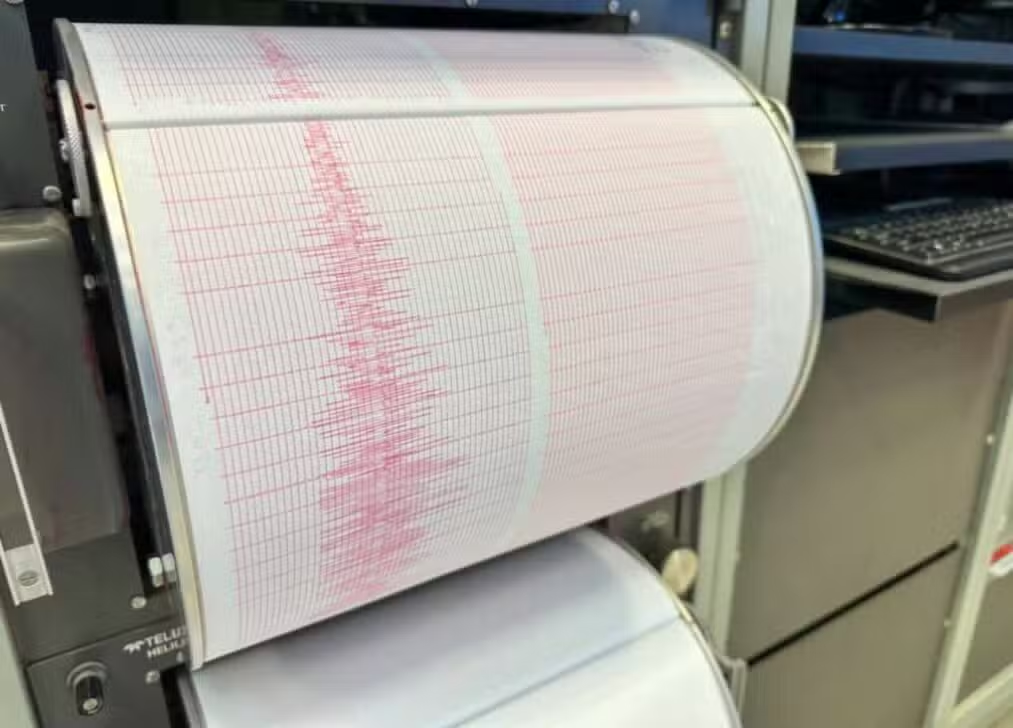
California experienced a series of five earthquakes within just 24 hours, highlighting the region’s vulnerability to significant seismic activity. The tremors occurred on Thursday, February 13, 2025, with two of them striking almost simultaneously in the San Francisco Bay Area, one of the most earthquake-prone regions on the U.S. West Coast. The most significant quakes registered magnitudes of 3.4 and 3.2, with epicenters near the city of Hayward, located south of San Francisco. The Hayward Fault, where the tremors occurred, is one of the most dangerous in the state, with a history of significant seismic events and an increasing likelihood of a major earthquake. Approximately 2,000 people reported feeling the tremors through the United States Geological Survey (USGS) “Did You Feel It?” tool, emphasizing the widespread impact on the local population.
Additional minor tremors were recorded near Petrolia in Northern California. While these earthquakes were considered low magnitude, the frequency of seismic events raises concerns about tectonic instability in the region. Local authorities are closely monitoring the situation and reinforcing earthquake preparedness advisories to residents.
San Francisco’s public transit system conducted inspections to ensure infrastructure integrity following the tremors. Minor delays were reported in the city’s subway service due to precautionary evaluations.
The Hayward Fault and Its History of Seismic Activity
The Hayward Fault is one of California’s most active geological faults, stretching approximately 74 miles (119 km) along the eastern San Francisco Bay Area. It is classified as a transform fault, characterized by horizontal displacement between the Pacific and North American tectonic plates. Due to its proximity to densely populated urban areas, a major earthquake on this fault could result in catastrophic damage.
The last significant earthquake along the Hayward Fault occurred on October 21, 1868, with an estimated magnitude of 6.8 to 7.0. The quake caused widespread destruction in cities like Oakland, Hayward, and parts of San Francisco. Since then, the fault has accumulated significant seismic stress, increasing the likelihood of a powerful future earthquake. Geologists warn that due to the extended period since the last major event, the fault is “ripe” for a large-scale quake, which could lead to severe structural damage and economic losses.
Seismologists predict that an earthquake exceeding magnitude 7.0 along the Hayward Fault could cause extensive destruction and affect millions of residents. The financial impact of such an event is projected to surpass $120 billion in damages, posing a significant threat to public safety and infrastructure.
Other Active Faults in California
California is located along the Pacific Ring of Fire, one of the most seismically active regions in the world. In addition to the Hayward Fault, several other faults pose a significant earthquake risk, including:
- San Andreas Fault: The most well-known fault in California, stretching approximately 746 miles (1,200 km). It was responsible for the devastating 1906 San Francisco earthquake, which registered a magnitude of 7.9 and destroyed much of the city.
- Calaveras Fault: Located east of the Hayward Fault, it has the potential to generate powerful earthquakes.
- Garlock Fault: Extending along the Mojave Desert, it has been studied due to its potential interaction with the San Andreas Fault.
- Elsinore Fault: Located in Southern California, this fault poses a significant risk to highly populated areas.
The Importance of Earthquake Preparedness in California
Given the frequency of earthquakes in the region, authorities emphasize the necessity of preparedness and public awareness for seismic emergencies. Key recommendations for residents include:
- Assemble an emergency kit: Having essential supplies such as water, non-perishable food, flashlights, and medications is crucial in the event of a major earthquake.
- Develop an evacuation plan: Establishing safe exit routes from homes and designated family meeting points in emergencies.
- Secure heavy furniture and objects: Reducing the risk of falling items that could cause injuries during a quake.
- Participate in earthquake drills: Programs like The Great ShakeOut help communities practice proper earthquake response techniques.
Earthquake Statistics and Impact in California
- California experiences approximately 10,000 earthquakes annually, though most are low magnitude.
- The USGS estimates a 72% probability of a magnitude 6.7 or higher earthquake occurring in the San Francisco Bay Area within the next 30 years.
- The 1994 Northridge earthquake (magnitude 6.7) caused over $44 billion in damages and resulted in 57 fatalities.
- The 1989 Loma Prieta earthquake (magnitude 6.9) led to the collapse of highways and structures throughout the Bay Area.
Chronology of Major Earthquakes in California
- 1906: The San Francisco earthquake (magnitude 7.9) devastated much of the city.
- 1933: The Long Beach earthquake (magnitude 6.4) severely damaged schools and public infrastructure.
- 1971: The San Fernando earthquake (magnitude 6.6) caused hospital and dam collapses.
- 1989: The Loma Prieta earthquake (magnitude 6.9) resulted in significant damage across the San Francisco Bay Area.
- 1994: The Northridge earthquake (magnitude 6.7) caused extensive structural destruction and loss of life.
Interesting Facts About Earthquakes and the Hayward Fault
- The Hayward Fault moves approximately 5 mm per year due to ongoing tectonic activity.
- Since 1868, the fault has accumulated enough seismic energy to trigger a major earthquake.
- California experiences more earthquakes than any other U.S. state, except for Alaska.
- The Brace+Bolt Program provides funding for homeowners to retrofit their properties against seismic risks, reducing structural collapse during strong tremors.
Key Highlights from Recent Seismic Activity in California
- Five earthquakes in a single day demonstrate the instability of the Hayward Fault.
- Over 2,000 residents reported feeling the tremors in the San Francisco Bay Area.
- Additional minor quakes were recorded near Petrolia, in Northern California.
- Scientists warn that a major earthquake could strike in the coming years, due to increasing tectonic stress in the Earth’s crust.
The Future of Seismic Activity in California
Geologists continue monitoring fault movements and seismic activity across California. Advances in technology have enabled early-warning systems to reduce the impact of future earthquakes. However, the unpredictable nature of seismic events underscores the ongoing need for preparation. Residents are encouraged to stay informed and adopt preventive measures to mitigate damage and risk in the event of a high-magnitude earthquake.