Munich Attack: Mother and Daughter Die After Vehicle Assault That Injured 39
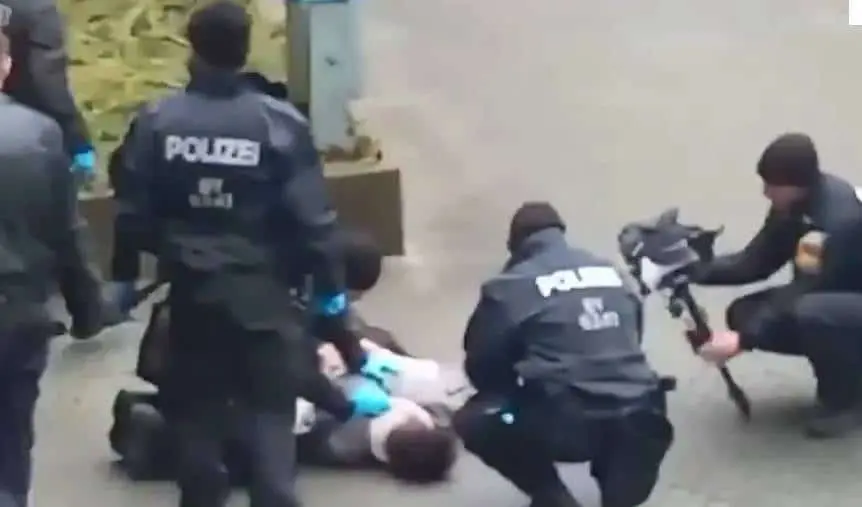
A shocking attack has left Munich in mourning this week. On Thursday (15th), a man identified as Farhad Noori (24 years old) deliberately drove a vehicle into a crowd during a union demonstration on Seidlstrasse, in the city center. The assault injured 39 people, some critically, and claimed the lives of Amel (37 years old) and her daughter Hafsa (2 years old). Both were taken to the hospital but succumbed to their injuries. The perpetrator was arrested at the scene, and investigations indicate a religious-extremist motivation behind the attack.
The woman and her daughter had joined a Verdi labor union protest demanding higher wages for public sector workers. As Amel pushed Hafsa’s stroller, the car sped directly into them. The impact was devastating, and witnesses described the scene as heartbreaking. Doctors at Harlaching and Hauner hospitals fought to save the victims, but their injuries were too severe.
Amel’s husband (38 years old) expressed deep grief and pain, recalling his wife’s commitment to social justice, solidarity, and equality. She actively fought for workers’ rights and against xenophobia, values she wished to pass on to her daughter. The family emphasized that they do not want Amel and Hafsa’s deaths to be politicized, instead hoping their memory serves as a symbol of resistance and advocacy.
The Attack and Police Investigations
The assault occurred at 10:31 AM, when the perpetrator, driving a Mini Cooper, broke through a police barricade and accelerated toward demonstrators. Forensic analysis confirmed that the vehicle was traveling at 50 km/h at the moment of impact. Images from the scene show a shattered baby stroller behind the vehicle. The attacker, a rejected asylum seeker, reportedly shouted “Allahu Akbar” upon being detained, reinforcing suspicions of an extremist motive.
Mais sobre o assunto: Driver plows into union protest in Munich, injuring 28, including children

Authorities confirmed the case is being treated as terrorism, with the investigation now led by the German Federal Prosecutor General. Bavaria’s Interior Minister Joachim Herrmann (CSU) condemned the attack, stating that Farhad Noori could face life imprisonment. The government has since reinforced security measures in the region to prevent further incidents.
The Victim’s Life and the Attack’s Impact
Amel was born in Algeria and moved to Germany as a child. She studied environmental protection and worked as an engineer in the city’s drainage department. Described by friends and family as a compassionate and engaged advocate, she was deeply involved in social movements and human rights causes. The attack cruelly took her life and that of Hafsa, a joyful and energetic child.
The tragedy has left Munich deeply shaken. Seidlstrasse, where the attack occurred, has become a memorial site, with mourners placing flowers and candles to honor the victims. Many view the incident as a stark reminder of the growing threat of extremism and the need for heightened security.
What Is Known About the Perpetrator and His Motives
Farhad Noori was a rejected asylum seeker under supervision by German immigration authorities, though he had not yet been deported. Reports indicate that he had a history of radicalization, with social media activity reflecting extremist ideology.
During his interrogation, Farhad allegedly stated that he “wanted to send everyone to paradise”, a remark that alarmed investigators. Sources suggest he became radicalized after struggling to integrate into Germany, developing resentment toward Western policies. The case has reignited debates on immigration policies and national security, prompting officials to intensify monitoring of potential threats.
Key Numbers from the Attack
Veja Também



- Confirmed deaths: 2 (Amel and Hafsa).
- Injured victims: 39, including 12 in critical condition.
- Vehicle speed at impact: 50 km/h.
- Car weight: 1.3 tons.
- Distance to nearest hospital: 1,500 meters (Hauner Children’s Hospital).
Hospitals across the city continue treating the injured, while the local government provides psychological and financial support to affected families.
Saiba mais: German market assailant, a former psychiatrist, receives life sentence for December 2024 attack
Political Reactions and Security Measures
The attack sparked immediate reactions from German politicians. Interior Minister Joachim Herrmann called for stricter immigration policies, advocating for the immediate deportation of asylum seekers with extremist ties. Meanwhile, progressive leaders warned against generalizing refugees, urging a more balanced discussion.
The Bavarian government announced emergency security measures, including:
- Increased police patrols in crowded areas.
- Social media monitoring to detect extremist activities.
- Reviewing asylum applications to identify high-risk individuals.
These steps aim to prevent future attacks and enhance public safety.
Similar Cases in Europe and the Rise of Urban Terrorism
Vehicle-ramming attacks have become a recurring threat in Europe. In recent years, cars and trucks have increasingly been used as weapons by extremists, causing serious concern among security agencies.
- Nice, France (2016): A truck attack on Bastille Day killed 86 people.
- Berlin, Germany (2016): A terrorist drove a truck into a Christmas market, killing 12 people.
- London, UK (2017): A van struck pedestrians on Westminster Bridge, resulting in 5 fatalities.
These incidents highlight the growing trend of vehicle-based attacks, which are easy to execute yet devastatingly effective.
No mesmo tema: Multiple injuries reported after vehicle crashes into crowd in Modena, Italy
How Does Society Respond to Such Tragedies?
In the wake of attacks like Munich’s, concerns about urban terrorism and public safety intensify. Experts argue that, in addition to law enforcement measures, it is essential to invest in social integration programs to prevent marginalization and radicalization among asylum seekers and immigrants.
The German public remains deeply affected by this attack. Amel and Hafsa’s case serves as a tragic example of how extremism targets innocent civilians, reinforcing the urgency of broader discussions on security and multicultural coexistence.