Historic trial of 7 accused in Maradona’s death begins in Argentina with sentences up to 25 years

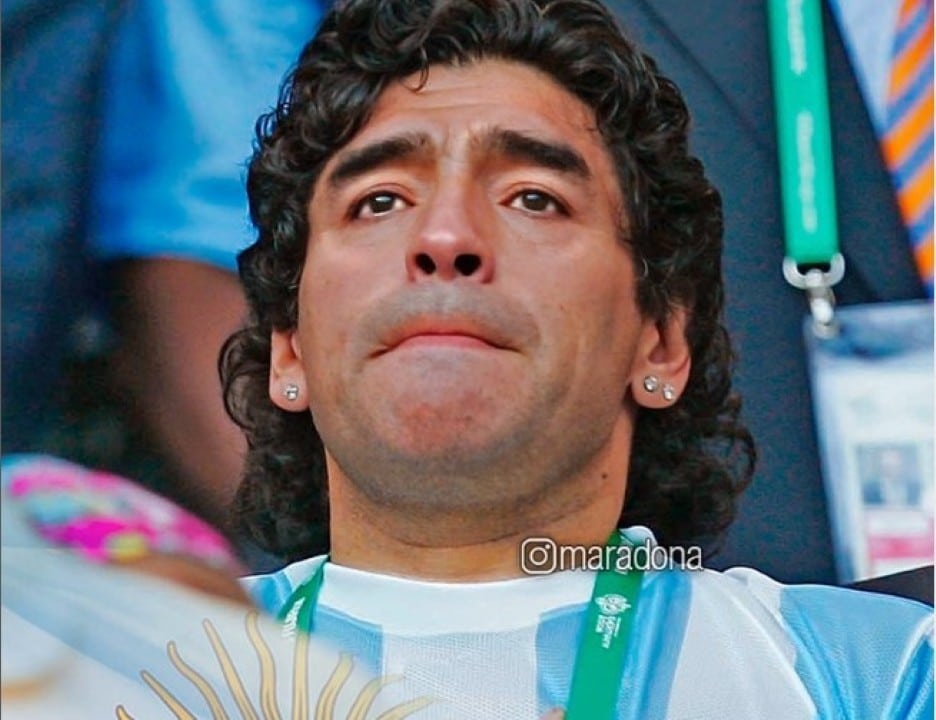
More than four years after the death of Diego Armando Maradona, one of the greatest icons in world football, Argentina kicked off a trial on Tuesday, March 11, that promises to reignite debates and emotions surrounding the legacy of the legendary player. Seven healthcare professionals, tasked with caring for the former athlete in his final days, face charges of “simple homicide with eventual intent,” a crime that could lead to prison sentences ranging from 8 to 25 years. The proceedings, held at the San Isidro Court, about 30 kilometers from Buenos Aires, bring together 120 witnesses and expose details of a home care arrangement marred by failures, omissions, and controversies. Veronica Ojeda, Maradona’s ex-girlfriend, was seen crying at the courthouse entrance, while fans displayed banners demanding “justice for God.”
The case dates back to November 25, 2020, when Maradona passed away at 60 due to respiratory failure and cardiac arrest while recovering from surgery to remove a subdural hematoma. A report commissioned by the Argentine Justice Department concluded that the care provided to the former player was “inadequate, deficient, and reckless,” suggesting he was “abandoned to his fate” by those responsible for his well-being. Prosecutors argue that his death could have been prevented, pointing to a scenario of negligence that stunned the nation and the world.
Family members, including daughters Dalma and Jana Maradona, are closely following the trial, which is expected to run until July. An eighth defendant, nurse Dahiana Gisela Madrid, opted for a jury trial and will face a separate process starting in July. As the hearings unfold, public pressure mounts, with fans demanding answers for the tragic end of an icon who led Argentina to the 1986 World Cup title.
What led to Maradona’s trial
A death shrouded in controversy
Diego Maradona battled multiple health issues in his final years, including kidney, liver, heart, and neurological problems, alongside a long history of alcohol and drug dependency. In November 2020, he underwent surgery to address a subdural hematoma caused by a domestic accident. After the procedure, he refused to remain in a clinic and was transferred to a house in Tigre, in the Buenos Aires metropolitan area, under a home care regimen. Prosecutors assert that this decision marked the beginning of a series of errors that led to his demise.
The investigation uncovered that the house lacked the minimum resources needed to meet Maradona’s needs. Essential medical equipment was absent, and the care provided was deemed insufficient. A 2021 report, prepared by a panel of 22 experts at the request of the Justice Department, determined that the former player endured “12 hours of agony” before his death, in conditions described as “outrageous.” Prosecutors claim the medical team was aware of the risks but neglected proper care, prioritizing personal interests over the patient’s health.
The accused and the evidence at stake
Seven professionals are on trial: Leopoldo Luque, Maradona’s neurosurgeon and personal doctor; Agustina Cosachov, psychiatrist; Carlos Ángel Díaz, psychologist; Nancy Forlini, medical coordinator of the health plan; Mariano Perroni, nursing coordinator; Pedro Pablo Di Spagna, general practitioner; and Ricardo Omar Almirón, nurse. The prosecution relies on text messages and audio exchanges among the defendants, revealing statements like “he’s going to die” and “this will end badly,” as well as efforts to alter the medical record to evade accountability.
The messages also suggest the accused feared losing their income if the family intervened. Evidence indicates they conspired to keep relatives at bay, worried that Maradona might be taken to a rehabilitation center, ending their home care contract. Five lawsuits were filed: four by Maradona’s recognized children—Dalma, Gianinna, Jana, Diego Fernando, and Diego Júnior—and one by his sisters, reinforcing the claim that negligence was a key factor in the fatal outcome.
Details of the process and its developments
Trial timeline and key witnesses
The trial began on March 11 and is expected to span approximately four months, with sessions that promise to shed new light on the case. A total of 120 witnesses have been summoned, including family members like ex-wife Claudia Villafañe and attorney Matías Morla, as well as doctors who treated Maradona over the years, experts, journalists, and close friends. The testimonies are anticipated to clarify the conditions of the former player’s final days and the conduct of the involved professionals.
Here’s the projected timeline for the proceedings:
- March 11: Start of hearings with the presentation of initial evidence.
- March to June: Witness testimonies and analysis of documents and audio.
- July: Conclusion of sessions and referral for judicial decision.
Nurse Dahiana Gisela Madrid, facing a separate trial, had a preliminary hearing in October last year. Her jury trial is scheduled for July, following the conclusion of the main case.
Defense and prosecution arguments
The prosecution asserts that the accused were fully aware of Maradona’s life-threatening condition but failed to act to prevent his death. They highlight serious oversights, such as not referring him to a rehabilitation facility post-surgery, and emphasize that the care was makeshift and inadequate. Attorney Mario Baudry, representing Maradona’s son Diego Fernando, insists the evidence is clear: “Knowing he would die, they did nothing to stop it.”
The defense, however, is likely to employ varied strategies. Leopoldo Luque may argue his responsibility was limited to the surgical procedure, while the psychiatrist and psychologist might claim they only managed mental health. Nurses could justify their actions by saying they followed orders and that Maradona was a challenging patient, resistant to treatment. A toxicology report showing no alcohol or illegal drugs at the time of death will also be debated, as audio suggests such substances were provided to manage his behavior as a chemical dependent.
The case’s impact in Argentina and beyond
Public pressure for justice
Maradona’s death shook Argentina, where he is revered as a national symbol. Fans flooded the streets to bid him farewell in 2020, and collective grief turned to outrage as investigation details emerged. On the trial’s first day, supporters gathered outside the courthouse with banners and chants demanding justice. The phrase “Justice for God” on flags reflects the cultural weight of the star, whose influence extends far beyond sports.
This public outcry could sway the case’s trajectory. As hearings progress and evidence is presented, the belief that his death was preventable may heighten calls for punishment. For many Argentinians, holding someone accountable is a way to honor the legacy of an idol who defined generations with his on-field brilliance.
A mausoleum for the eternal number 10
After the trial, Maradona’s remains will be moved from a private cemetery in Buenos Aires to the “M10 Memorial,” a mausoleum under construction in the tourist-friendly Puerto Madero area. Spanning a thousand square meters, the site is designed to host up to one million visitors annually, with free entry for Argentinians. Dalma Maradona, one of his daughters, voiced the family’s wish: “We want our father to be close to the people’s love.”
The memorial underscores Maradona’s mythic status in Argentina, where even a Maradonian Church celebrates his “magic” in football. Set to be completed in the coming months, aligning with the trial’s end, it is poised to become a pilgrimage site for fans worldwide.
Facts about the case and Maradona’s legacy
The trial is not just about justice but also about Maradona’s enduring impact. Here are some notable details surrounding the case:
- Maradona single-handedly won the 1986 World Cup, scoring iconic goals like the “Hand of God” and a legendary dribble against England.
- Despite no illegal drugs in the toxicology report, his chemical dependency worsened his health in later years.
- The investigation uncovered forged signatures and tampered medical records, hinting at attempts to cover up mistakes.
- His cult following includes statues, murals, and tattoos across Argentina, symbols of his immortality in popular imagination.
With over 90 caps for Argentina and appearances in four World Cups, the number 10 left a legacy that transcends the pitch, now facing the weight of a judicial outcome.