
Queen Camilla sends support to Gisèle Pelicot: letter highlights fight against sexual abuse

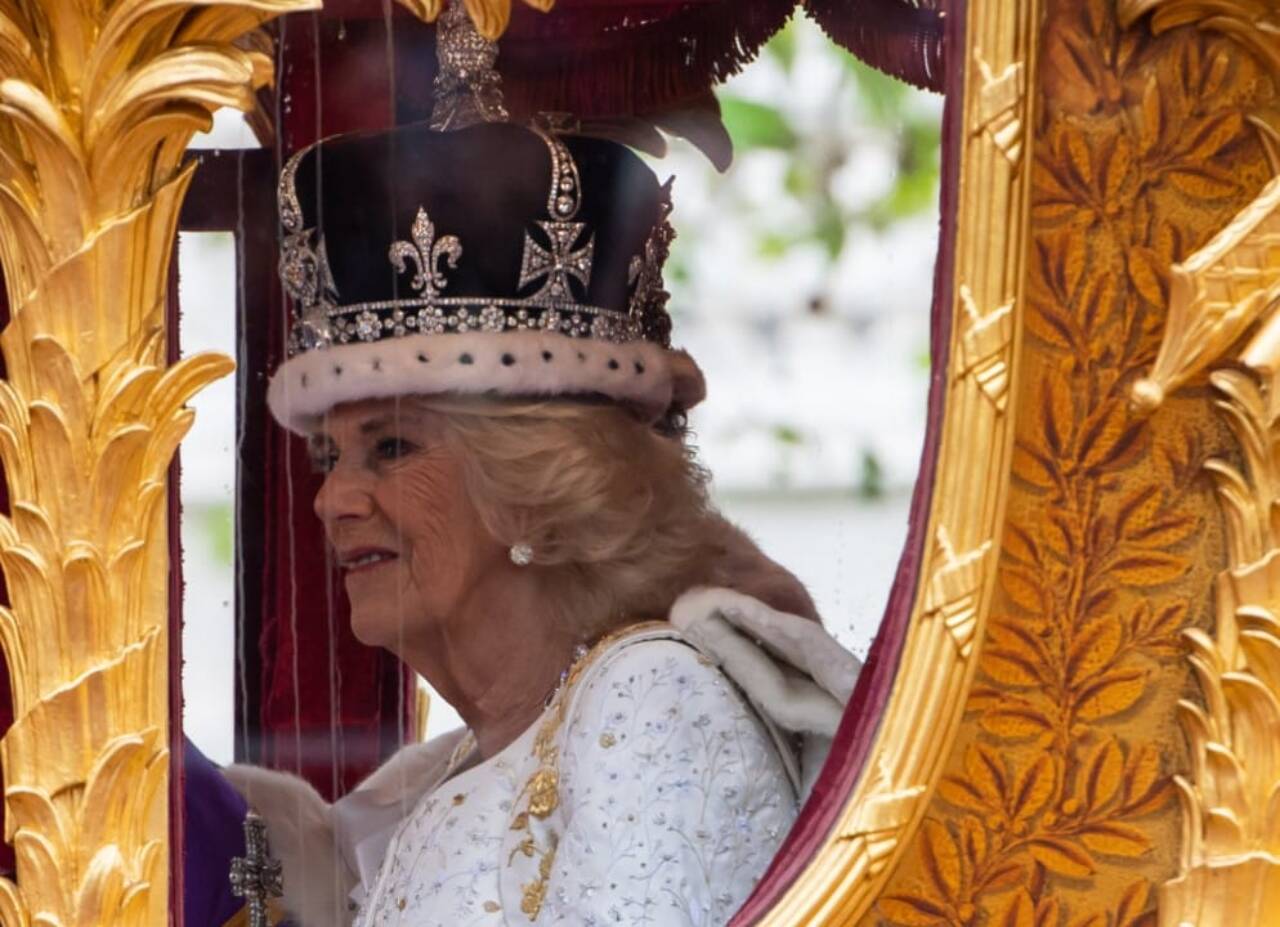
Queen Camilla, wife of King Charles III, made a striking gesture by writing a personal letter to Gisèle Pelicot, a French woman who endured nearly a decade of sexual abuse. The move, confirmed by Buckingham Palace, reflects the queen’s longstanding commitment to supporting victims of sexual and domestic violence, a cause she has championed for years. Deeply moved by Gisèle’s story, Camilla sought to acknowledge the survivor’s extraordinary courage and dignity, transforming her personal tragedy into a global symbol of resilience. The case, deemed the largest rape trial in French history, captured worldwide attention and underscored the fight against gender-based violence. While the letter’s contents remain confidential per royal protocol, the act reinforces the British monarchy’s stance on addressing pressing social issues.
Known for her advocacy through charities aiding women, Camilla was “extremely affected” by Gisèle’s ordeal, according to royal aides. The Frenchwoman, abused by her ex-husband Dominique Pelicot and dozens of men he recruited, chose to forgo anonymity to expose the crimes and shift the narrative around shame and guilt. The trial, spanning September to December 2024, ended with Dominique’s 20-year prison sentence, but Gisèle’s story resonates far beyond the verdict, reaching even the British royal family.
A Buckingham Palace official noted that the letter stemmed from Camilla’s personal resolve to offer support from the highest level. Gisèle Pelicot’s case not only shocked the world but also sparked discussions on justice, sexual violence, and the role of victims in driving social change. Camilla’s action thus serves as a public nod to the strength of a woman who refused to be silenced.
A voice against silence: the impact of Gisèle Pelicot
Gisèle Pelicot has emerged as a feminist icon after unveiling the horrors she endured for nearly a decade. Drugged by her ex-husband Dominique Pelicot, she suffered over 200 recorded rapes by him and men he solicited online. The case surfaced in 2020 when French authorities uncovered the footage, leading to a landmark trial that gripped public attention. Gisèle’s bold choice to reject anonymity—a rarity in sexual violence cases—was a deliberate move to shift shame from victims to perpetrators, as she stated during the proceedings. Her stance fueled rallies outside the courtroom and messages of solidarity worldwide, including Queen Camilla’s letter.
The months-long trial exposed the brutality of the crimes and the scale of Dominique’s scheme. Alongside him, 50 other men faced justice, receiving sentences based on their involvement. Gisèle’s bravery in publicly confronting her abusers not only secured justice but also illuminated the prevalence of sexual abuse and the need for cultural and legal shifts. Her story reached Buckingham Palace, where Camilla, profoundly touched, penned a letter that, per Gisèle’s lawyer Antoine Camus, left the Frenchwoman “surprised, moved, and quite proud” to see her fight acknowledged by royalty.
Gisèle’s influence has crossed borders, inspiring other victims to speak out and challenging stigmas tied to sexual violence. Queen Camilla’s support, from a prominent public figure, amplifies this message, showing how the monarchy can engage with humanitarian causes. Though the letter’s details remain private, the gesture underscores the importance of giving survivors a voice and recognizing their resilience in the face of extreme adversity.
Camilla and victim advocacy: a long-standing commitment
For years, Queen Camilla has dedicated herself to supporting victims of domestic and sexual violence, a mission that gained prominence when she became queen consort in 2022 following Elizabeth II’s death. Her efforts include patronages with charities like SafeLives, which focuses on abuse prevention, and visits to shelters for vulnerable women. Gisèle Pelicot’s case, with its tragic yet inspiring dimensions, struck a chord with Camilla, who saw in the Frenchwoman a model of resilience worth honoring. Royal aides report that the queen was “deeply shaken” by the reported suffering, prompting her to write the letter on her own initiative.
Beyond charity work, Camilla has publicly emphasized the need to combat gender-based violence. In official engagements, she often highlights support for victims and the push for systemic change. Her response to Gisèle’s case mirrors this stance, portraying a monarchy more attuned to contemporary issues. Buckingham Palace, in confirming the letter, stressed Camilla’s desire to express solidarity on a personal level, aligning with her history of social engagement.
Camilla’s involvement also sheds light on the monarchy’s role in humanitarian causes. As Charles III navigates health challenges, including a 2024 cancer diagnosis, the queen consort steps into a more active role, leveraging her platform to spotlight issues like Gisèle’s abuses. This move, though discreet in specifics, signals an effort to align the British monarchy with progressive values and victim support.
Timeline of the Gisèle Pelicot case: from discovery to conviction
The Gisèle Pelicot case follows a timeline that reveals the severity of the crimes and the pursuit of justice. Key events include:
- 2020: French authorities uncover abuse videos in Dominique Pelicot’s possession, launching an investigation that exposes the crimes’ scope.
- September 2024: The trial begins in Avignon, involving Dominique and 50 co-defendants in France’s largest rape case.
- December 2024: Dominique Pelicot is sentenced to 20 years; other defendants receive varying penalties.
- March 2025: Queen Camilla sends a support letter to Gisèle, confirmed by Buckingham Palace on March 13.
The probe started after Dominique’s arrest for filming women without consent in a supermarket, leading to the discovery of explicit files on his computer. The footage showed Gisèle unconscious, subjected to systematic abuse over years. The trial drew global attention, with women gathering in support outside the courthouse.
Global resonance: how Gisèle reshaped the narrative on sexual violence
Gisèle Pelicot’s story transcended France, sparking a solidarity movement across continents. Her choice to expose the abuses publicly ignited vigils and protests against sexual violence, fueled by her courage. Time magazine named her one of the Women of the Year for 2025, recognizing her global impact as an icon against gender-based violence. Queen Camilla’s letter marks another milestone in this reach, showing how Gisèle’s fight touched even the upper echelons of society.
Feminist groups note that the case exposed systemic failures in victim protection and aggressor punishment. In France, the trial reignited debates on stricter laws against sexual abuse and the use of substances to incapacitate victims. The visibility Gisèle brought, bolstered by Camilla’s support, may pressure legislative and cultural shifts worldwide.
The impact is also evident in statistics. In France, an estimated one in ten women has faced sexual violence in their lifetime, yet many remain silent due to fear or shame. Gisèle’s refusal of anonymity challenges this pattern, encouraging other victims to seek justice—an effect Camilla’s gesture helps reinforce.
Trial details: Dominique Pelicot’s crimes
Dominique Pelicot orchestrated a cruel scheme spanning nearly a decade. Using sedatives to render Gisèle unconscious, he subjected her to repeated abuse, often filmed, and recruited dozens of men online to join in. Police identified over 200 recorded incidents involving 51 defendants tried alongside Dominique. The videos, uncovered in 2020, formed the trial’s core evidence, revealing the extent of violence Gisèle endured while incapacitated.
In court, Dominique admitted to the acts, though some co-defendants claimed ignorance of her lack of consent. The court dismissed these defenses, issuing sentences from a few years to decades in prison. The December 2024 verdict was hailed as a partial victory but raised questions about penalty adequacy given the crimes’ severity.
Gisèle, testifying, said she wanted shame to “change sides,” a phrase that became her fight’s emblem. Her strength in confronting her abusers, now acknowledged by Camilla, underscores the need to amplify victims’ voices and hold perpetrators accountable, no matter how long justice takes.
The monarchy’s role in social causes: Camilla and beyond
Camilla’s letter to Gisèle Pelicot fits a broader pattern of British royal engagement with social issues. Since becoming queen consort, Camilla has ramped up efforts in literacy, health, and gender violence, often stepping in as Charles III faces health struggles. Her initiative with Gisèle reflects a monarchy more active and linked to real-world challenges.
Other royals also champion humanitarian causes. Prince William focuses on mental health and sustainability, while Kate Middleton prioritizes early childhood and education. Camilla’s gesture stands out for its personal nature and symbolic weight in supporting an abuse survivor amid global attention.
This move comes amid efforts to refresh the monarchy’s image. With Charles III ascending in 2022 and battling cancer since 2024, Camilla emerges as a key figure, using her role to elevate voices like Gisèle’s. It hints at a monarchy balancing tradition with relevance in a changing world.
Key facts about Gisèle Pelicot and her fight
Here are defining elements of Gisèle’s journey and impact:
- Rejected anonymity to expose her abusers and shift perceptions of victims.
- Faced over 50 aggressors in a historic French trial.
- Inspired protests and earned a 2025 Time Women of the Year title.
- Received Queen Camilla’s support letter in March 2025.
These points highlight how Gisèle turned personal tragedy into a collective movement, influencing even the British monarchy.
A symbol of resistance: Gisèle Pelicot’s legacy
At 72, Gisèle Pelicot is more than a survivor; she’s a beacon for women facing sexual violence. Her choice to speak openly about her abuses defies the silence imposed on victims and pressures judicial and social systems to act. Queen Camilla’s recognition, from one of the world’s oldest monarchies, bolsters this legacy, showing Gisèle’s message reached unexpected heights. The letter, private in content but public in meaning, unites a French victim with a British queen in a shared cause.
The case also prompts questions about abuse prevention. In France, the use of drugs to incapacitate victims, as with Gisèle, exposed gaps needing tighter oversight and punishment. Her story already shapes discussions elsewhere, with activists pushing for reforms to safeguard women and hold aggressors accountable. Camilla’s support adds weight to this fight, suggesting royalty can aid social change.
As Gisèle moves forward post-trial, her influence grows. The queen’s letter is just one chapter in a story that began with pain but became a call for justice and dignity, resonating far beyond France’s borders.





