Toyota Yaris Cross Hits Market in July with 26.3 km/l and Prices from $25,000


The Brazilian automotive market is on the verge of a shake-up with the upcoming launch of the Toyota Yaris Cross, a compact SUV blending fuel efficiency, cutting-edge technology, and an affordable price tag. Set to arrive at dealerships in July 2025, the vehicle will roll off the assembly line in Sorocaba, São Paulo, with a starting price of approximately $25,000 (equivalent to R$ 130,000), reaching up to $35,000 in higher trims. Featuring a hybrid flex powertrain, the Yaris Cross achieves an impressive 26.3 km/l on gasoline, positioning it as one of the most fuel-efficient options in its class. This performance, paired with a sleek, practical design, underscores Toyota’s strategy to meet the rising demand for sustainable vehicles in Brazil while solidifying its dominance in the hybrid niche.
Toyota is backing the project with a $330 million investment (R$ 1.7 billion) in its São Paulo facility, part of a broader $2.1 billion commitment through 2030. The Yaris Cross will go head-to-head with established players like the Volkswagen T-Cross, Hyundai Creta, and Chevrolet Tracker, leveraging its hybrid flex system—capable of running on ethanol or gasoline—as a key differentiator. Beyond efficiency, the SUV boasts a 471-liter trunk, outpacing many rivals, and comes equipped with the Toyota Safety Sense suite, offering advanced driver assistance features. Local production ensures tailored adjustments for Brazilian roads and faster technical support, elements likely to resonate with buyers.
Anticipation is building, fueled by favorable market trends. In 2024, SUVs accounted for roughly 40% of Brazil’s vehicle sales, with over 2 million units registered overall. Electrified models, including hybrids, saw a 30% sales surge compared to the previous year, driven by escalating fuel costs and eco-conscious consumers. Against this backdrop, the Yaris Cross emerges as a timely contender, marrying Toyota’s reputation for reliability with innovations that cater to Brazil’s evolving automotive landscape.
Sleek design turns heads
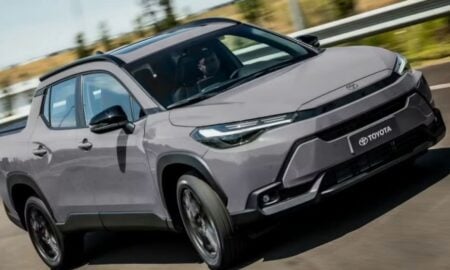
The Yaris Cross rolls into Brazil with a design that echoes Toyota’s global aesthetic, fine-tuned for local tastes. Its front fascia features a bold trapezoidal grille flanked by sharp LED headlights, exuding both elegance and assertiveness. At the rear, “U”-shaped taillights linked by a horizontal bar create a striking visual signature, especially after dark. Measuring 4.31 meters long, 1.77 meters wide, and 1.61 meters tall, the SUV strikes a compact profile ideal for urban navigation without skimping on interior roominess.
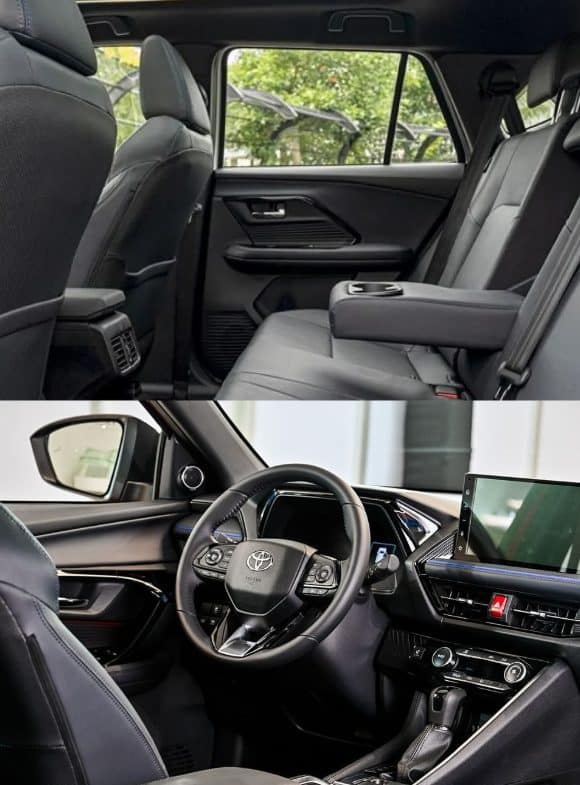
Inside, the model impresses with quality and utility. A 2.62-meter wheelbase ensures comfortable seating for five, while the 471-liter trunk outshines competitors like the Chevrolet Tracker (393 liters) and Volkswagen T-Cross (420 liters). A floating 10.1-inch multimedia display, supporting wireless Android Auto and Apple CarPlay, anchors the cabin, complemented by a 7-inch partially digital instrument cluster. Features like automatic air conditioning, wireless charging, and an electronic parking brake with Auto Hold elevate everyday convenience.
Tailored for Brazil’s roads, the suspension balances stability and comfort, adeptly handling bumps and potholes. With a ground clearance of about 170 mm, the Yaris Cross tackles urban obstacles with ease, though its front-wheel-drive setup keeps it geared toward city and highway use rather than rugged terrain. This focus on local adaptation highlights Toyota’s intent to deliver a vehicle that fits seamlessly into Brazilian life.
Fuel efficiency sets the bar
Delivering economy and eco-friendliness is where the Yaris Cross shines. Its hybrid flex system pairs a 1.5-liter Atkinson-cycle engine with an electric motor, producing a combined 115 horsepower. In urban settings, it achieves 26.3 km/l on gasoline, thanks to its ability to switch to electric mode at low speeds. Running on ethanol, efficiency dips slightly but remains strong, a boon in a country where biofuel is widely available and often cheaper.
For buyers preferring a conventional setup, Toyota offers a 1.5-liter naturally aspirated flex engine, pumping out 110 horsepower and 14.9 kgfm of torque, mated to a CVT transmission simulating seven gears. This configuration prioritizes smooth driving and fuel savings, suitable for daily commutes. Built on the DNGA platform—a lightweight derivative of Toyota’s global architecture—the SUV optimizes efficiency across all variants, cementing its status as a segment leader.
Lower emissions further bolster its appeal. As fossil fuel reliance persists amid growing environmental awareness, the Yaris Cross aligns with global sustainability trends. In 2024, electrified vehicles made up 5% of Brazil’s sales, a notable rise reflecting broader acceptance of hybrid technology among drivers.
Technology raises the stakes
Outfitting the Yaris Cross with advanced features is central to Toyota’s game plan. The Toyota Safety Sense package, standard on higher trims, includes autonomous emergency braking, lane departure alerts with active correction, and adaptive cruise control. These systems elevate safety standards, offering peace of mind in tricky situations. All versions come with six airbags, stability and traction control, and hill-start assist, while top models add blind-spot monitoring and rear cross-traffic alerts.
Connectivity shines through as well. The 10.1-inch multimedia screen delivers seamless smartphone integration, and the 7-inch digital cluster provides clear, driver-focused data. Enhanced sound insulation minimizes outside noise, creating a quiet cabin that enhances comfort, particularly on longer drives. These touches reflect Toyota’s push to offer a premium experience in an entry-level compact SUV.
Strengths that could drive sales
The Yaris Cross enters the market with a compelling mix of advantages, setting it apart in the crowded compact SUV segment. Here are its standout features:
- Best-in-class fuel economy at 26.3 km/l in the hybrid version.
- 471-liter trunk, surpassing category averages.
- Toyota Safety Sense suite with cutting-edge driver aids.
- Modern styling with LED headlights and premium interior finishes.
- Local production in Sorocaba, ensuring competitive pricing and support.
These attributes make the SUV a strong pick for buyers prioritizing efficiency, tech, and practicality.
Competition demands bold moves
Navigating Brazil’s compact SUV segment is no easy feat. The Volkswagen T-Cross topped charts in 2024 with over 70,000 units sold, thanks to its versatility and extensive dealer network. The Hyundai Creta, recently refreshed, draws buyers with bold styling and powerful engines, while the Chevrolet Tracker wins with aggressive pricing and solid performance. The Honda HR-V retains loyal fans with its focus on comfort and dependability.
Unlike rivals like the Nissan Kicks and Jeep Renegade, which lean on combustion engines or mild hybrids, the Yaris Cross boasts a full hybrid system, powering the wheels with electricity in more scenarios. Priced between $25,000 and $35,000, it targets mid- and top-tier trims of competitors. Toyota aims to sell 40,000 units in its first year, capturing about 10% of a market projected to exceed 700,000 sales in 2025.
To hit that mark, the company is rolling out marketing campaigns spotlighting fuel efficiency, special financing deals, and affordable maintenance packages. These perks could tip the scales for cost-conscious buyers in a landscape of pricey fuel and heightened eco-awareness.
Toyota’s electrification journey
Toyota’s hybrid legacy kicked off in 1997 with the Prius, a global milestone that later reached Brazil. The 2019 debut of the Corolla Hybrid—the world’s first hybrid flex sedan—marked a turning point locally, followed by the Corolla Cross Hybrid in 2020, expanding sustainable SUV options. Now, the Yaris Cross brings this tech to a more accessible segment, broadening Toyota’s electrified lineup.
Brazil’s hybrid demand is soaring. In 2024, over 2 million vehicles were sold, with SUVs claiming 40% of the share. Electrified models jumped 30% in sales, fueled by rising fuel costs and a push for greener alternatives. The Yaris Cross lands at a prime moment, blending innovation, affordability, and local production to reinforce Toyota’s hybrid leadership.
The $330 million Sorocaba investment underscores Toyota’s confidence in Brazil. The plant, upgraded to produce up to 5,000 units monthly, is set to start local battery manufacturing by 2026, cutting import reliance and bolstering the supply chain—a win for both the company and buyers.
Market arrival timeline
The Yaris Cross launch follows a clear roadmap to maximize its debut impact. Key milestones include:
- January 2025: Pre-sales begin at select dealerships.
- Q2 2025: Full-scale production kicks off in Sorocaba.
- July 2025: First deliveries reach customers across Brazil.
This schedule builds anticipation and primes Toyota’s sales network to handle initial demand, particularly for the hybrid variant expected to lead the charge.
Performance tailored to Brazil
Tests in markets like Chile reveal the Yaris Cross hybrid’s quiet, efficient ride, with its electric mode shining in city settings. The e-CVT transmission ensures seamless shifts between power sources, a hallmark of Toyota’s hybrid expertise. While not built for sporty thrills, the SUV offers ample responsiveness for daily needs, prioritizing fuel savings and comfort.
The combustion-only version, with its 1.5-liter engine, delivers smooth agility for urban use, paired with a CVT for effortless driving. Suspension tweaks for Brazil’s bumpy roads soak up imperfections, and the 170 mm ground clearance handles urban hurdles well. Front-wheel drive keeps it city-focused, but the refined cabin acoustics—thanks to improved insulation—add a premium feel that could sway buyers.
Market impact potential
Ranging from $25,000 to $35,000, the Yaris Cross challenges mid-tier T-Cross and Creta models head-on. Its loaded hybrid variant, with extras like a sunroof and upscale trim, takes on pricier Tracker and HR-V options, offering long-term fuel savings as a trump card. Toyota banks on its reliability rep and low depreciation to lure buyers.
Lower hybrid maintenance costs and an extended electric system warranty could seal the deal in a market where operating expenses matter. Rivals like the Mitsubishi XForce HEV, with 24 km/l, heat up the electrified SUV race, but the Yaris Cross edges ahead with local production and brand trust.
Toyota eyes a sizable slice of the compact SUV pie, especially among eco-minded and budget-savvy drivers. With 40,000 units targeted in year one, the model rides the wave of SUV growth and electrification trends to cement Toyota’s dominance.
Standout features unveiled
The Yaris Cross brings unique traits that could sway buyers. It’s Brazil’s first locally made compact hybrid flex SUV and boasts a 471-liter trunk—larger than the Corolla Cross’s 440 liters. In city driving, it can run on electric power up to 50% of the time, slashing fuel use. Over 200,000 units sold in Europe in 2024 signal its global appeal, hinting at its Brazilian potential.
Final launch prep
Pre-sales kicked off in January at select dealerships, locking in early adopters. Sorocaba’s production line is in its final tweaks, targeting 5,000 units monthly, while sales teams train to pitch the SUV’s hybrid perks and value. Marketing will hammer home fuel savings and tech advances, targeting drivers fed up with pump prices and eager for sustainability.
The July debut aligns with a market hungry for fuel-efficient, eco-friendly options. With local production, competitive pricing, and a robust feature set, the Yaris Cross is poised to carve out a strong foothold in Brazil’s compact SUV arena, boosting Toyota’s hybrid legacy.
Everyday comfort and utility
Prioritizing driver satisfaction, the Yaris Cross delivers a quiet cabin via enhanced soundproofing, ideal for city commutes or highway trips. Its 2.62-meter wheelbase fits five comfortably, and the roomy trunk handles luggage or groceries with ease. The 10.1-inch wireless multimedia system simplifies tech access, while auto climate control keeps conditions just right.
Green focus shines
Sustainability drives the Yaris Cross hybrid, cutting CO2 emissions with its dual-mode powertrain. In a fuel-heavy nation facing price hikes, it offers a practical eco-alternative. Local battery production slated for 2026 will further trim costs and boost hybrid range, reinforcing Toyota’s green leadership.
Buyer buzz builds
Excitement surrounds the Yaris Cross as drivers await its July arrival. Its blend of affordability, efficiency, and tech hits key needs, backed by Toyota’s durability cred. Early tests praise its quiet electric mode and smooth ride, tailored for Brazil’s urban chaos and rough backroads, setting the stage for a strong market debut.