
Samsung has taken a bold step in the mobile industry by launching One UI 7, its latest interface built on Android 15, with global distribution kicking off in March 2025. This update, reaching approximately 40 Galaxy devices—including smartphones, foldables, and tablets—introduces a refreshed design, advanced artificial intelligence, and significant performance enhancements. In Brazil, where Samsung dominates smartphone sales, millions of users eagerly await the upgrade for models like the Galaxy S24, Z Fold 6, and A54, expecting improvements in personalization, battery life, and security. The staggered rollout reflects Samsung’s commitment to extending device longevity, meeting the growing demand for durable, efficient technology in a fiercely competitive market.
The deployment schedule prioritizes premium devices like the Galaxy S25 before expanding to mid-range options such as the Galaxy A34 and tablets like the Galaxy Tab S9. This phased approach ensures stability and quality, refined through testing in key markets like South Korea and the United States. In Brazil, anticipation runs high for popular models that lead their categories, such as the Galaxy A54, which will gain both aesthetic and technical upgrades. By delivering a blend of innovation and practicality, Samsung strengthens its stance against rivals like Apple and Google, catering to diverse consumer needs with this comprehensive update.
Artificial intelligence lies at the heart of One UI 7, redefining how users interact with their devices. Features like proactive virtual assistants and energy-efficient algorithms promise a seamless experience, arriving at a time when fast, secure, and adaptable systems are in high demand. With this launch, Samsung appears poised to meet those expectations, offering an interface that merges cutting-edge technology with user-friendly design, further solidifying its dominance in the Android ecosystem.
Modern design elevates Galaxy experience
One UI 7 introduces a sophisticated design that blends style and functionality for Galaxy users. Redesigned icons with cleaner, more consistent lines create a contemporary look, while reorganized menus streamline navigation across smartphones and tablets. Smoother animations enhance the experience when opening apps or scrolling, fulfilling long-standing user requests for a more polished and intuitive interface.
Technical optimization complements the visual overhaul. Enhanced memory management reduces lag and speeds up tasks, even during heavy multitasking. For older devices like the Galaxy S22, these improvements deliver noticeable performance boosts, while newer models like the Galaxy S24 fully leverage Android 15’s capabilities. Expanded customization options allow users to tweak colors, layouts, and system behaviors, making each device uniquely tailored to individual preferences.
This redesign marks One UI 7 as one of Samsung’s most impactful updates to date. By pairing modern aesthetics with technical efficiency, the interface maximizes the potential of Galaxy hardware, positioning it as a key differentiator in a market where user experience drives brand loyalty and customer retention.
Practical benefits of the new interface
One UI 7’s integration of artificial intelligence delivers tangible advantages for users. Highlights include:
- Proactive assistants: Automatic suggestions based on habits, such as reminders for appointments or settings adjustments.
- Optimized battery: Real-time energy monitoring for extended device runtime.
- Resource management: Background app limits free up RAM and enhance smoothness.
- Advanced customization: Tools to personalize the system’s look and functionality.
These features underscore Samsung’s focus on building smarter, more sustainable devices that align with consumer desires for practicality and longevity in their smartphones and tablets.
Artificial intelligence sets One UI 7 apart
Integrating artificial intelligence into One UI 7 transforms how Galaxy devices operate. Virtual assistants now analyze usage patterns and offer tailored suggestions, such as automatic reminders or time-based settings tweaks. This automation proves invaluable for users relying on their phones for work or personal organization, turning devices into proactive companions.
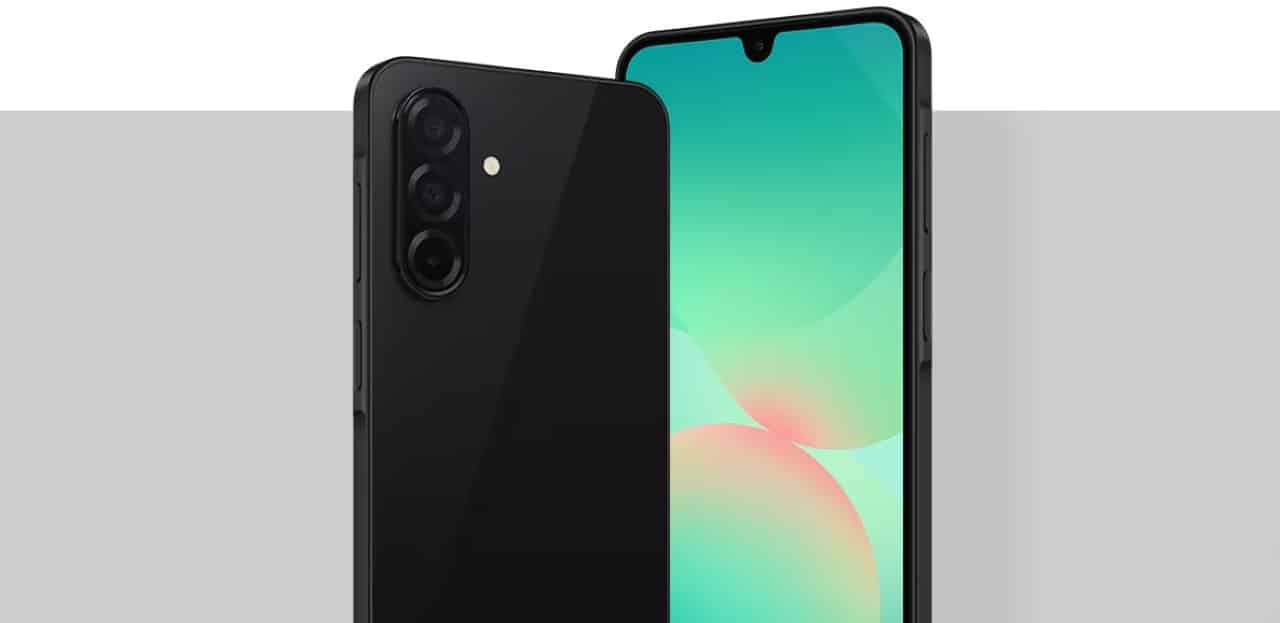
Energy efficiency reaches new heights with this update. Smart algorithms track battery usage in real time, while dynamic refresh rate displays balance visual quality and power savings. In models like the Galaxy S25 and Z Flip 6, these optimizations extend battery life without sacrificing performance, rivaling innovations seen in devices like the iPhone. Background app management has also been refined, cutting resource drain and boosting overall responsiveness.
In Brazil, where smartphones are essential daily tools, these enhancements hold broad appeal. The AI not only improves usability but also extends device lifespan, a critical factor in a cost- and performance-sensitive market. Through these advancements, Samsung reinforces its leadership in mobile innovation, delivering solutions that resonate with demanding users worldwide.
Detailed rollout schedule for Galaxy devices
One UI 7’s distribution follows a structured timeline to ensure a smooth rollout across compatible devices. Key phases include:
- April 7: Galaxy S24, Z Fold 6, and Z Flip 6 receive the update in markets like South Korea and the U.S., with global expansion soon after.
- April 17: Galaxy S24 FE, S23, Z Fold 5, and Z Flip 5 join the list, reaching millions of users worldwide.
- Late April: Galaxy S23 FE and S22 begin updating, followed by mid-range models like the A54 in Q2.
- Mid-April: Galaxy Tab S10 starts the transition, with Tab S9 and S8 slated for updates by Q3.
In Brazil, availability may vary by region, but users can check for updates in their device settings. This phased approach allows for ongoing refinements, ensuring a reliable upgrade process for all supported models.
Broad compatibility boosts accessibility
One UI 7’s compatibility with around 40 devices across the S, Z, A, M, and Tab lines stands out as a major strength. Premium models like the Galaxy S25 Ultra and foldables like the Z Fold 5 are included, alongside older devices like the Galaxy S22 and popular mid-rangers like the Galaxy A54. Tablets such as the Galaxy Tab S9+ also benefit, creating a cohesive experience across smartphones and larger screens.
By extending the update to budget-friendly lines like A and M, Samsung broadens its reach. In Brazil, widely used models like the Galaxy A33 and M34 will gain the new system, strengthening the brand’s foothold in emerging markets. This inclusivity ensures that cutting-edge features reach users across various income levels, amplifying the update’s global impact.
Samsung’s support policy impresses by covering devices launched years ago. The Galaxy S22, for instance, gains significant longevity with One UI 7, while mid-range options like the A54 stay competitive with features once exclusive to flagships. This democratization of technology sets Samsung apart in a market increasingly focused on device durability.
Enhanced security protects users
Protecting user data is a top priority in One UI 7, which arrives with an upgraded Samsung Knox platform and additional security layers. The system provides strong defenses against malware and cyber threats, with granular controls letting users decide what data each app can access. This addresses rising privacy concerns in today’s digital landscape, offering greater peace of mind.
Real-time monitoring adds another layer of protection. When suspicious activity is detected, the system issues alerts and blocks threats before they escalate, a vital feature for users handling financial transactions or sensitive data. Regular security patches will follow the launch, particularly for older models, raising the bar for protection across the Galaxy lineup.
In Brazil, where smartphones are widely used for banking and online shopping, these upgrades are timely. Enhanced security could draw in users prioritizing data protection, cementing trust in Samsung within a highly connected market.
Extended support revitalizes older devices
Samsung honors its long-term support pledge by bringing One UI 7 to devices like the Galaxy S22 and A33, launched years prior. Beyond the new interface, these models receive ongoing security updates, meeting the call for longer-lasting products and reducing the need for frequent replacements. This move shines in an era where sustainability shapes purchasing decisions.
A beta program preceded the global rollout, conducted in markets like South Korea and the U.S. User feedback from these tests helped refine the system, resulting in a stable, user-focused final version. This meticulous process highlights Samsung’s dedication to delivering dependable updates, even for older hardware.
One UI 7 breathes new life into the Galaxy ecosystem. Mid-range staples like the Galaxy A54, a Brazilian favorite, gain premium features, while aging devices remain viable competitors. This blend of innovation and accessibility caters to a wide audience, from tech enthusiasts to budget-conscious users.
Impact on the Brazilian market
In Brazil, where Samsung leads smartphone sales, One UI 7 arrives to bolster that dominance. Popular models like the Galaxy A54 and S23 will see their capabilities enhanced, rivaling Apple’s iOS offerings. Including mid-range devices is a smart play in a market where value for money is king, especially among middle- and lower-income consumers.
The AI features spark particular interest. Tools that adapt to daily routines—like automatic suggestions and battery optimization—appeal to users who rely heavily on their phones for work, study, or entertainment. Improved performance in older models like the Galaxy S22 could sway buying decisions, keeping them relevant against newer releases.
Samsung’s stronghold in Brazil stems from its knack for affordable innovation. With One UI 7, the brand doubles down on this strength, delivering a system that blends advanced tech, security, and customization to millions, from flagship fans to those favoring cost-effective options like the Galaxy A34.
Global competition and One UI 7’s edge
Globally, One UI 7 positions Samsung as a formidable contender against Apple and Google. While iOS emphasizes its closed ecosystem and Google’s stock Android prioritizes simplicity, One UI 7 strikes a balance: a customizable, feature-rich interface accessible across a wide device range. Advanced AI and extended support give it an edge in markets like Europe and Asia.
The flagship battle with Apple is fierce. The Galaxy S25, powered by One UI 7, takes on the iPhone 16 with perks like dynamic displays and superior battery life, while foldables like the Z Fold 6 and Z Flip 6 tap into a segment Apple has yet to conquer. In the mid-range arena, Samsung outshines rivals like Xiaomi and Oppo by bringing premium features to devices like the A54.
The update mirrors broader mobile trends. Rising demand for security, sustainability, and AI drives the industry, and One UI 7 meets these needs with a system that balances innovation and usability, keeping Samsung at the forefront of accessible tech.
Fascinating facts about One UI 7
The One UI 7 rollout offers intriguing tidbits for Galaxy users. Check out these highlights:
- Around 40 devices, from phones to tablets, get the update in 2025.
- Thousands of users in South Korea and the U.S. tested the beta version.
- AI suggests actions based on daily usage patterns.
- Mid-range models like the A54 gain flagship-level features.
These details showcase Samsung’s fusion of high-end tech with broad accessibility, meeting the needs of a global audience.
Paving the way for Galaxy’s future
One UI 7 doesn’t just update devices—it sets the stage for what’s next. AI integration and energy efficiency hint at trends likely to deepen in future releases, like One UI 8, expected in 2026 with Android 16. This forward-thinking approach keeps Samsung in step with an ever-evolving market.
Wide compatibility also primes the ecosystem for upcoming launches. Models like the Galaxy S25 Ultra and next-gen foldables debut with an optimized system, while mid-range devices build on a strong foundation for future updates. In Brazil, where phone upgrades are common, this strategy could lock in brand loyalty.
Samsung wraps up Q1 2025 with a launch that cements its Android leadership. One UI 7 blends design, tech, and support, ensuring Galaxy devices stay competitive in a dynamic industry.
