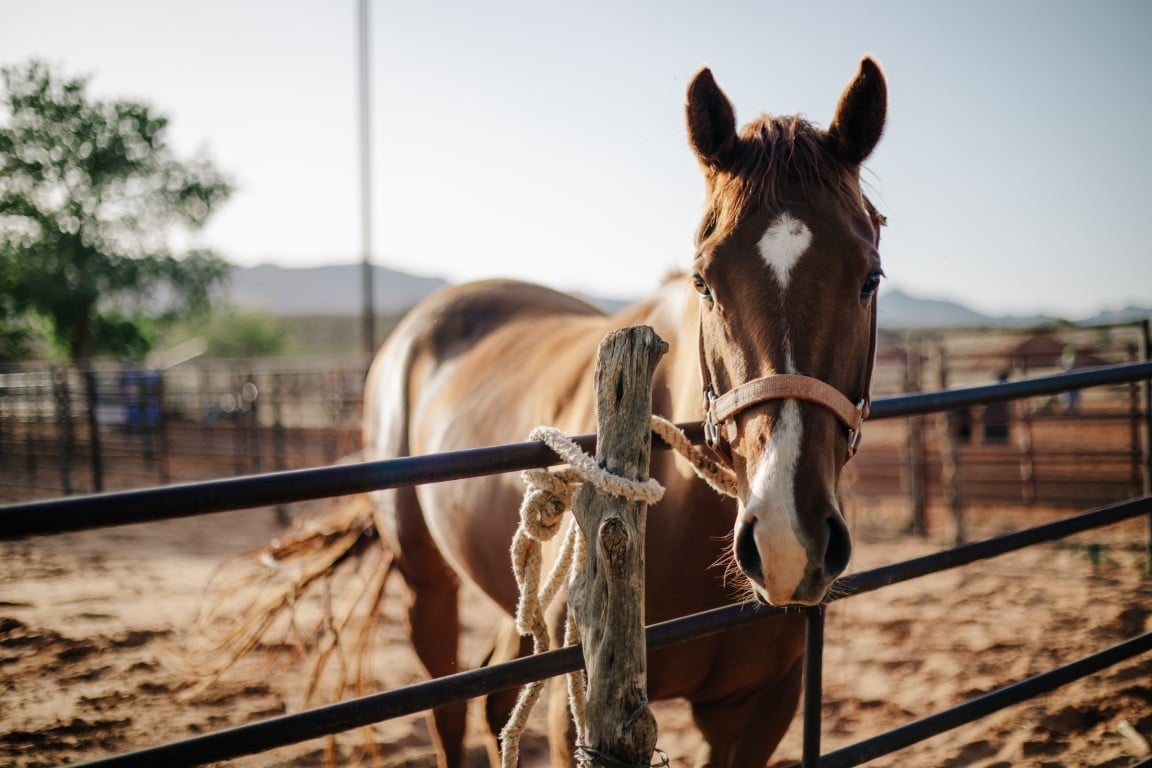
Horses and cows, two of humanity’s most iconic domesticated animals, have worked alongside people for centuries, yet one striking difference stands out: horses wear horseshoes, while cows typically do not. This distinction stems from a blend of anatomy, purpose, and the way each species has been shaped by human use. Horses, with their single-toed hooves designed for speed and agility, rely on horseshoes to shield their feet from wear and tear on hard surfaces or during long journeys, a necessity driven by their roles in transportation, farming, and sports. Cows, with their cloven hooves and more sedentary lifestyles, possess a natural structure that evenly distributes their weight, allowing them to roam pastures or barns without the need for added protection. This contrast reveals not just biological differences but also how humans have adapted their care to suit each animal’s unique demands.
The history of horseshoes traces back to ancient times, with the Romans pioneering metal coverings around the 1st century to safeguard their steeds’ hooves during military campaigns and on paved roads. Over time, this practice became standard for horses facing rugged terrains or heavy workloads. Meanwhile, cows, rarely venturing beyond grassy fields or soft barn floors, benefit from hooves that naturally withstand their slower, less demanding routines. Their cloven design reduces pressure points, making artificial reinforcements unnecessary in most cases. While horseshoes have evolved into a vital tool for equine health and performance, cows have remained largely barefoot, highlighting a fascinating divergence in animal husbandry.
Today, horseshoes are a hallmark of equine care, crafted by skilled farriers to fit each horse’s needs, whereas cows depend on their resilient hooves with minimal intervention. Veterinarians note that cows might occasionally require temporary hoof protection in rare situations, such as rocky terrains or medical conditions, but this is far from routine. For horses, horseshoes are practically an extension of their anatomy, while cows thrive without them, showcasing how biology and utility dictate such distinct practices in the rural world.
Anatomy drives the distinction
Horses have a single hoof per leg, a tough keratin structure that bears their full weight on a compact surface. This design makes them swift and agile, perfect for galloping or pulling loads, but it leaves their hooves prone to damage on rough ground like stone, concrete, or packed trails. Horseshoes, typically forged from iron or steel, are nailed or glued to the hoof, shielding it from cracks, splits, and excessive wear, especially for animals trekking long distances or working in harsh conditions.
Cows, in contrast, feature cloven hooves—split into two toes, or claws—that spread their weight, often ranging from 1,100 to 1,800 pounds, more evenly than a horse’s 900 to 1,300 pounds. This split structure enhances stability on soft terrain like pastures and lessens the strain on each section, making their hooves naturally durable. The continuous growth of a cow’s hoof, balanced by daily movement, further reduces wear, eliminating the need for added protection in typical environments.
Evolution plays a key role here. Horses, from the Equidae family, developed single hooves to flee predators across vast plains, while cows, from the Bovidae family, adapted to a slower, grazing lifestyle in herds. These traits influenced their domestication: horses were bred for speed and mobility, requiring horseshoes in human-altered settings, whereas cows, focused on meat and milk production, maintained a more static existence, relying on their natural hoof resilience.
- Key structural differences:
- Horses: Single hoof, concentrated weight, prone to wear.
- Cows: Cloven hoof, distributed weight, naturally resilient.
Purpose shapes the need
Throughout history, horses have served as engines of transportation, warfare, and agriculture, roles demanding extensive travel across diverse landscapes. A riding horse or draft animal might cover dozens of miles daily, often on rocky paths or cobblestone roads, where unprotected hooves would quickly erode, leading to pain, infections, or lameness. Horseshoes emerged as a practical fix, extending the animals’ usability and ensuring their reliability in demanding tasks.
Cows, however, lead a far less strenuous life. Raised primarily for dairy or beef, they spend most of their days in pastures or barns, moving short distances to graze or rest. Even when used for plowing in regions like Asia or Africa, their pace is leisurely, and the ground is usually soft, posing little threat to their hooves. This difference in purpose explains why humans engineered horseshoes for equines but never saw a similar need for bovines.
Domestication amplified these roles. Horses were conditioned to endure heavy loads and long treks, often on man-made surfaces like paved roads, necessitating hoof protection. Cows, vital to farming for their output rather than mobility, faced no such pressures, living closer to their natural state. Horseshoes became a cornerstone of equine care, while cows continued to thrive without them, their hooves sufficient for their steady, grounded routines.
Horseshoes trace back to antiquity
The use of horseshoes dates to ancient Rome, around the 1st century, when soldiers fitted their horses with “hipposandals,” metal plates tied to the hooves for protection during marches. By the 9th and 10th centuries, in medieval Europe, the modern nailed horseshoe took shape, driven by knights and traders needing durable mounts for battle and commerce. The spread of paved roads further cemented their necessity, protecting hooves from relentless wear.
In medieval times, farriers became vital craftsmen, refining horseshoes to fit individual horses. Iron, sturdy and affordable, was the go-to material, though today’s options include steel, aluminum, and synthetics for specialized uses. Beyond protection, horseshoes boosted traction on slippery surfaces like mud or ice, critical for warhorses or work animals in harsh climates.
Cows missed this innovation. Domesticated around 10,000 years ago in the Middle East for food production, their lives rarely involved long marches or hard surfaces. Even in cultures using oxen for plowing, like India’s zebu cattle, the soft soil and slow pace spared their hooves, leaving no historical demand for bovine horseshoes. This gap underscores both biology and the distinct human uses of each species.
Hoof care varies widely
Horses require meticulous hoof maintenance, even without horseshoes. Their keratin grows about half an inch monthly, needing regular trimming by farriers or vets to prevent cracks or overgrowth. When shod, hooves are rasped, and shoes replaced every six to eight weeks, based on wear and workload, to avoid ailments like laminitis or abscesses from neglected hooves.
Cows have simpler needs. Their cloven hooves grow steadily too, but natural wear in pastures or barns often keeps them in check. In modern farms, especially on concrete floors, trimming occurs once or twice yearly to prevent issues like foot rot or lameness. In rare cases—rocky terrains or disease—temporary rubber or resin pads might be applied, but this is uncommon and far less complex than equine shoeing.
This care disparity mirrors their roles. Horses, exposed to punishing surfaces, demand constant attention, while cows, in gentler settings, need minimal human aid. Experts note that shoeing cows en masse would be impractical—their split hooves resist nailing, and the cost outweighs the benefit for their purpose.
- Typical hoof care routines:
- Horses: Monthly trims, shoes swapped every 6-8 weeks.
- Cows: Annual or biannual trims, rare temporary pads.

Horseshoes enhance performance
Beyond protection, horseshoes boost equine efficiency. In racing or jumping, lightweight aluminum shoes improve speed and grip, while studded designs aid traction on wet tracks. For draft horses hauling loads, sturdy shoes lessen strain on hard ground, enhancing endurance throughout the day.
Cows lack such requirements. Their slow, steady gait in pastures demands no extra grip or cushioning. Even in intensive dairy setups with concrete, hoof wear remains low compared to a horse’s pounding strides on trails. Cows’ production-focused role doesn’t hinge on agility or stamina, negating the need for performance-enhancing gear.
Human investment reflects this. Horses, valued as work or sport companions, receive tailored equipment to maximize output. Cows, prized for milk or meat, get basic health care without accessories to boost task efficiency, a practical divide rooted in their distinct contributions.
Rare exceptions for cows
Though cows rarely wear protection, exceptions exist. In rocky, mountainous regions—like parts of Europe or South America—hooves may crack or wear excessively, prompting temporary rubber or resin pads. These are glued on to heal injuries or ease strain, but lack the permanence of horseshoes.
Conditions like foot rot, prevalent in wet or dirty pens, might also call for pads to shield healing hooves. Still, these measures are short-term and applied to few animals, as the expense and effort don’t scale for large herds where output, not mobility, is king. Unlike horses, cows’ cloven hooves make widespread shoeing unfeasible.
Horses, by contrast, rely on routine shoeing. Their single hooves and active lifestyles demand consistent protection, while cows’ natural resilience and static roles keep such needs at bay, barring unusual circumstances.
Cultural weight of horseshoes
Horseshoes carry cultural heft beyond utility. In horses, they symbolize strength, labor, and luck—think of the tradition of hanging them over doors for good fortune, rooted in medieval Europe. Farriers were revered, and iron, tied to warding off evil, added mystique to the craft.
Cows lack a parallel icon. Vital for food and farming, they inspire no such lore. Their static, productive role garners respect but not the dynamic reverence horses earn as human partners. Horseshoes thus mark a unique bond with equines, absent in bovine imagery.
Language echoes this. Phrases like “strike while the iron’s hot” nod to farriery, while cows, despite their value, spawn no similar metaphors. Horseshoes stand as a cultural badge of equine legacy, distinct from the cow’s quieter presence.
Modern horseshoes advance
Today’s horseshoes go beyond iron. Racing uses lightweight aluminum, while plastic offers cushioning in shows. Steel remains a farm staple for durability, and glues sometimes replace nails to ease hoof stress, tailoring solutions to each horse’s needs.
Cows see no such progress. Rubber or resin pads exist for rare treatments, but mass adoption never took hold due to low demand. Their static lives don’t warrant innovation, unlike horses, whose roles in sports and labor drive ongoing upgrades.
This technological split highlights use. Horses’ mobility fuels horseshoe evolution, while cows’ steady pace keeps their hooves au naturel, a divide shaped by human priorities over time.
Practical hoof management contrasts
Shoeing a horse involves skilled farriers crafting custom fits, costing $25 to $75 per horse, swapped every six to eight weeks. It’s a worthwhile expense to keep them fit for riding, hauling, or racing, preventing lameness that could sideline them.
Cow hoof care is cheaper and less frequent. Trimming, done by vets or techs, runs $5 to $12 per animal once or twice yearly, with pads as a rare add-on. For herds, this simplicity scales, unlike the labor-intensive shoeing of horses, aligning with their respective roles.
Economics seals the gap. Shoeing cows broadly would be costly and pointless, while for horses, it’s a proven necessity, reflecting their biology and workloads in stark relief.
Fun facts about hooves and shoes
Horse hooves hide quirks. The “frog,” a V-shaped pad inside, cushions and boosts blood flow but wears easily, underscoring horseshoe needs. Cows’ split hooves grip wet ground better, a natural perk for soggy fields.
Wild horses, like mustangs, go unshod in soft plains, their hooves toughened by nature. Wild cows, like extinct aurochs, never needed aids either, hinting domestication drove equine shoeing. Horses now get factory-made shoes, while cows stick to basic trims, a nod to their simpler care.
- Hoof trivia:
- Horses: “Frog” aids circulation, sensitive to wear.
- Cows: Cloven grip excels in mud, self-maintaining.