Apple terminates iPhone 14, 14 Plus, and SE in 2025, paving the way for iPhone 17 and iOS 19 innovations
In March 2025, Apple announced the discontinuation of three widely used smartphone models: the iPhone 14, iPhone 14 Plus, and the third-generation iPhone SE. This strategic move, affecting over 1.2 billion active iPhone users worldwide, underscores the company’s commitment to advancing its product lineup with cutting-edge technologies, such as the A18 chip and Apple Intelligence integration. By phasing out these 2022 models, Apple is nudging consumers toward newer devices like the iPhone 15 and 16 series while setting the stage for the highly anticipated iPhone 17 lineup, expected in September 2025. The decision highlights Apple’s rapid innovation cycle but raises questions about the future for users still relying on these devices.
Introduced in 2022, the iPhone 14 and 14 Plus brought the A15 Bionic chip, improvements in computational photography, and, for the Plus, a larger display catering to users seeking a bigger screen. The third-generation iPhone SE, also launched in 2022, gained a loyal following, particularly in emerging markets, for its blend of robust performance, compact design, and budget-friendly price. Despite their popularity, these models have been outpaced by newer lines equipped with features like USB-C ports, the A16 and A18 chips, and the Dynamic Island interface. Apple’s decision to retire them aligns with its goal of ensuring compatibility with upcoming software, such as iOS 19, slated for release in late 2025.
The announcement has sparked varied responses among users. Some are already planning to upgrade to newer models, while others are concerned about the longevity of their current devices. Apple, known for its annual product refreshes, is focused on encouraging adoption of devices that support its latest advancements, including 120 Hz ProMotion displays and 48 MP cameras, already featured in the iPhone 15 and 16 series. To ease the transition, the company has expanded its trade-in program in 2025, offering discounts of up to $300 on new purchases, depending on the condition of the traded-in device.
Reasons behind the discontinuation
Apple’s decision to discontinue the iPhone 14, 14 Plus, and SE is rooted in its cyclical approach to technological renewal. While these models are powered by the capable A15 Bionic chip, they lag behind the iPhone 15, which introduced USB-C and the A16 Bionic chip, and the iPhone 16, launched in 2024 with the AI-optimized A18 chip. The iPhone SE, despite sharing the A15 chip, lacks modern features like the Dynamic Island and dual-camera systems, making it less competitive in today’s market.
Freeing up production capacity for future releases is another key factor. Apple is gearing up for the iPhone 17, rumored to include an ultra-thin Air model with superior performance, set to debut in late 2025. Streamlining the supply chain also allows the company to focus on premium devices, such as the iPhone Pro lineup, which accounted for 60% of its revenue in the last quarter of 2024. This approach boosts profit margins, as higher-end models typically yield greater financial returns.
Sustainability plays a significant role in Apple’s strategy as well. Newer models, like the iPhone 16, incorporate more recycled materials, including aluminum and cobalt, and feature packaging with reduced plastic. By phasing out older models, Apple can allocate resources to initiatives that support its goal of achieving carbon neutrality, a priority increasingly valued by consumers and investors alike.
Immediate impacts for users
Owners of the iPhone 14, 14 Plus, and SE won’t face immediate disruptions, but challenges lie ahead. Based on Apple’s support patterns, these models are expected to receive full iOS updates for at least two to three more years, likely remaining compatible through iOS 20 or 21, with full support projected until 2027. Security updates may extend for an additional year, but the devices will eventually lose access to new features and apps requiring more powerful hardware.
In regions where newer iPhones carry steep price tags, such as Brazil, the discontinuation of the iPhone 14 and SE could pose difficulties for users seeking a balance between cost and performance. These models remain popular in emerging markets, and their phase-out may drive consumers to the second-hand market, where the iPhone 14 accounted for 15% of global used iPhone sales in 2024. Apple’s expanded trade-in program aims to mitigate this by offering incentives to keep users within its ecosystem, which includes services like iCloud, Apple Music, and Apple Pay.
The discontinuation may also affect the availability of model-specific accessories, such as cases and chargers, as manufacturers shift focus to newer devices. Users opting to keep their devices will need to prioritize maintenance, such as battery replacements at authorized service centers, to ensure optimal performance while official support remains active.
Cobertura completa: EUA
Alternatives to replace discontinued models
Users needing to replace the iPhone 14, 14 Plus, or SE have several options within Apple’s current lineup. The iPhone 15, available in standard and Plus versions, offers upgrades like a 48 MP camera sensor and improved energy efficiency via the A16 Bionic chip. The iPhone 16 Pro and Pro Max, launched in 2024, deliver 120 Hz ProMotion displays and the powerful A18 Pro chip, ideal for those prioritizing top-tier performance and photography.
A notable alternative is the iPhone 16e, introduced in March 2025 as a spiritual successor to the SE. Featuring the A18 chip and a competitive price, it targets budget-conscious buyers unwilling to compromise on modern technology. In the used market, the iPhone 14 and SE are likely to remain available for years, particularly on resale platforms, where demand for discontinued models often spikes. Following the iPhone 13’s exit in 2023, the used market saw a 20% surge, and a similar trend is expected now.
The decision to opt for a new or refurbished device depends on individual priorities. Apple is betting that its trade-in incentives and accessible launches like the iPhone 16e will retain its customer base and reinforce brand loyalty.
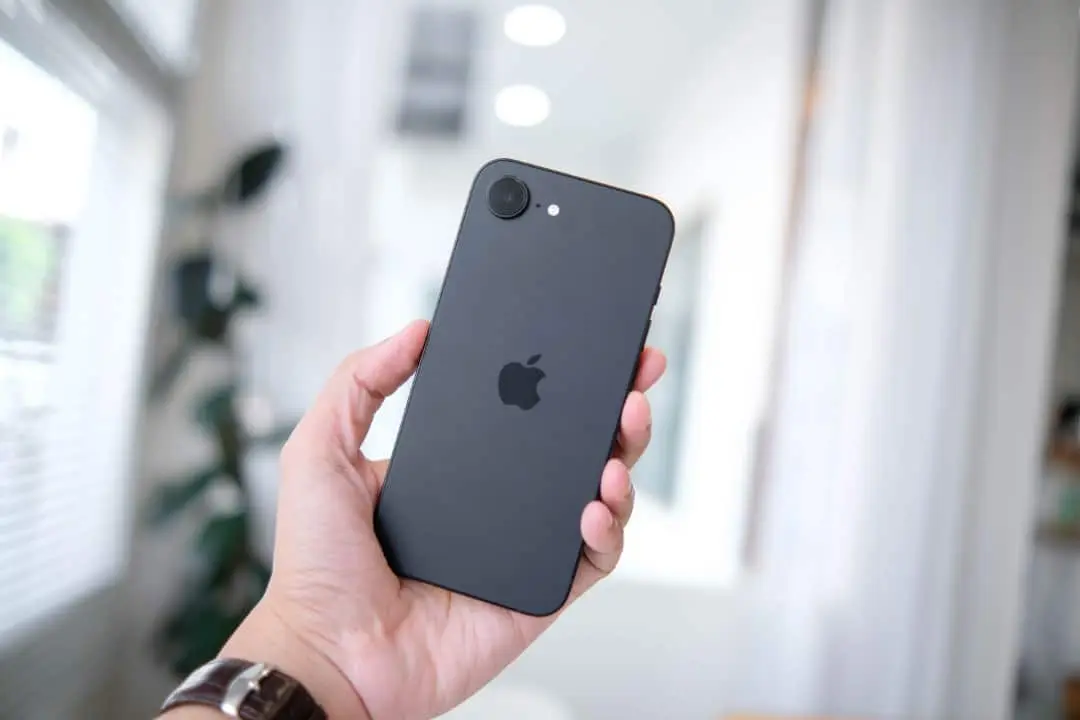
Support timeline for retired models
The phase-out of the iPhone 14, 14 Plus, and SE follows a predictable schedule based on Apple’s support history:
- 2025: Official sales and production end at Apple stores.
- 2026-2027: Final full iOS updates, potentially up to iOS 20.
- 2028: Likely end of security updates, marking the devices’ lifecycle conclusion.
This timeline provides users with ample time to plan their next steps, though it underscores the importance of keeping devices updated while support lasts. Apple typically offers about five years of full updates post-launch, ensuring these 2022 models remain viable through the end of the decade.
Impacts on the global smartphone market
The discontinuation of these models will have ripple effects beyond individual users. Accessory makers may scale back offerings for the iPhone 14 and SE, while retailers will need to adjust inventories to avoid overstock. The iPhone 13’s exit in 2023 spurred a 20% surge in the used market, and a similar uptick is anticipated now, benefiting budget-conscious buyers and resale platforms.
Globally, Apple held a 20% smartphone market share in 2024, reinforcing its dominance. Focusing on premium models strengthens the company’s revenue, though it may strain smaller retailers in regions where affordable options like the SE are in demand. Mass production of devices like the iPhone 16 and the upcoming iPhone 17 should offset this gap, sustaining Apple’s growth trajectory in a competitive market.
The move also reflects Apple’s strategy to simplify its product lineup. By reducing the number of available models, the company can focus on innovations that set its devices apart, such as enhanced AI integration and improved 5G connectivity, areas where competitors are also investing heavily.
Veja Também



Practical tips for affected users
Maximizing the lifespan of discontinued models requires a few straightforward steps:
- Update iOS regularly to maintain security and performance.
- Monitor battery health and replace it at authorized service centers if needed.
- Consider selling or trading in the device before its market value drops significantly.
These actions can extend the usability of the devices while official support remains active, particularly for those not ready to upgrade immediately. Users should also stay informed about app compatibility, as some may begin requiring more advanced hardware in the coming years.
Apple’s plans for 2025
Phasing out the iPhone 14, 14 Plus, and SE sets the stage for major innovations in 2025. The iPhone 17 lineup, expected in September, is rumored to include the Air model, featuring a slimmer, lighter design and enhanced Apple Intelligence capabilities, such as generative AI tools for photo editing and smarter assistants. iOS 19, set to debut at WWDC in June, promises a major visual overhaul—the most significant since iOS 7 in 2013—along with greater customization and tighter ecosystem integration.
Between 2022 and 2024, over 300 million iPhones were sold worldwide, and Apple is banking on technologies like augmented reality and enhanced 5G to fuel further growth. Replacing older models with more capable options signals a clear push toward a future-ready ecosystem where hardware and software work in seamless harmony.
Ecosystem integration and upcoming releases
Beyond iPhones, Apple is refreshing its broader lineup in 2025. The iPad Air with the M3 chip, launched in March, and the MacBook Air with M4 highlight the expanding use of in-house processors, which will also power future iPhones. Features like iPhone Mirroring and an Apple Pay update adding PayPal balance support enhance device connectivity, delivering a seamless user experience across the ecosystem.
The discontinuation of the iPhone 14, 14 Plus, and SE is more than a lineup shuffle—it reflects Apple’s drive to accelerate innovation and sustainability. With millions of users watching closely, the company continues to shape the tech landscape with releases poised to redefine smartphone expectations.
Sustainability and environmental responsibility
Apple has intensified efforts to achieve carbon neutrality, and phasing out older models aligns with this goal. Newer iPhones, like the iPhone 16, use a higher proportion of recycled materials, including aluminum and cobalt, and feature packaging with minimal plastic. This approach reduces environmental impact and resonates with consumers who prioritize sustainable practices.
The company has also invested in recycling and refurbishment programs. Its certified refurbished iPhone program, for instance, allows used devices to be restored and resold with a warranty, extending their lifespan and reducing electronic waste. In 2024, about 10% of iPhone sales were refurbished models, and this figure is expected to grow with the discontinuation of the iPhone 14 and SE.
The role of artificial intelligence
Artificial intelligence is central to Apple’s 2025 innovations. The iPhone 16 already introduced Apple Intelligence features, such as advanced personal assistants and AI-powered image editing tools. The iPhone 17 is expected to take this further with capabilities like real-time content creation and more intuitive user interactions.
iOS 19 will play a pivotal role in this evolution, offering a visual redesign with dynamic widgets and adaptable interface options. AI integration will also extend to iPadOS 19 and macOS 15, creating a unified experience across Apple’s ecosystem and reinforcing the company’s leadership in intelligent device ecosystems.
Challenges in emerging markets
In emerging markets like Brazil, India, and parts of Africa, the iPhone SE served as an entry point to Apple’s ecosystem, offering high performance at a more accessible price. Its discontinuation may pose challenges for new users, particularly in regions where premium models like the iPhone 16 Pro are prohibitively expensive. The iPhone 16e addresses this gap to some extent, but its pricing may still be a barrier in certain economies.
To counter this, Apple has expanded partnerships with carriers and retailers, offering financing plans and trade-in discounts. These initiatives aim to sustain user growth in regions where the brand faces competition from Android manufacturers offering cheaper alternatives.
Trends in the used market
The used iPhone market is a critical component of Apple’s strategy to maintain relevance post-discontinuation. Following the iPhone 13’s exit in 2023, sales of second-hand devices surged, and a similar trend is expected for the iPhone 14 and SE. Resale platforms and specialized retailers are preparing for increased demand, as these models offer an affordable alternative for budget-conscious consumers.
Used iPhones also benefit from Apple’s extended support, enhancing their appeal. Models like the iPhone 14, with the A15 Bionic chip, remain capable of running demanding apps and receiving software updates, making them a viable choice for years to come.
Innovations on the horizon
The iPhone 17, set for release in September 2025, is generating significant buzz. Beyond the Air model, rumors suggest improvements in 5G connectivity and augmented reality, areas where Apple aims to differentiate itself. The A18 chip, expected to power the lineup, will offer superior performance and energy efficiency, enabling complex tasks like real-time AI processing.
Apple is also reportedly developing its own batteries, which could debut in products launched after 2025. Combined with advancements in Wi-Fi 7 chips, these efforts reflect the company’s push to control more of its supply chain, ensuring tighter integration between hardware and software.