F1 Michael Schumacher: 12 Years After Accident, Formula 1 Legend’s Legacy Endures Amid Health Mystery
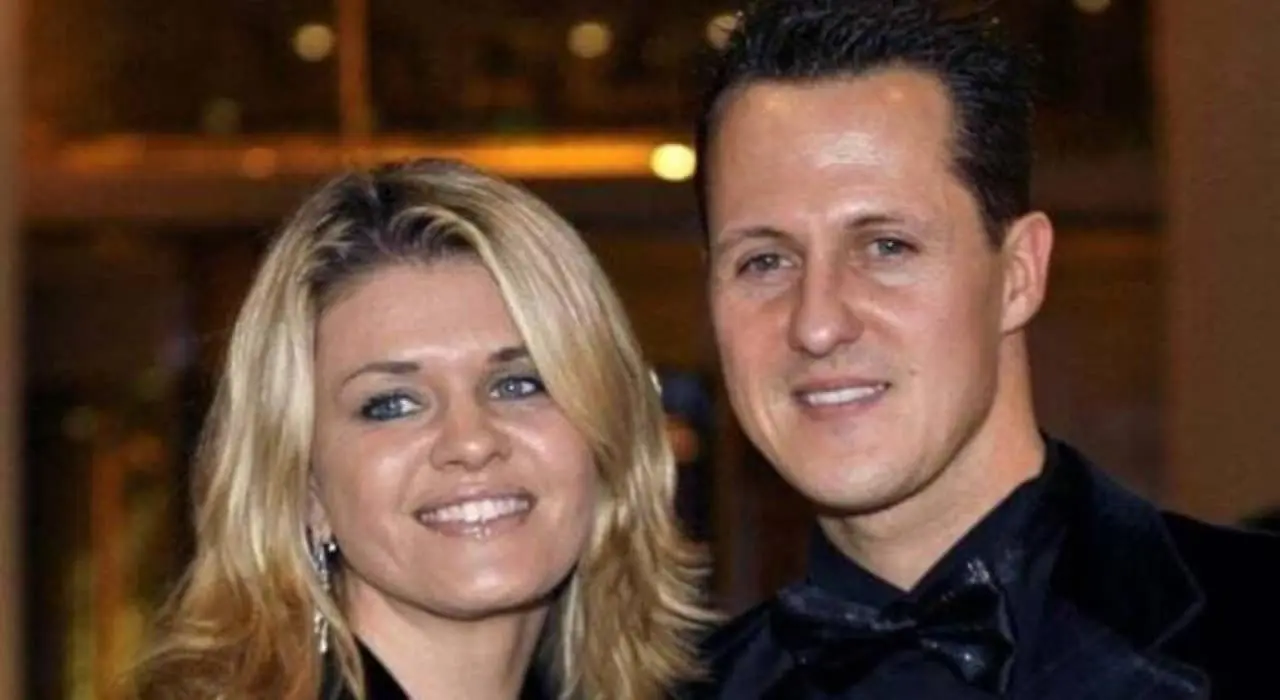
Twelve years have passed since the devastating skiing accident that altered the life of Michael Schumacher, one of Formula 1’s greatest icons. On December 29, 2013, in the Méribel mountains of France, the seven-time world champion suffered a severe traumatic brain injury, leading to a months-long induced coma. Since then, Schumacher has remained out of the public eye, residing at his home in Gland, Switzerland, under the care of a specialized medical team. His family, led by Corinna Schumacher, maintains strict silence about his health, safeguarding the privacy of a global sports legend. In 2025, Schumacher celebrated his 56th birthday on January 3, prompting an outpouring of support from fans on social media, a testament to his enduring impact. While official updates are scarce, his legacy in Formula 1 remains untarnished, inspiring generations and cementing his name as a symbol of excellence.
The absence of detailed health updates fuels curiosity and speculation, yet it also underscores the family’s resolute stance. Jean Todt, former Ferrari boss and a close friend, offers rare glimpses, suggesting Schumacher continues intensive treatment with motor and communication challenges. These sparse remarks reinforce the notion that the driver persists in his fight, albeit away from public view. Initiatives like the 2021 Netflix documentary “Schumacher” and the Keep Fighting foundation keep his memory alive, celebrating his achievements while steering attention from his current state. Mick Schumacher, his son, carries the family name in racing, invoking his father’s influence without delving into health details.
Schumacher’s accident marked a turning point, but it did not erase his storied career. With seven world titles, 91 race wins, and a transformative impact on Formula 1, he remains a towering figure. The family’s discretion contrasts with the spotlight of his glory days, yet it reflects a commitment to protecting a man who, for decades, embodied speed and resilience. As the world hopes for signs of recovery, Schumacher’s journey continues to be honored, with fans and former colleagues keeping his legacy vibrant through tributes, events, and memories of an unparalleled career.
- Milestones of Schumacher’s accident:
- December 29, 2013: Skiing accident in Méribel, France.
- January to June 2014: Induced coma in Grenoble hospital.
- September 2014: Transfer to home in Switzerland.
- 2021: Release of the “Schumacher” documentary by Netflix.
A career that reshaped Formula 1
Michael Schumacher dominated Formula 1 like few others, clinching seven world championships between 1994 and 2004, five with Ferrari. His debut with Jordan in 1991 showcased a prodigious talent, solidified by titles with Benetton in 1994 and 1995. Joining Ferrari in 1996 was a game-changer, reviving a struggling team into a dominant force. From 2000 to 2004, Schumacher secured five consecutive titles, a feat that defined an era of supremacy. His 91 victories in 308 races, 68 pole positions, and 77 fastest laps set benchmarks that, even if partially eclipsed by Lewis Hamilton, remain remarkable.
Schumacher’s prowess extended beyond speed. His dedication to physical fitness, technical analysis, and teamwork redefined the sport’s standards. He faced fierce rivals like Ayrton Senna, Mika Hakkinen, and Fernando Alonso, crafting a career filled with epic battles and iconic moments, such as the 2000 Japanese Grand Prix win that ended Ferrari’s 21-year title drought. After retiring in 2006, he returned with Mercedes from 2010 to 2012, racing at 43 with undiminished passion. His legacy continues to inspire drivers and fans, who see him as the epitome of a complete competitor.
No mesmo tema: Michael Schumacher: How the 2013 accident reshaped the F1 legend’s life and health in 2025
Ferrari, where Schumacher achieved his greatest triumphs, maintains a deep connection with him, honoring him through exhibitions in Maranello and special events. The Keep Fighting foundation, launched in 2016, upholds his values, supporting road safety and young motorsport talents. Mick Schumacher, now a Mercedes reserve driver, carries the family name, navigating the pressure of his father’s legacy. In 2025, as Formula 1 celebrates 75 years, Schumacher’s name remains a cornerstone of the sport’s history.
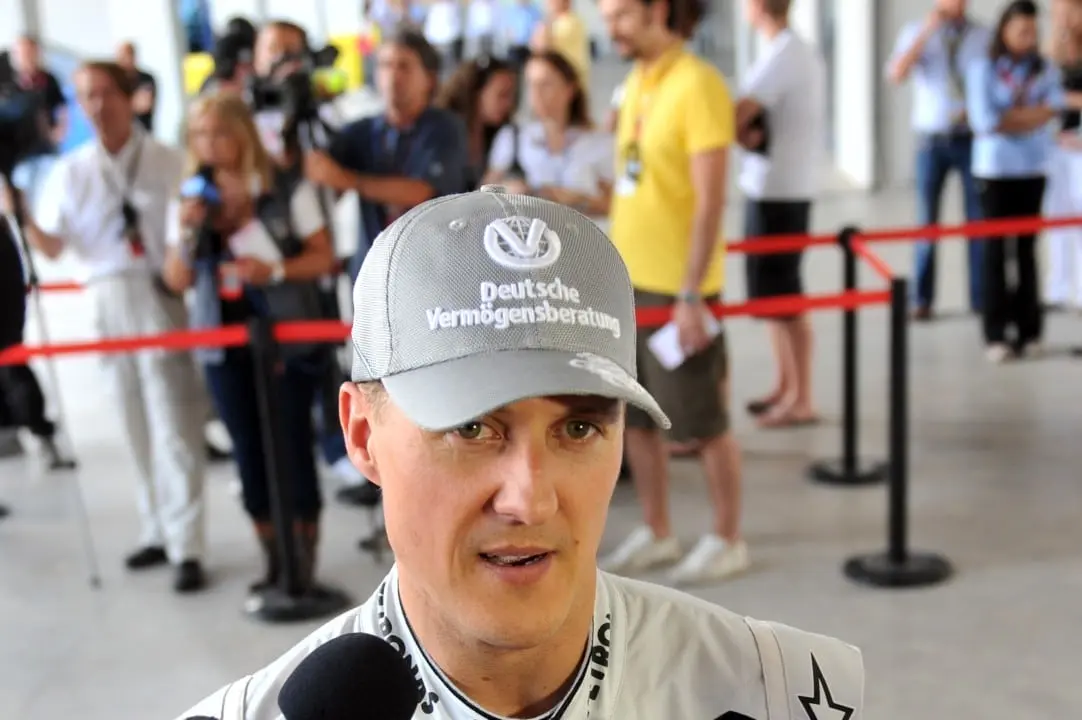
The accident that changed everything
On December 29, 2013, Michael Schumacher’s life took a dramatic turn. While skiing in Méribel, France, he collided with a rock, sustaining a severe traumatic brain injury. Despite wearing a helmet, the impact caused critical brain damage, necessitating emergency surgeries at Grenoble hospital. Placed in an induced coma for nearly six months, Schumacher’s condition gripped fans and the motorsport community. In June 2014, he emerged from the coma, and by September, he was transferred to his Swiss home, embarking on a long recovery journey.
The family chose to limit information from the outset. Corinna Schumacher, his wife, took charge, overseeing a medical team providing care at home. Official statements are rare, confirming only that Michael remains under intensive care. This reticence has sparked rumors, but it also reinforces the family’s commitment to privacy for a global icon. The lack of details stands in stark contrast to Schumacher’s public career, when each victory captivated millions.
The accident not only removed Schumacher from the track but reshaped his family’s dynamics. Corinna, Mick, and Gina-Maria, their daughter, strive for normalcy amid worldwide scrutiny. Their Gland home was equipped with advanced medical facilities, including an intensive care unit, to ensure his comfort. Despite estimated annual care costs in the millions, the family prioritizes Michael’s well-being, never addressing financial challenges publicly.
- Notable Schumacher records:
- 7 world championships (1994, 1995, 2000, 2001, 2002, 2003, 2004).
- 91 Grand Prix victories.
- 68 pole positions throughout his career.
- 77 fastest laps in races.
Health status in 2025
Details about Michael Schumacher’s health in 2025 are scarce. Occasional reports from close associates, like Jean Todt, indicate he faces motor and communication limitations, typical outcomes of a severe brain injury. Neurologists explain that such injuries can cause lasting damage to motor, cognitive, and emotional functions, varying by the brain areas affected. Without official updates, precise assessments are impossible, but ongoing care suggests Schumacher responds to stimuli, albeit minimally.
The family has never disclosed specifics, such as his level of consciousness or interaction ability. In 2019, rumors of experimental treatment in Paris surfaced in French media, but the family dismissed them as speculative. This deliberate silence contrasts with the public exposure common for celebrities. No recent images or videos exist, and Schumacher’s last public appearance was in 2013, before the accident.
Therapies like physiotherapy, speech therapy, and cognitive stimulation are standard for brain injury recovery, likely part of Schumacher’s regimen. His home is equipped for tailored treatments, supported by a dedicated medical team. The commitment to advanced care reflects efforts to maximize any potential progress, however incremental.
The family’s role in preserving the legacy
Corinna Schumacher has been the cornerstone of the family’s efforts, balancing Michael’s privacy with initiatives to honor his legacy. She spearheaded the 2021 documentary, lauded for its respectful portrayal of his career and personal life without delving into his health. Corinna also leads the Keep Fighting foundation, which champions causes tied to Schumacher’s values, including resilience and motorsport support.
Mick Schumacher carries the family name in racing, debuting with Haas in 2021. Despite career challenges, his Ferrari ties and Mercedes role keep the Schumacher legacy alive. He avoids health discussions, focusing on his father’s inspiration. Gina-Maria, an equestrian, maintains a low profile but supports family initiatives. The family faces significant emotional and financial burdens, with Michael’s care costing millions annually, funded by his investments. Corinna remains steadfast, prioritizing her husband and children.
The family’s unity is evident in their approach. Corinna’s leadership, Mick’s racing endeavors, and Gina-Maria’s quiet support ensure Michael’s legacy endures. Their resilience in maintaining privacy while celebrating his achievements reflects a delicate balance in a high-profile world.
Mais sobre o assunto: Discover how Michael Schumacher ‘reappears’ at Gina-Maria’s wedding after 11 years
- Possible therapies for Schumacher:
- Physiotherapy for motor functions.
- Speech therapy for communication.
- Cognitive stimulation for memory and attention.
- Psychological support for family and patient.
Silence and media speculation
The family’s decision to shield Schumacher’s privacy has invited media speculation. European tabloids frequently publish unverified updates, prompting Corinna to pursue legal action against privacy breaches. In 2016, a German magazine’s false claim that Schumacher could walk led to a successful lawsuit, highlighting the family’s resolve to curb misinformation.
Fans, conversely, offer steadfast support. On key dates like his birthday or the accident’s anniversary, social media brims with messages under hashtags like #KeepFightingMichael. This reflects Schumacher’s deep connection with the public, built through victories and his tenacity against rivals like Senna and challenges in his later Mercedes years. The fanbase’s loyalty underscores his lasting influence.
Veja Também
Cadillac nega boatos de Rafael Câmara na F1 em 2027, mas mantém portas abertas para mudanças futuras
Max Verstappen vai sair da F1? CEO quebra o silêncio sobre futuro do piloto e novas regras

Avaliações de especialistas apontam desempenho superior de Bortoleto na F1 2026 mesmo com dificuldades da Audi
Debates over public figures’ privacy rights have intensified. Some advocate for more transparency, while others respect the family’s choice to protect Schumacher’s dignity. This tension persists in 2025, with no signs of a shift in the family’s approach, keeping the focus on his legacy over health speculation.
Support from friends and colleagues
Jean Todt stands out as one of the few non-family members to comment on Schumacher. The former Ferrari boss, a frequent visitor, describes Michael as family, hinting at his awareness despite significant limitations. Todt’s careful statements aim to quell extreme rumors while respecting privacy.
Former teammates like Rubens Barrichello and Felipe Massa also express support without health specifics. Barrichello misses their conversations, while Massa advocates for the family’s privacy. These sentiments reflect Schumacher’s profound impact on motorsport, felt years after his last race. The Formula 1 community honors him through tributes at events like the German Grand Prix, where he won four times.
Saiba mais: Virada de Lewis Hamilton na Ferrari rende melhor primeiro semestre na F1 desde 2021
Ferrari plays a pivotal role in preserving Schumacher’s memory. Maranello exhibitions featuring his cars draw global fans, and special events, like his 50th birthday in 2019, celebrate his contributions. These efforts ensure Schumacher remains a central figure in the sport.
Impact on the family
Corinna Schumacher assumed leadership post-accident, managing Michael’s recovery and public image. She oversees a medical team at their adapted Gland home, equipped for intensive care. Corinna also navigates global curiosity, maintaining privacy with unwavering resolve.
Mick Schumacher followed his father into Formula 1, debuting with Haas in 2021. Though facing career obstacles, he draws inspiration from Michael without discussing his health. Gina-Maria, focused on equestrian sports, stays out of the spotlight but joins family efforts. The family balances public exposure with personal protection, a complex task given Michael’s fame.
Close allies like Jean Todt provide emotional support. Todt’s visits and descriptions of Schumacher’s fight offer rare insights, reinforcing the family’s ongoing commitment. Their collective strength has sustained them through 12 challenging years, keeping Michael’s spirit alive.
- Iconic career moments:
- First world title in 1994 with Benetton.
- 2000 Japanese Grand Prix win, securing Ferrari’s title.
- Record five consecutive titles (2000-2004).
- Return to Formula 1 with Mercedes in 2010.
Relevance in 2025
Michael Schumacher remains a towering figure in motorsport, even absent from public view. In 2025, Formula 1’s 75th anniversary highlights his role as a foundational figure. His records, though partly overtaken by Hamilton, awe fans, reflecting his era’s fierce competition.
Saiba mais: Lewis Hamilton mostra treino pesado durante férias da F1; veja vídeo
The 2013 accident spurred safety advancements. It prompted better protective gear in winter sports and influenced Formula 1’s halo, inspired by cases like Schumacher’s. These changes underscore his broader impact. Fan events at circuits like Spa-Francorchamps, where he won six times, keep his legacy vibrant, with #KeepFightingMichael trending regularly.
Schumacher’s story resonates beyond racing. His resilience inspires, and his family’s dedication ensures his contributions endure, making him a timeless symbol of excellence and perseverance.
Career and accident timeline
Schumacher’s life and career are defined by milestones that shaped Formula 1 and his personal journey. From his debut to the accident, each moment reflects his legacy.
- 1991: Formula 1 debut with Jordan at the Belgian Grand Prix.
- 1994-1995: World titles with Benetton.
- 2000-2004: Five consecutive titles with Ferrari.
- 2010-2012: Return to Formula 1 with Mercedes.
- December 29, 2013: Skiing accident in Méribel.
- 2014: Emergence from coma and transfer to Switzerland.
- 2021: Release of the “Schumacher” documentary.
Mental health and recovery
Severe brain injuries like Schumacher’s are intricate, with recovery depending on injury extent. Experts note gradual improvements are possible, but full recovery is rare. Ongoing care suggests Schumacher responds minimally, likely receiving physiotherapy, speech therapy, and cognitive stimulation to enhance his quality of life.
The family’s mental health is crucial. Corinna, Mick, and Gina-Maria face the challenge of privacy and loss, likely supported by psychological care. Their unity and focus on Michael’s legacy provide strength, sustaining them through adversity.
Fans also feel the emotional weight. The lack of updates blends hope and frustration, yet their devotion, expressed through tributes, keeps Schumacher’s spirit alive, uniting a global community.
The future of Schumacher’s legacy
Schumacher’s legacy is secure, influencing Formula 1 with every season. His training methods and data-driven approach remain standard, and Ferrari’s ongoing tributes ensure his presence. The Keep Fighting foundation supports his values, fostering new talent.
Mick’s racing career and Gina-Maria’s quiet contributions keep the family name alive. Circuits like Monaco and Spa evoke Schumacher’s brilliance, and his story’s human element—triumph and struggle—resonates universally. In 2025, Schumacher remains an enduring icon, his myth undiminished by silence.
- Schumacher curiosities:
- First driver to win five consecutive titles (2000-2004).
- Record eight wins at the French Grand Prix.
- Inspired Formula 1’s halo safety device.
- Keep Fighting foundation supports young drivers.