US and Ukraine seal strategic rare earths pact for peace and reconstruction in 2025 Por Luís Henrique Costa
14 min de leitura
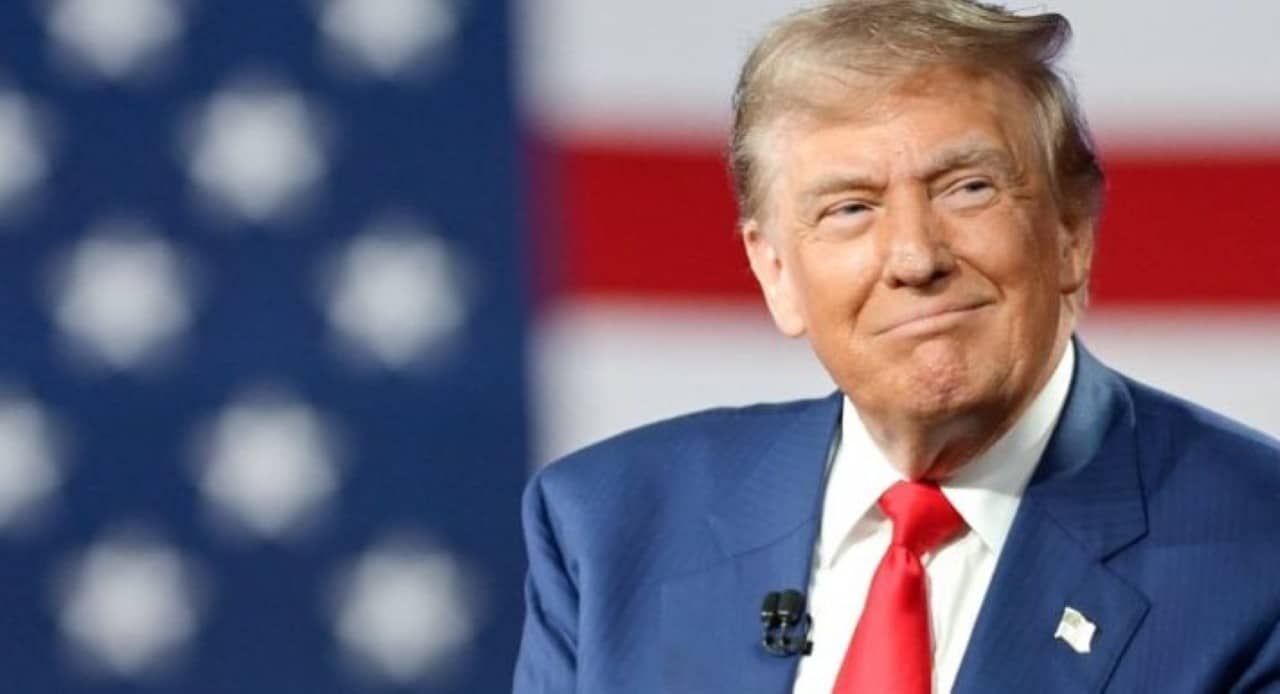 |
A milestone in international relations was set on Wednesday, April 30, 2025, with the signing of an agreement between the United States and Ukraine for the exploration of rare earths and other strategic minerals. The pact, negotiated over months of intense discussions, reflects the ambition of US President Donald Trump to reduce dependence on China, which dominates the global rare minerals market. Additionally, the agreement positions Ukraine as a strategic partner at a critical moment, as the country seeks reconstruction after years of war with Russia. The initiative also signals a new chapter in peace mediation in Eastern Europe, with the US taking a central role.
The treaty, signed in Washington, is seen as a diplomatic victory for Trump, who has pressed for greater control over strategic mineral resources since the start of his second term. For Ukraine, led by President Volodymyr Zelensky, the agreement offers a funding opportunity for rebuilding areas devastated by the conflict, though it has sparked domestic debates about the sovereignty of the country’s natural resources. Ukraine’s Economy Minister, Yulia Svyrydenko, highlighted the pact’s significance, stating it strengthens the partnership with the US without compromising Kyiv’s interests.
The exploration of minerals like lithium, titanium, and uranium, abundant in regions such as Donetsk and Luhansk, promises to transform Ukraine into a hub for critical resources for global industry. However, the location of many reserves in war-affected or Russian-occupied areas presents logistical and political challenges. The agreement also includes the creation of a joint fund to finance infrastructure projects, with 50% of exploration profits allocated to Ukrainian reconstruction, a point Zelensky emphasized as essential for the country’s economic recovery.
- Key points of the agreement:
- Preferential US access to 55 rare and strategic minerals.
- Creation of a reconstruction fund with 50% of exploration profits.
- 10-year validity, with the possibility of expanding the mineral list.
- Implicit US commitment to Ukraine’s stability, without formal security guarantees.

Geopolitical context of the agreement
The agreement’s signing comes at a time of shifting global alliances. Since the start of the Ukraine-Russia war in February 2022, the United States has provided billions of dollars in military and financial aid to Kyiv. Upon returning to the White House in January 2025, Trump adopted a more pragmatic stance, demanding concessions for continued support. The exploration of rare minerals emerged as a solution to offset US investments while reducing reliance on Chinese imports, which account for about 80% of rare minerals used by US industry.
Negotiations, however, were not without tensions. In February 2025, Trump and Zelensky had a public clash during a White House meeting, with the US president accusing the Ukrainian leader of being “disrespectful” and ungrateful for the aid received. Zelensky initially rejected Trump’s demands, which included access to $500 billion in mineral resources, arguing that the amount exceeded the value of the aid provided. Trump’s pressure to expedite the deal included a temporary suspension of military aid to Ukraine in March 2025, a move that drew criticism from European leaders and international analysts.
Despite the friction, the final version of the agreement was adjusted to meet Ukrainian demands, removing the clause requiring $500 billion in mineral revenues. The document also ensures that Ukraine retains control over which resources will be explored, a point Svyrydenko highlighted as a guarantee of sovereignty. The pact’s signing was celebrated as a step toward Ukraine’s economic stability but also raised concerns about American influence over the country’s future.
What are rare earths and their global relevance
Rare earths encompass a group of 17 chemical elements, such as scandium, yttrium, cerium, and praseodymium, which, despite the name, are not necessarily rare in the Earth’s crust. Their value lies in the difficulty of extraction and processing, which requires advanced technologies and significant investments. These minerals are essential for manufacturing high-tech components, including smartphones, electric vehicle batteries, wind turbines, medical equipment, and defense systems like missiles and radars.
In Ukraine, rare earth reserves are concentrated mainly in the east, in regions like Donetsk, Luhansk, and Dnipropetrovsk, which have suffered the war’s heaviest impacts. Besides rare earths, the country holds significant deposits of critical minerals, such as lithium, titanium, manganese, uranium, and graphite. Ukraine is estimated to possess about 5% of the world’s strategic material reserves, including 19 million tons of graphite and a third of Europe’s lithium reserves. These resources account for nearly half of Ukraine’s GDP and two-thirds of its exports, making the mineral sector a cornerstone of the national economy.
The importance of these minerals extends beyond Ukraine’s borders. China, which controls approximately 60% of global rare earth production and 90% of its processing capacity, exerts dominant influence over the market. This dependence concerns the United States and Europe, which seek to diversify their supply chains to ensure economic and technological security. If successful, the exploration of Ukrainian soils could reposition the US as a competitive player in the global market while strengthening Ukraine’s economy.
- Ukraine’s strategic minerals:
- Lithium: Essential for electric vehicle batteries, with estimated reserves of 450,000 tons.
- Titanium: Used in aircraft, power plants, and armaments, with Ukraine producing 7% of the global total before the war.
- Graphite: Critical for batteries and green technologies, with 19 million tons in proven reserves.
- Uranium: Important for nuclear energy, present in significant deposits in the east.
Challenges of exploration in wartime
The Ukraine-Russia war, which began in 2022, has significantly complicated access to the country’s mineral reserves. About 70% of strategic mineral deposits are located in areas like Donetsk, Luhansk, and Dnipro, many of which have been invaded or are under Russian occupation. Resources worth an estimated $350 billion are in Moscow-controlled territories, including lithium deposits in Shevchenkivske and Kruta Balka. This reality imposes logistical and security barriers to exploration, which will require massive investments in infrastructure and technology.
Moreover, available geological studies on Ukrainian reserves are considered inadequate, many based on Soviet-era data. Experts warn that, while the country’s mineral potential is promising, only a fraction of identified deposits may be economically viable. The lack of clarity about resource accessibility poses a risk for American investors, who will need to conduct new geological surveys to map reserves accurately.
Political instability is also a concern. Although the agreement does not include explicit security guarantees, the White House argues that the US investment in Ukraine creates an implicit interest in the country’s defense. This logic, however, is viewed skeptically by some analysts, who point to Trump’s reluctance to commit additional troops or military resources. The possibility of new Russian attacks on mining areas remains a significant risk, especially given the proximity of many reserves to the frontline.
Economic impacts for Ukraine
The creation of a joint reconstruction fund is a cornerstone of the US-Ukraine agreement. With 50% of exploration profits and royalties allocated to infrastructure projects, the fund promises to inject significant resources into Ukraine’s economy. War-devastated regions like Donetsk and Luhansk could benefit from investments in roads, schools, hospitals, and energy networks, essential for resuming economic development.
Yulia Svyrydenko, Ukraine’s Economy Minister, emphasized that the fund will be managed in partnership with the US, ensuring transparency and alignment with Kyiv’s priorities. The initiative also opens doors for American companies to participate in extraction and processing operations, potentially generating jobs and technology transfers for Ukraine. However, reliance on foreign investment raises concerns about the country’s autonomy in managing its natural resources.
For Ukraine, the agreement represents an opportunity to diversify its economy, severely impacted by the war. Before the conflict, the mineral sector accounted for a significant portion of the country’s exports, but infrastructure destruction and territorial occupation drastically reduced exploration capacity. With US support, Kyiv hopes to resume production in secure areas, such as the Kyiv, Vinnytsia, and Zhytomyr regions, where promising deposits remain under Ukrainian control.
Trump’s strategy to reduce China dependence
Trump’s central motivation for the agreement is reducing US dependence on China, which dominates the global rare earths market. With 80% of rare minerals used by US industry imported from the Asian powerhouse, the country’s economic and technological vulnerability is a growing concern. Minerals like lithium, graphite, and cobalt are indispensable for the energy transition and advanced technology production, making control of these supply chains a strategic priority.
The agreement with Ukraine positions the US as a stronger competitor in the global market while enhancing its geopolitical influence in Eastern Europe. Trump has expressed interest in exploring mineral resources in other regions, such as Greenland, but Ukraine offers an immediate opportunity due to its abundant deposits and urgent need for economic support. The exploration of Ukrainian soils could lower production costs for American companies, boosting the competitiveness of technological products in the global market.
Additionally, the pact reflects Trump’s vision of turning international aid into investments with financial returns. During negotiations, the US president insisted that Ukraine should “repay” the billions of dollars provided in military and financial aid since 2022. Although the final agreement dropped the $500 billion mineral revenue requirement, the US share in exploration profits ensures a significant long-term return.
- Strategic benefits for the US:
- Reduced dependence on Chinese rare mineral imports.
- Strengthened US influence in Eastern Europe.
- Preferential access to critical resources for technology and defense industries.
- Financial returns through shared exploration profits with Ukraine.
Peace negotiations and the US role
Since the start of his second term, Trump has positioned himself as a mediator in the Ukraine-Russia war. The minerals agreement is seen as a key component of his strategy to promote regional stability while protecting US interests. The White House argues that the investment in Ukraine creates an economic incentive for peace, as the continuation of the war could jeopardize mining operations.
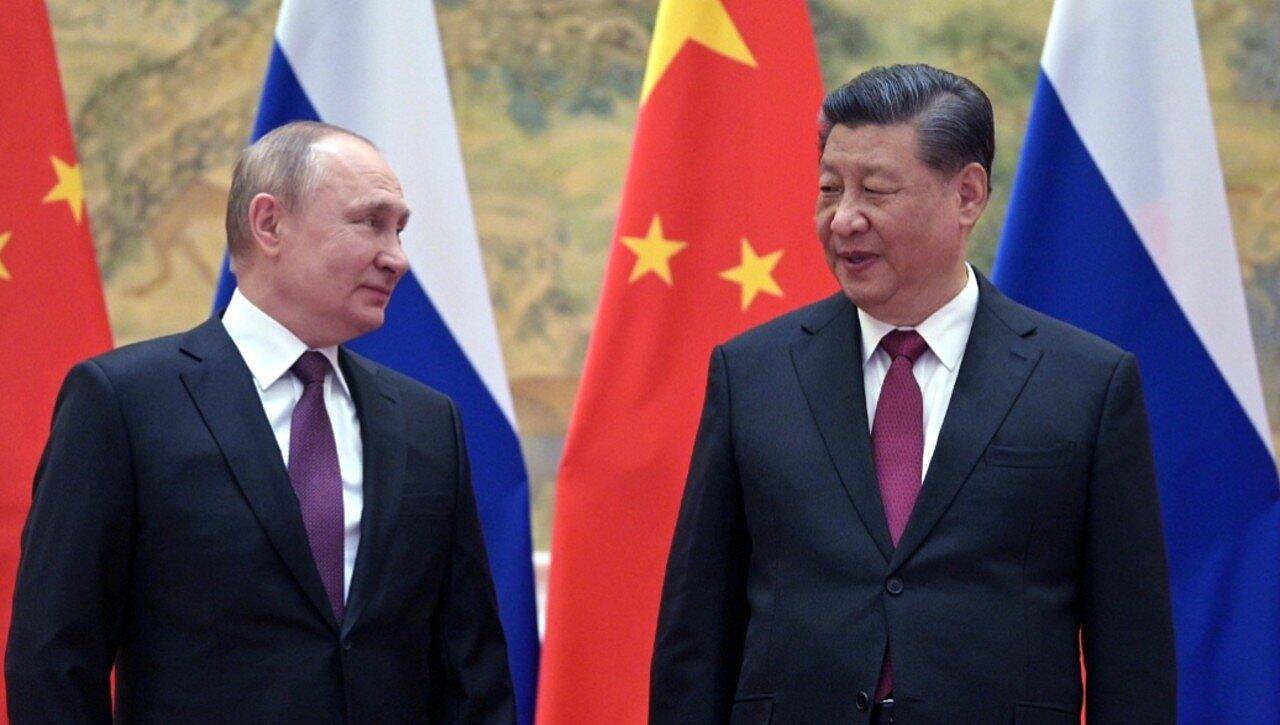
However, peace negotiations face significant obstacles. Trump expressed frustration with Russia’s reluctance to engage in talks, particularly after a missile attack on Ukraine in April 2025. Russian President Vladimir Putin, meanwhile, signaled openness to cooperating with the US on mineral exploration, including in occupied territories, raising alarm in Kyiv and among European allies. The possibility of bilateral US-Russia agreements without Ukraine’s involvement is a growing concern for Zelensky.
European leaders, such as UK Prime Minister Keir Starmer and French President Emmanuel Macron, have advocated for Europe’s inclusion in peace talks. Proposals for deploying European peacekeeping troops to Ukraine have gained traction, but Trump has ruled out any direct US military commitment. The absence of formal security guarantees in the minerals agreement heightens fears that Ukraine could remain vulnerable to new conflicts.
Prospects for Ukraine’s reconstruction
Rebuilding Ukraine is one of the greatest challenges facing Zelensky’s government. The war has destroyed critical infrastructure, displaced millions, and devastated the economy. The reconstruction fund created by the US agreement represents a vital funding source, but its success will depend on Kyiv’s ability to manage resources effectively.
Initial projects are expected to focus on secure areas, such as the Kyiv and Vinnytsia regions, where mineral exploration can proceed without immediate risks. The partnership with American companies could also attract additional investments from other countries, particularly Europe, which seeks to reduce its own reliance on Chinese minerals. However, rebuilding occupied or frontline-adjacent areas will require a lasting ceasefire, which remains uncertain.
Zelensky emphasized that the agreement does not compromise Ukraine’s EU accession process, a long-term priority for the country. Integration with the EU could facilitate access to European technologies and markets, amplifying the economic benefits of mineral exploration. However, reliance on US investments and Washington’s influence over the reconstruction fund raises questions about Ukraine’s autonomy.
Mineral exploration timeline
The agreement establishes an initial timeline for implementing mining operations, though deadlines are flexible due to conflict-related uncertainties. Below are the key projected milestones:
- 2025: Start of geological surveys in secure areas, such as Kyiv and Zhytomyr.
- 2026: Construction of infrastructure for lithium and graphite extraction in Ukrainian-controlled regions.
- 2027: First exports of processed minerals to the US and Europe.
- 2030: Assessment of the reconstruction fund’s economic impact and potential agreement expansion.
Global implications of the agreement
The US-Ukraine agreement has implications far beyond Eastern Europe. Diversifying rare mineral supply chains is a priority for advanced economies, especially amid rising demand for green technologies. The UN estimates that the need for minerals like lithium and cobalt will triple by 2030 to meet clean energy goals, making Ukraine a strategic player in this scenario.
For the US, the pact reinforces Trump’s leadership in an economic sovereignty agenda, aligned with his promise to strengthen American industry. Reducing reliance on China could boost sectors like electric vehicle production and armaments manufacturing, solidifying the US position in the global market. However, the agreement’s success will depend on overcoming logistical and political challenges in Ukraine.
In Europe, the agreement is viewed with a mix of optimism and caution. Countries like Germany and France, also seeking to diversify mineral sources, could benefit from Ukrainian exploration but fear that US influence in the region may limit their autonomy. The proposal for a European peacekeeping force reflects the continent’s effort to remain relevant in negotiations and ensure Ukraine’s stability.
Future of the US-Ukraine partnership
The partnership established by the minerals agreement marks a new chapter in Washington-Kyiv relations. For Trump, the pact demonstrates his ability to blend economic and geopolitical interests, while for Zelensky, it offers a chance to rebuild Ukraine without sacrificing sovereignty. The absence of formal security guarantees, however, remains a sensitive issue, particularly amid uncertainties about the war’s future.
The next steps will depend on the ability of both countries to implement the agreement effectively. Conducting new geological surveys, investing in infrastructure, and ensuring security in mining areas will be critical to the initiative’s success. Additionally, involving other partners, such as the EU, could amplify economic benefits and reinforce regional stability.
The reconstruction fund, jointly managed by the US and Ukraine, will be a test of transparency and cooperation between the two governments. Successful projects could attract further foreign investment, while mismanagement could fuel criticism of US influence. For the Ukrainian population, enduring the impacts of years of war, the agreement offers hope for recovery but demands vigilance to ensure benefits are distributed equitably.
- Prospects for Ukraine:
- Job creation through mineral exploration.
- Infrastructure funding for war-devastated areas.
- Economic strengthening through mineral exports.
- Risks of over-reliance on US investments.