
Johnson leads GOP budget slashing Medicaid to extend tax breaks

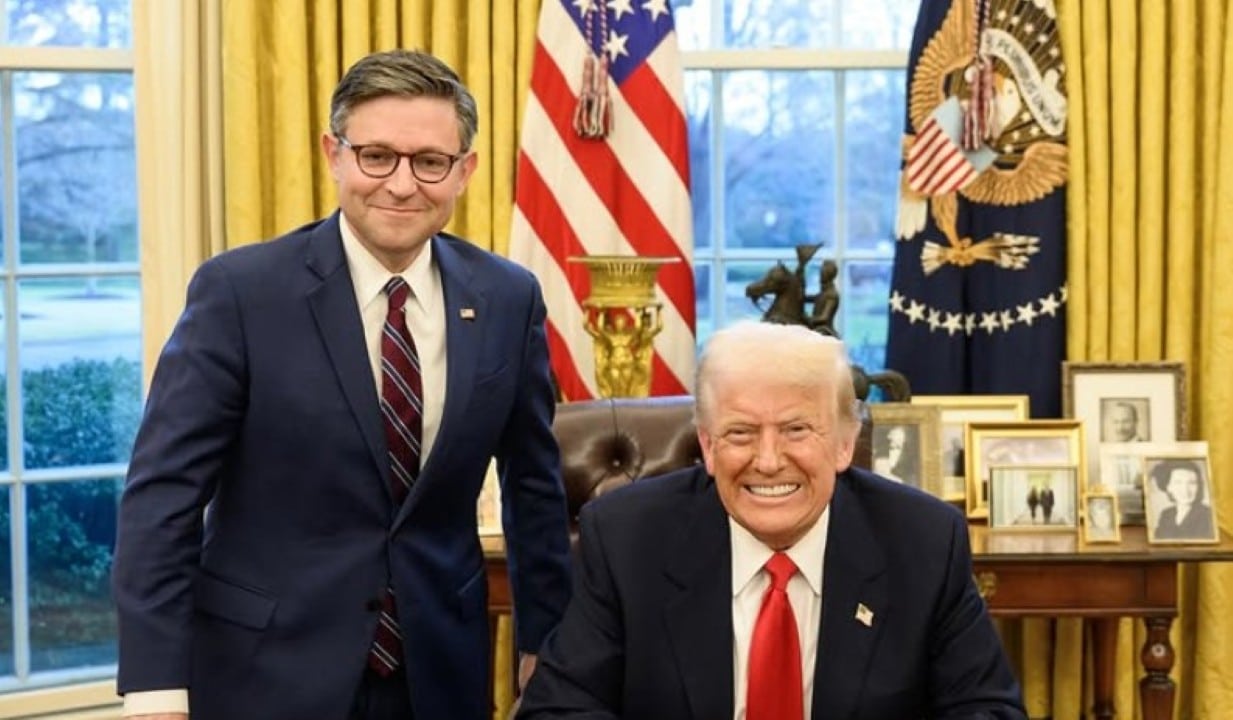
The U.S. healthcare system stands at a critical juncture. The House of Representatives, under Republican control, has approved a budget plan that includes significant cuts to Medicaid, the program providing medical assistance to millions of low-income Americans and those with disabilities. Spearheaded by House Speaker Mike Johnson, the proposal aims to finance an ambitious tax cut agenda aligned with President Donald Trump’s priorities. However, the decision has sparked divisions within the Republican Party and reignited debates over the future of public health.
Political tensions in Washington have escalated in recent months. The House vote, held in April 2025, marked a pivotal step for the Republican agenda but exposed rifts between conservative and moderate lawmakers. While some advocate for deep cuts to balance the budget, others warn of the consequences for vulnerable communities.
The figures underscore the scale of the proposal:
- Up to $880 billion in Medicaid cuts over a decade.
- Extension of 2017 tax cuts, costing an estimated $4.5 trillion.
- Goal to reduce federal spending by $2 trillion.
The focus now shifts to the Senate, where resistance from some Republicans could complicate the plan’s passage. With Medicaid covering approximately 72 million people, the outcome of this debate could reshape U.S. healthcare policy.
Internal Republican divisions
The Medicaid cuts have triggered significant friction within the Republican Party. In the House, Johnson faced pushback from conservative lawmakers demanding even steeper reductions. After intense negotiations, he secured passage with a narrow 216-214 vote. Two Republicans voted against the plan, signaling unease with the party’s direction.
In the Senate, the situation remains precarious. Senators like Jerry Moran of Kansas have raised concerns about the cuts’ impact on rural areas, where hospitals rely heavily on Medicaid funding. Moran noted that such reductions could jeopardize healthcare infrastructure in already underserved communities.
- Rural areas: Hospitals risk closure without Medicaid support.
- Vulnerable groups: Poor children, pregnant women, and nursing home residents face the greatest impact.
- Senate resistance: At least two Republican senators have signaled opposition to the cuts.
The internal pressure highlights the challenge of balancing Trump’s campaign promises with political realities. While the conservative base demands aggressive fiscal measures, Republicans in states heavily reliant on Medicaid fear voter backlash.
Democratic response to the proposal
Democrats have seized the opportunity to criticize the Republican plan. House Minority Leader Hakeem Jeffries accused Republicans of prioritizing tax breaks for the wealthy over the health of millions. The Democratic strategy echoes their 2018 campaign, when defending the Affordable Care Act (Obamacare) led to significant electoral gains.
In public events, Democratic lawmakers have held hearings in districts where Medicaid is critical. In Bakersfield, California, one such hearing revealed that nearly two-thirds of the local population relies on the program. The message was unmistakable: Medicaid cuts could prove politically costly for Republicans.
Social media has amplified the opposition. Posts from activist groups and Democratic figures, such as @TeamPelosi and @DisavowTrump20, have warned of the risk of millions losing healthcare coverage. This online mobilization reinforces the narrative that the Republican plan favors the wealthy at the expense of the poor.
State-level implications
Medicaid’s structure, which combines federal and state funding, makes the proposed cuts particularly complex. A reduction in federal contributions would force states to cover the shortfall, cut services, or restrict eligibility. States that expanded Medicaid under Obamacare, such as Missouri and Oklahoma, face additional challenges due to constitutional amendments mandating program continuation.
In Missouri, for instance, the state constitution requires maintaining Medicaid expansion, approved by referendum in 2020. Without federal funding, the state would need to find billions in local resources or cut other essential services, such as education or infrastructure.
State challenges include:
- Tax increases: An unpopular option to offset lost federal funds.
- Coverage reductions: Millions of low-income adults could lose access to care.
- Clinic closures: Rural areas would be hit hardest by resource shortages.
- Political pressure: Republican governors fear voter backlash.
The proposal to lower federal contributions for Medicaid expansion from 90% could save $560 billion over a decade but threatens Obamacare’s framework. Ten states have laws that automatically reverse expansion if federal funding drops, potentially exacerbating the public health crisis.
High-dependency regions
Certain congressional districts illustrate the stakes. In Louisiana, Mike Johnson’s own district has 33% of its residents enrolled in Medicaid. In California’s Central Valley, David Valadao’s district sees two-thirds of its population relying on the program. These figures underscore the political risks for Republicans in areas where Medicaid is a cornerstone of local healthcare.
Federal data highlights Medicaid’s reach:
- 41% of U.S. births are covered.
- 63% of nursing home residents depend on it.
- 80% of low-income children are enrolled.
- 59% of children with disabilities receive care through the program.
These priority groups are protected by law from direct budget cuts. However, reducing funds for Medicaid expansion, which covers adults earning up to $21,000 annually, could exclude millions from coverage. Proposals to impose work requirements for these beneficiaries, while popular, would save only $100 billion—far short of Republican targets.
Trump’s promises and contradictions
President Trump has publicly opposed Medicaid cuts. In a February 2025 Fox News interview, he vowed to protect Medicaid, Medicare, and Social Security. This stance conflicts with the House plan, which relies on substantial Medicaid reductions to fund the promised $4.5 trillion tax cuts.
Sources close to Trump suggest he is skeptical of deep cuts. In discussions with aides, he expressed concern about public perceptions of harm to the program. During a Michigan rally, Trump tailored his message, pledging to safeguard Medicaid for “the most vulnerable,” including children, pregnant women, and people with disabilities.
The White House is exploring alternatives to avoid direct cuts. One proposal under review is the “most favored nation” drug pricing policy, tying government-paid drug prices to the lowest rates abroad. Championed by Trump in his first term, the measure faces resistance from congressional Republicans and the pharmaceutical industry.
Historical attempts at Medicaid reform
Debates over Medicaid are not new. During Trump’s first term, Republicans sought to impose work requirements and scale back Obamacare’s expansion but faced legal and political hurdles. In 2017, an effort to repeal the Affordable Care Act failed in the Senate, partly due to poor coordination between Trump and congressional leaders.
Johnson, aware of this history, has prioritized close communication with the White House. He holds daily calls with Trump and maintains regular contact with key allies, including Chief of Staff Susie Wiles and Vice President JD Vance. The approach aims to avoid the missteps of 2017 and secure executive support for the budget plan.
Past reform efforts included:
- Work requirements: 2018 proposals to cut $100 billion and exclude 600,000 beneficiaries.
- Funding caps: Plans to set per-beneficiary limits, reducing state flexibility.
- Fraud reviews: Measures to remove ineligible beneficiaries, such as undocumented immigrants.
Despite these efforts, Medicaid has grown into one of the world’s largest public health insurance programs, covering one-fifth of the U.S. population.
Pressure from interest groups
Hospitals, medical associations, and patient advocacy groups have mobilized against the proposed cuts. The American Hospital Association warned that reduced funding could lead to closures of healthcare facilities in rural and low-income urban areas. The AARP, representing seniors, emphasized the impact on nursing home residents, many of whom rely on Medicaid for long-term care.
Activists have also targeted lawmakers in vulnerable districts. Letters to Johnson from members of the Congressional Hispanic Conference, a Republican group, cautioned that cuts would disproportionately harm Latino and rural communities. Public support for Medicaid remains strong, with 98% of Democrats and 94% of Republicans viewing the program as vital, according to a KFF survey.
Alternative funding options
To fund the tax cuts, Republicans are exploring alternatives to Medicaid reductions. The House circulated a document with over 200 proposals, including a 10% tariff on imports, projected to raise $1.9 trillion over a decade. Another idea is taxing corporate benefits like free gym memberships, though this would save only $20 billion.
These alternatives face significant opposition. Tariffs could raise consumer prices, while revising tax benefits draws pushback from businesses. As a result, Medicaid cuts remain the most feasible option to meet budgetary goals, despite the controversy.
Urban and rural vulnerabilities
The proposed cuts threaten both rural and urban areas. Cities like New York and Los Angeles, with large low-income populations, could see hospitals reduce services or close specialized units. In New York, Medicaid covers 21% of residents, including 48% of low-income adults.
Regional disparities compound the issue. States like West Virginia and Alaska, with high Medicaid enrollment, face significant funding losses. Even in Republican-represented districts, such as those of Ritchie Torres and David Valadao, the program’s importance creates political risks.
Recent decision timeline
Budget discussions moved swiftly in 2025. The House passed an initial resolution in February, followed by a revised plan in April. The Senate approved its version in early April after an overnight session, with only two Republicans voting against it.
Next steps include:
- Reconciliation: House and Senate must align their proposals.
- Final drafting: The detailed bill outlining cuts will be prepared by late 2025.
- Final vote: Congress must approve the package before the 2017 tax cuts expire.
The reconciliation process, allowing Senate passage with a simple majority, is critical for Republicans, who hold a slim congressional majority. Any internal dissent could derail Trump’s agenda.
Public and political mobilization
Public opposition to Medicaid cuts has intensified in 2025. Grassroots movements and healthcare unions have organized protests in state capitals, demanding sustained funding. In Washington, public hearings brought together patients, doctors, and hospital administrators to share stories of the program’s importance.
Politically, Democrats see an opportunity to regain ground. Their narrative—that Republicans are sacrificing public health for the wealthy—resonates in competitive districts. Grassroots efforts, amplified on platforms like X, keep the issue prominent in national discourse.





