
Meet all the popes: the complete history of the 266 pontiffs of the Catholic Church

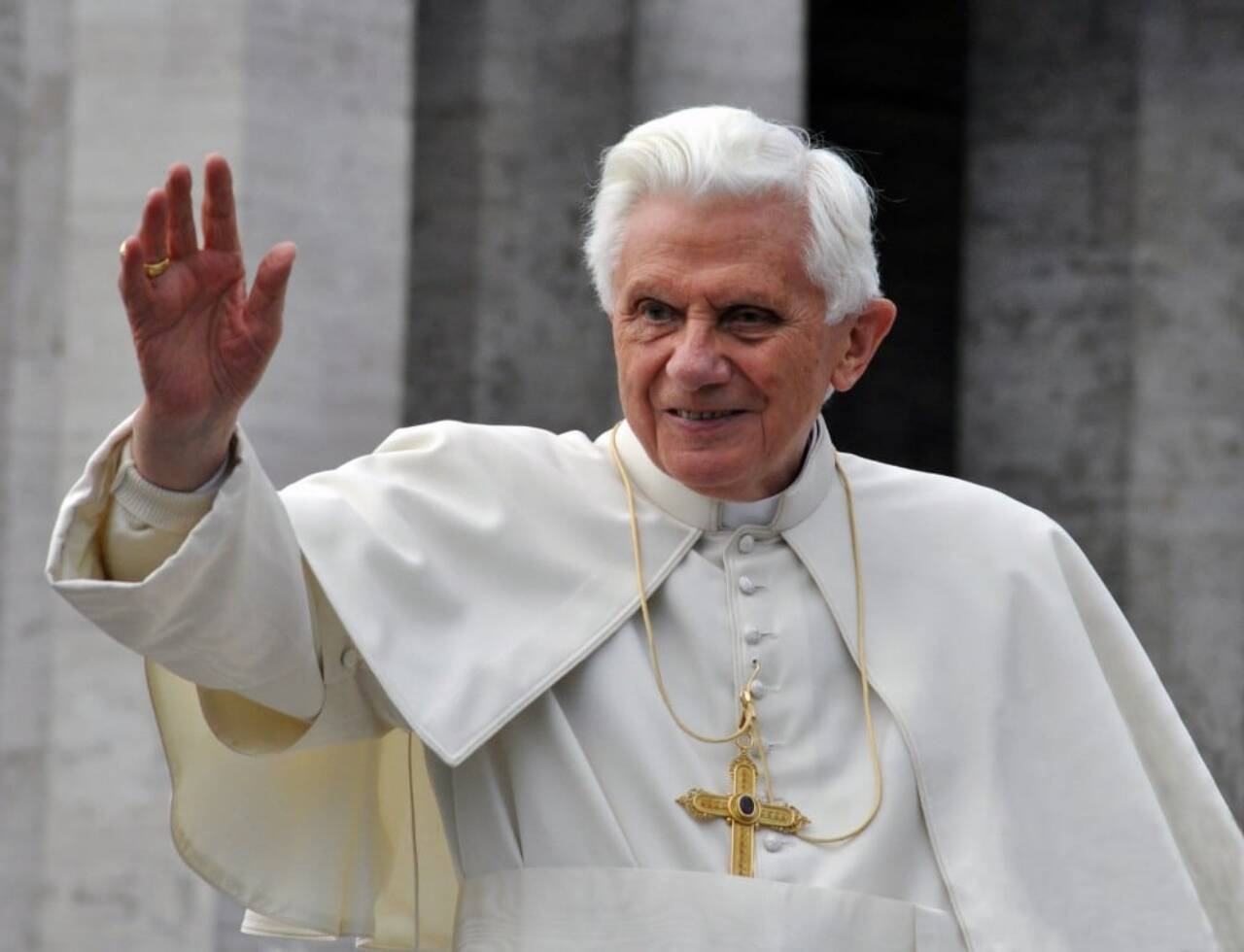
St. Peter, an apostle of Jesus Christ, began the papal succession in 33, launching a lineage of 266 pontiffs that culminated with Francis, whose papacy ended in April 2025. The history of the Catholic Church mirrors the actions of these leaders, who navigated persecutions, reforms, and global transformations. Each pope, with distinct challenges and styles, contributed to the institution’s continuity. This article details all popes, exploring key historical moments and unique facts.
The papal leadership spans centuries, from the Roman Empire to the modern era. Some pontiffs, like Leo XIII, ruled for decades, while others, like John Paul I, had brief tenures. The Conclave, the ritual for electing popes, upholds this enduring tradition. Here are some initial highlights:
- St. Peter, martyred in Rome, is the foundation of apostolic succession.
- Benedict IX, uniquely serving three times, marked history with resignations.
- Francis, the first Jesuit pope, led for 12 years.
- 135 cardinals, including seven Brazilians, will elect the next pope.
The complete list of popes, presented later, reveals the diversity and complexity of this lineage. From early martyrs to modern global leaders, each name carries a unique story.
Origins of the papacy
St. Peter, recognized as the first pope, led the Church from 33 to 67, establishing Rome as the center of Christianity. Tradition holds he was martyred under Emperor Nero. His successors, such as St. Linus (67-76) and St. Anacletus (76-88), faced persecutions but solidified the Church’s structure.
St. Clement I, from 88 to 97, is known for his letter to the Corinthian Church, resolving disputes and asserting papal authority. These early popes, often martyrs, shaped the Church in a hostile environment, ensuring its survival.
Popes of the early centuries
The pontiffs of the first centuries tackled challenges like heresies and internal divisions. St. Victor I, from 189 to 199, the first African pope, unified the date of Easter, reinforcing liturgical coherence. St. Callistus I, from 217 to 222, organized the Church in Rome despite opposition.
- St. Sixtus II, martyred in 258, led under Roman persecutions.
- St. Dionysius, from 259 to 268, rebuilt the Church after crises.
- St. Felix I, from 269 to 274, combated doctrinal heresies.
- St. Caius, from 283 to 296, governed in relative stability.
These leaders strengthened the Church during a transitional period, preparing it for official recognition in the Roman Empire.
Rise of papal power
With Christianity’s legalization in the 4th century, popes gained influence. St. Sylvester I, from 314 to 335, led during the Council of Nicaea, which defined core Christian doctrines. St. Leo the Great, from 440 to 461, negotiated with barbarian invaders, sparing Rome from sacks.
St. Gregory I, from 590 to 604, known as Gregory the Great, reformed the liturgy and sent missionaries to Europe. His papacy marked the transition to the Middle Ages, with the Church taking on political roles.
Complete list of popes
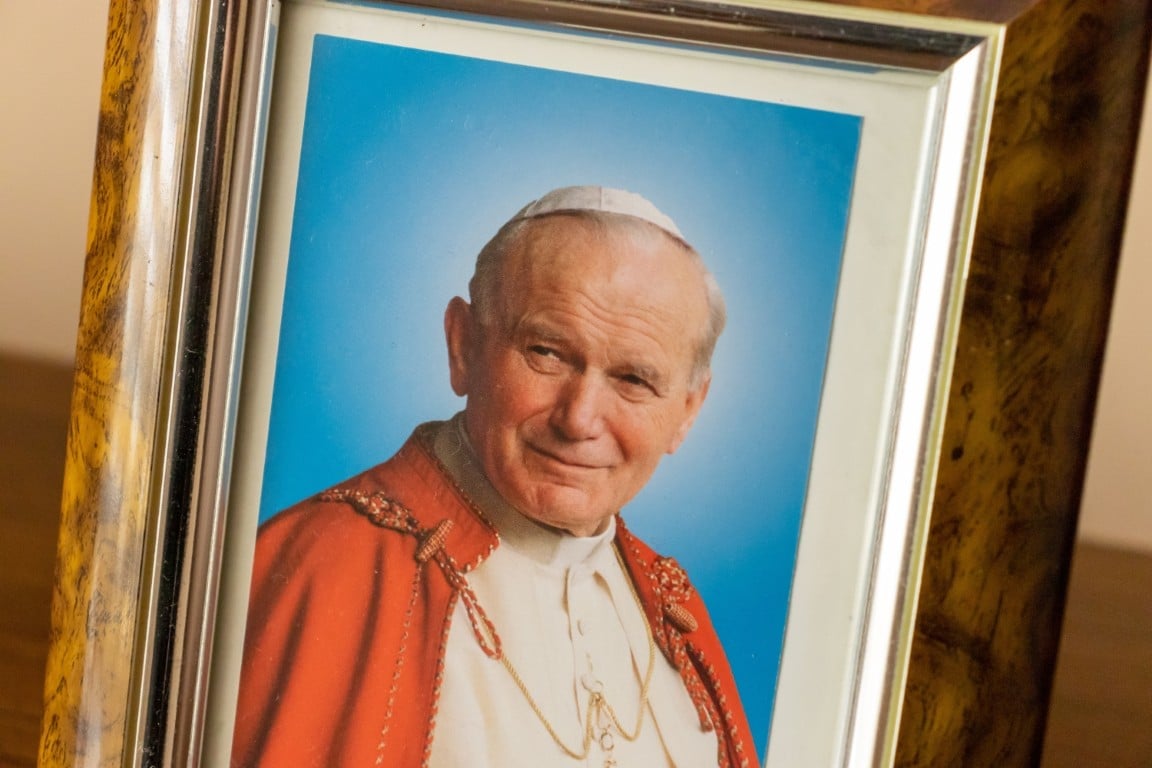
Below is the full list of all 266 popes, from St. Peter to Francis, with their periods of leadership:
- St. Peter (33 to 67)
- St. Linus (67 to 76)
- St. Anacletus (76 to 88)
- St. Clement I (88 to 97)
- St. Evaristus (97 to 105)
- St. Alexander I (105 to 115)
- St. Sixtus I (115 to 125)
- St. Telesphorus (125 to 136)
- St. Hyginus (136 to 140)
- St. Pius I (140 to 154)
- St. Anicetus (155 to 166)
- St. Soter (166 to 174)
- St. Eleutherius (174 to 189)
- St. Victor I (189 to 199)
- St. Zephyrinus (199 to 217)
- St. Callistus I (217 to 222)
- St. Urban I (222 to 230)
- St. Pontian (230 to 235)
- St. Anterus (235 to 236)
- St. Fabian (236 to 250)
- St. Cornelius (251 to 253)
- St. Lucius I (253 to 254)
- St. Stephen I (254 to 257)
- St. Sixtus II (257 to 258)
- St. Dionysius (259 to 268)
- St. Felix I (269 to 274)
- St. Eutychian (275 to 283)
- St. Caius (283 to 296)
- St. Marcellinus (296 to 304)
- St. Marcellus I (308 to 309)
- St. Eusebius (309 to 310)
- St. Miltiades (311 to 314)
- St. Sylvester I (314 to 335)
- St. Mark (336)
- St. Julius I (337 to 352)
- Liberius (352 to 366)
- St. Damasus I (366 to 384)
- St. Siricius (384 to 399)
- St. Anastasius I (399 to 401)
- St. Innocent I (401 to 417)
- St. Zosimus (417 to 418)
- St. Boniface I (418 to 422)
- St. Celestine I (422 to 432)
- St. Sixtus III (432 to 440)
- St. Leo the Great (440 to 461)
- St. Hilarius (461 to 468)
- St. Simplicius (468 to 483)
- St. Felix III (II) (483 to 492)
- St. Gelasius I (492 to 496)
- Anastasius II (496 to 498)
- St. Symmachus (498 to 514)
- St. Hormisdas (514 to 523)
- St. John I (523 to 526)
- St. Felix IV (III) (526 to 530)
- Boniface II (530 to 532)
- John II (533 to 535)
- St. Agapetus I (535 to 536)
- St. Silverius (536 to 537)
- Vigilius (537 to 555)
- Pelagius I (556 to 561)
- John III (561 to 574)
- Benedict I (575 to 579)
- Pelagius II (579 to 590)
- St. Gregory I (590 to 604)
- Sabinian (604 to 607)
- Boniface III (607 to 608)
- St. Boniface IV (608 to 615)
- St. Adeodatus I (615 to 618)
- Boniface V (619 to 625)
- Honorius I (625 to 638)
- Severinus (640)
- John IV (640 to 642)
- Theodore I (642 to 649)
- St. Martin I (649 to 655)
- St. Eugene I (655 to 657)
- St. Vitalian (657 to 672)
- Adeodatus II (672 to 676)
- Donus (676 to 678)
- St. Agatho (678 to 681)
- St. Leo II (682 to 683)
- St. Benedict II (684 to 685)
- John V (685 to 686)
- Conon (686 to 687)
- St. Sergius I (687 to 701)
- John VI (701 to 705)
- John VII (705 to 707)
- Sisinnius (707 to 708)
- Constantine I (708 to 715)
- St. Gregory II (715 to 731)
- St. Gregory III (731 to 741)
- St. Zachary (741 to 752)
- Stephen II (752 to 757)
- St. Paul I (757 to 767)
- Stephen III (768 to 772)
- Adrian I (772 to 795)
- St. Leo III (795 to 816)
- Stephen IV (816 to 817)
- St. Paschal I (817 to 824)
- Eugene II (824 to 827)
- Valentine I (827)
- Gregory IV (827 to 844)
- Sergius II (844 to 847)
- St. Leo IV (847 to 855)
- Benedict III (855 to 858)
- St. Nicholas I (858 to 867)
- Adrian II (867 to 872)
- John VIII (872 to 882)
- Marinus I (882 to 884)
- St. Adrian III (884 to 885)
- Stephen V (885 to 891)
- Formosus (891 to 896)
- Boniface VI (896)
- Stephen VI (896 to 897)
- Romanus (897)
- Theodore II (897)
- John IX (898 to 900)
- Benedict IV (900 to 903)
- Leo V (903)
- Sergius III (904 to 911)
- Anastasius III (911 to 913)
- Lando (913 to 914)
- John X (914 to 928)
- Leo VI (928)
- Stephen VII (929 to 931)
- John XI (931 to 935)
- Leo VII (936 to 939)
- Stephen VIII (939 to 942)
- Marinus II (942 to 946)
- Agapetus II (946 to 955)
- John XII (955 to 964)
- Leo VIII (964 to 965)
- Benedict V (965)
- John XIII (965 to 972)
- Benedict VI (973 to 974)
- Benedict VII (974 to 983)
- John XIV (983 to 984)
- John XV (984 to 996)
- Gregory V (996 to 999)
- Sylvester II (999 to 1003)
- John XVII (1003)
- John XVIII (1003 to 1009)
- Sergius IV (1009 to 1012)
- Benedict VIII (1012 to 1024)
- John XIX (1024 to 1032)
- Benedict IX (1032 to 1044)
- Sylvester III (1044)
- Benedict IX (2nd time) (1045)
- Gregory VI (1045 to 1046)
- Clement II (1046 to 1047)
- Benedict IX (3rd time) (1047 to 1048)
- Damasus II (1048)
- St. Leo IX (1049 to 1054)
- Victor II (1055 to 1057)
- Stephen IX (1057 to 1058)
- Nicholas II (1059 to 1061)
- Alexander II (1061 to 1073)
- St. Gregory VII (1073 to 1085)
- Blessed Victor III (1086 to 1087)
- Blessed Urban II (1088 to 1099)
- Paschal II (1099 to 1118)
- Gelasius II (1118 to 1119)
- Callistus II (1119 to 1124)
- Honorius II (1124 to 1130)
- Innocent II (1130 to 1143)
- Celestine II (1143 to 1144)
- Lucius II (1144 to 1145)
- Blessed Eugene III (1145 to 1153)
- Anastasius IV (1153 to 1154)
- Adrian IV (1154 to 1159)
- Alexander III (1159 to 1181)
- Lucius III (1181 to 1185)
- Urban III (1185 to 1187)
- Gregory VIII (1187)
- Clement III (1187 to 1191)
- Celestine III (1191 to 1198)
- Innocent III (1198 to 1216)
- Honorius III (1216 to 1227)
- Gregory IX (1227 to 1241)
- Celestine IV (1241)
- Innocent IV (1243 to 1254)
- Alexander IV (1254 to 1261)
- Urban IV (1261 to 1264)
- Clement IV (1265 to 1268)
- Blessed Gregory X (1271 to 1276)
- Blessed Innocent V (1276)
- Adrian V (1276)
- John XXI (1276 to 1277)
- Nicholas III (1277 to 1280)
- Martin IV (1281 to 1285)
- Honorius IV (1286 to 1287)
- Nicholas IV (1288 to 1292)
- St. Celestine V (1293 to 1294)
- Boniface VIII (1294 to 1303)
- Blessed Benedict XI (1303 to 1304)
- Clement V (1305 to 1314)
- John XXII (1316 to 1334)
- Benedict XII (1334 to 1342)
- Clement VI (1342 to 1352)
- Innocent VI (1352 to 1362)
- Blessed Urban V (1362 to 1370)
- Gregory XI (1370 to 1378)
- Urban VI (1378 to 1389)
- Boniface IX (1389 to 1404)
- Innocent VII (1404 to 1406)
- Gregory XII (1406 to 1415)
- Martin V (1417 to 1431)
- Eugene IV (1431 to 1447)
- Nicholas V (1447 to 1455)
- Callistus III (1455 to 1458)
- Pius II (1458 to 1464)
- Paul II (1464 to 1471)
- Sixtus IV (1471 to 1484)
- Innocent VIII (1484 to 1492)
- Alexander VI (1492 to 1503)
- Pius III (1503)
- Julius II (1503 to 1513)
- Leo X (1513 to 1521)
- Adrian VI (1522 to 1523)
- Clement VII (1523 to 1534)
- Paul III (1534 to 1549)
- Julius III (1550 to 1555)
- Marcellus II (1555)
- Paul IV (1555 to 1559)
- Pius IV (1559 to 1565)
- St. Pius V (1566 to 1572)
- Gregory XIII (1572 to 1585)
- Sixtus V (1585 to 1590)
- Urban VII (1590)
- Gregory XIV (1590 to 1591)
- Innocent IX (1591)
- Clement VIII (1592 to 1605)
- Leo XI (1605)
- Paul V (1605 to 1621)
- Gregory XV (1621 to 1623)
- Urban VIII (1623 to 1644)
- Innocent X (1644 to 1655)
- Alexander VII (1655 to 1667)
- Clement IX (1667 to 1669)
- Clement X (1670 to 1676)
- Blessed Innocent XI (1676 to 1689)
- Alexander VIII (1689 to 1691)
- Innocent XII (1691 to 1700)
- Clement XI (1700 to 1721)
- Innocent XIII (1721 to 1724)
- Benedict XIII (1724 to 1730)
- Clement XII (1730 to 1740)
- Benedict XIV (1740 to 1758)
- Clement XIII (1758 to 1769)
- Clement XIV (1769 to 1774)
- Pius VI (1775 to 1799)
- Pius VII (1800 to 1823)
- Leo XII (1823 to 1829)
- Pius VIII (1829 to 1830)
- Gregory XVI (1831 to 1846)
- Pius IX (1846 to 1878)
- Leo XIII (1878 to 1903)
- St. Pius X (1903 to 1914)
- Benedict XV (1914 to 1922)
- Pius XI (1922 to 1939)
- Pius XII (1939 to 1958)
- John XXIII (1958 to 1963)
- Paul VI (1963 to 1978)
- John Paul I (1978)
- John Paul II (1978 to 2005)
- Benedict XVI (2005 to 2013)
- Francis (2013 to 2025)
Medieval popes and political struggles
In the Middle Ages, popes solidified their political power. St. Gregory VII, from 1073 to 1085, led the Gregorian Reform, clashing with Emperor Henry IV over investitures. Innocent III, from 1198 to 1216, wielded authority over kings, calling crusades and councils.
The era also saw crises. The Western Schism, from 1378 to 1417, split the Church with rival popes. Martin V, from 1417 to 1431, restored unity, ending the conflict.
- Boniface VIII, from 1294 to 1303, clashed with the French king.
- Clement V, from 1305 to 1314, moved the papacy to Avignon.
- Gregory XI, from 1370 to 1378, returned it to Rome.
Renaissance and cultural transformations
The Renaissance saw popes blending faith and art. Julius II, from 1503 to 1513, commissioned Michelangelo’s Sistine Chapel frescoes. Alexander VI, from 1492 to 1503, despite controversies, supported cultural flourishing.
The Protestant Reformation challenged the Church in the 16th century. Paul III, from 1534 to 1549, launched the Counter-Reformation, calling the Council of Trent. St. Pius V, from 1566 to 1572, enforced its reforms, strengthening Catholic doctrine.
Popes in the modern world
In the 19th century, Pius IX, from 1846 to 1878, faced Italian unification, losing the Papal States. Leo XIII, from 1878 to 1903, issued Rerum Novarum, addressing labor issues.
In the 20th century, John XXIII, from 1958 to 1963, called Vatican II, modernizing the Church. John Paul II, from 1978 to 2005, traveled globally, fostering interfaith dialogue.
- Pius XII, from 1939 to 1958, led during World War II.
- Benedict XVI, from 2005 to 2013, resigned, a rare act.
- Francis, from 2013 to 2025, emphasized simplicity.
Papal curiosities
The popes left unique legacies:
- Urban VII, in 1590, ruled for just 13 days.
- Leo XIII, from 1878 to 1903, led for 25 years.
- Benedict IX, with three terms, is an outlier.
- John Paul I, in 1978, died after 33 days.
- Francis was the first Latin American pope.
The Conclave ritual
Papal elections occur in the Conclave, where cardinals vote in the Sistine Chapel. White smoke signals a new pope’s selection. Currently, 135 cardinals, including seven Brazilians, participate, requiring a two-thirds majority.
The Conclave’s secrecy ensures independent voting. The next pope, to be chosen after Francis, will lead 1.4 billion Catholics worldwide.
Popes during crises
Crises shaped many papacies. The Western Schism divided the Church, while Pius VII, from 1800 to 1823, faced Napoleon. In the 20th century, Pius XI and Pius XII navigated totalitarian regimes, maintaining Church neutrality.
Popes and cultural influence
Popes shaped global culture. Gregory XIII, from 1572 to 1585, created the Gregorian calendar. Sixtus V, from 1585 to 1590, modernized Rome. The Sistine Chapel, under Julius II, remains an artistic landmark.
Popes and globalization
Paul VI, from 1963 to 1978, was the first pope to travel internationally. John Paul II visited over 120 countries, while Francis addressed poverty and environmental issues, reinforcing the Church’s global presence.





