
National Weather Service warns of extreme heat in SoCal May 2025
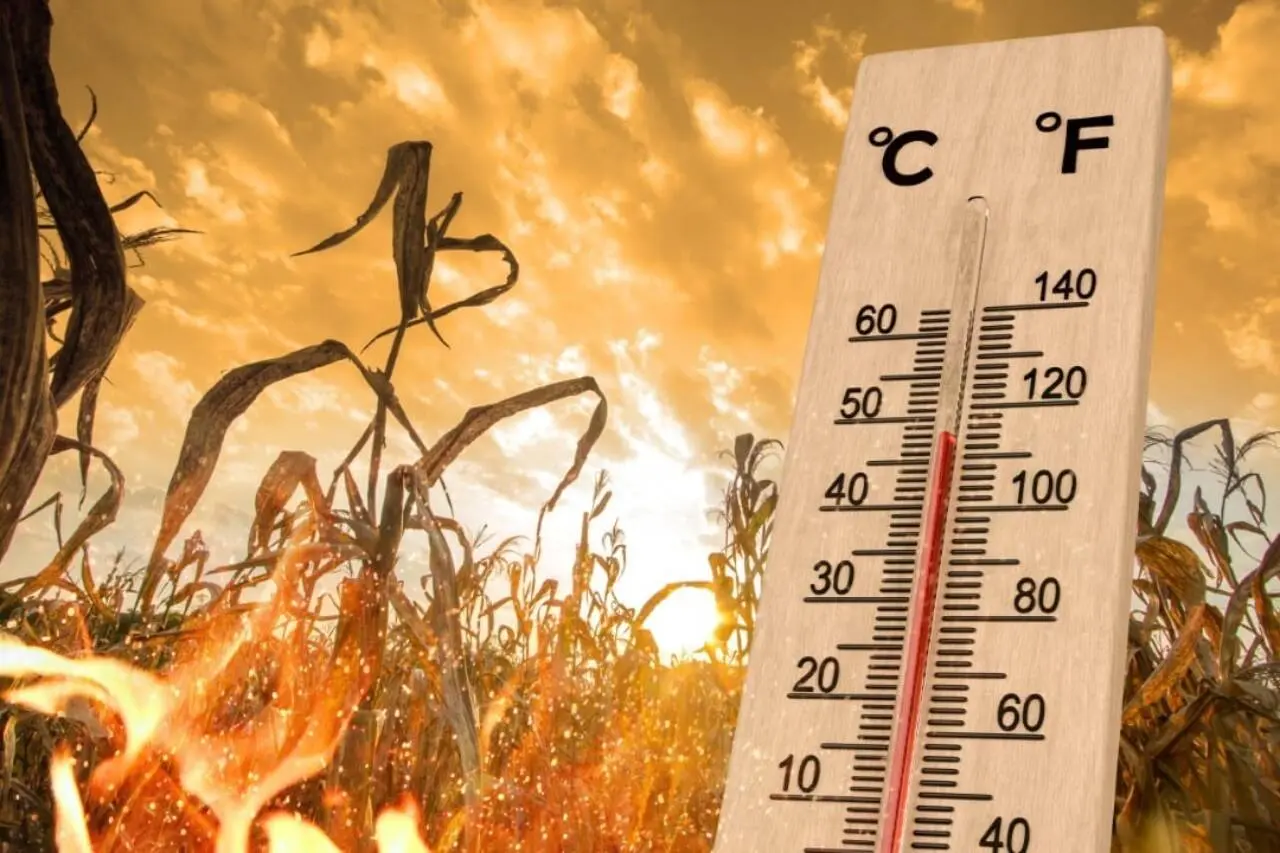
Southern California is bracing for a dramatic shift from cloudy, drizzly days to a scorching heatwave that could shatter temperature records this weekend. Starting Friday, May 9, 2025, coastal areas will see temperatures in the 70s and 80s, while inland valleys, particularly the San Fernando and San Gabriel Valleys, may hit triple digits by Saturday. The National Weather Service forecasts highs of 99 degrees in Woodland Hills and 96 degrees in Burbank, with some areas potentially exceeding 100 degrees. This rapid temperature surge, driven by a high-pressure system, marks a stark departure from the region’s recent “May gray” weather.
The heatwave follows a week of cooler, overcast conditions, with scattered showers delivering minimal precipitation—less than a tenth of an inch in downtown Los Angeles. Meteorologists warn that the sudden spike, 10 to 20 degrees above normal, could pose health risks, especially for vulnerable populations. Residents are urged to stay hydrated and limit outdoor activities during peak heat hours.
- Peak temperatures: San Fernando Valley could hit 100°F on Saturday.
- Coastal forecast: Highs in the mid-70s in Santa Monica and Torrance.
- Health advisory: Increased risk of heat-related illnesses.
- Recent weather: Minimal rainfall, with 0.1 inches in downtown L.A.
Heatwave forecast details
The National Weather Service in Oxnard projects that Saturday will be the hottest day, with inland areas like the San Fernando and San Gabriel Valleys facing the most intense heat. Woodland Hills, a consistent hotspot, is forecast to reach 99°F, just shy of the daily record of 100°F set in 1987. Burbank’s expected high of 96°F approaches its record of 98°F from 1992. Coastal cities, including Torrance and Santa Monica, will remain cooler, with temperatures in the mid-70s, but still warmer than the seasonal average of 68°F.
Rose Schoenfeld, a meteorologist with the National Weather Service, noted that the heatwave is driven by a strengthening high-pressure ridge over the Southwest. This system will block cooler Pacific air, causing temperatures to soar 12 to 18 degrees above normal. The heat is expected to subside slightly by Sunday, with a cooling trend bringing temperatures closer to seasonal norms by mid-week.
Recent weather patterns
Before the heatwave, Southern California experienced unseasonably cool and cloudy conditions. On Thursday, May 7, 2025, light showers brought a third of an inch of rain to parts of the San Fernando Valley, but most areas saw negligible precipitation. The U.S. Drought Monitor classified much of the region as under moderate to severe drought, exacerbated by below-average rainfall this season. The National Oceanic and Atmospheric Administration predicts drier-than-normal conditions for May, increasing concerns about water shortages.
The shift from cool, moist air to extreme heat reflects a volatile weather pattern typical of spring in Southern California. Meteorologists attribute the rapid warmup to a high-pressure system moving into the region, a phenomenon that has triggered similar heat events in recent years. The abrupt change has prompted local authorities to issue heat advisories for inland communities.
- Rainfall totals: Less than 0.1 inches in downtown Los Angeles on May 7.
- Drought status: Severe drought in Ventura and Los Angeles counties.
- Seasonal trend: Below-average precipitation expected for May 2025.
Health and safety measures
With temperatures approaching triple digits, health officials are urging residents to take precautions against heat-related illnesses. The National Weather Service advises staying hydrated, avoiding strenuous outdoor activities between noon and 6 p.m., and checking on vulnerable individuals, such as the elderly and those without air conditioning. Los Angeles County has opened cooling centers in libraries and community centers, providing relief for residents facing extreme heat.
Entenda o caso: Europe’s record heatwave claims over 1,300 lives; Germany, Poland register historic temperatures
The California Department of Public Health reported that heatwaves in 2024 led to over 1,200 emergency room visits for heat exhaustion and heatstroke statewide. Inland areas, where temperatures are highest, face the greatest risk. Authorities recommend wearing lightweight clothing and using sunscreen to mitigate the effects of prolonged sun exposure.
Historical heat records
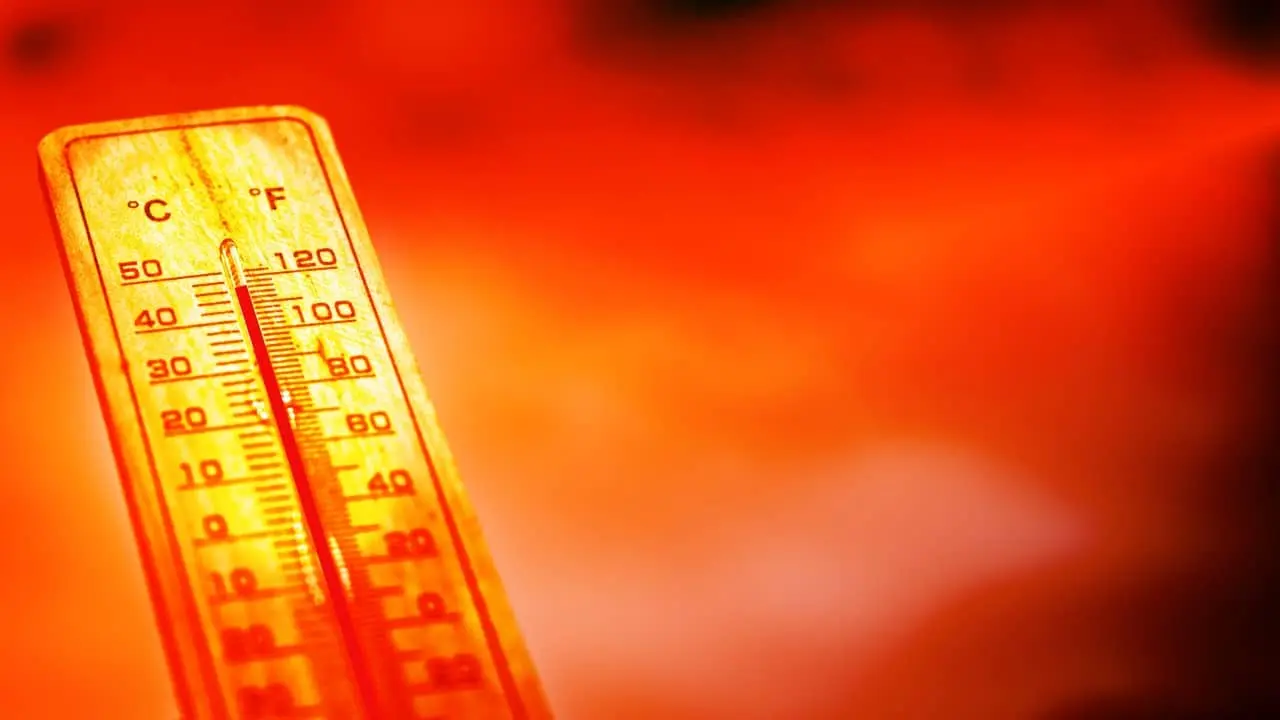
Southern California has a history of record-breaking heat, particularly in late spring and early summer. In May 1987, Woodland Hills recorded a daily high of 100°F, a benchmark that Saturday’s forecast threatens to match or exceed. Burbank’s May record of 98°F, set in 1992, is also at risk. Previous heatwaves, such as the September 2024 event that saw Woodland Hills hit 117°F, underscore the region’s vulnerability to extreme temperatures driven by high-pressure systems.
Palm Springs set an all-time October record of 117°F in 2024, while Lancaster and Palmdale experienced six consecutive days above 110°F in July 2024, surpassing prior records. These events highlight a trend of increasingly frequent and intense heatwaves, which meteorologists link to broader climate patterns. The National Weather Service notes that heat domes, like the one fueling this weekend’s heat, have become more common in recent decades.
Impact on local events
The heatwave coincides with the Coachella Valley Music and Arts Festival, held in Indio from May 9 to 11, 2025. Temperatures in the Coachella Valley are forecast to reach 103°F on Friday, potentially setting a daily record for the area. Festival organizers have installed cooling misters and hydration stations to ensure attendee safety. Performers, including Lady Gaga and Missy Elliot, are scheduled to take the stage under sweltering conditions, prompting additional measures like extended breaks between sets.
Local businesses in coastal areas, such as Long Beach’s Shoreline Village, expect an influx of visitors seeking relief from inland heat. Restaurants and beachfront vendors are preparing for higher foot traffic, with some extending hours to accommodate weekend crowds. The heatwave is also driving demand for air conditioning services, with repair companies reporting a surge in calls.
Saiba mais: Europe’s extreme heatwave shifts eastward, challenging resilience across central and eastern regions
- Coachella forecast: 103°F in Indio on Friday, nearing a daily record.
- Business surge: Long Beach vendors anticipate increased visitors.
- Safety measures: Cooling misters added at Coachella festival.
Energy grid preparedness
The California Independent System Operator, which manages the state’s power grid, has issued alerts urging utilities to avoid scheduled maintenance during peak heat hours from noon to 10 p.m. The heatwave is expected to increase electricity demand as residents rely heavily on air conditioning. In September 2024, over 7,000 Los Angeles Department of Water and Power customers lost power during a heatwave, highlighting the strain on infrastructure.
Los Angeles Mayor Karen Bass announced that the city is deploying extra staff to repair equipment and restore power promptly. Augmented cooling centers, equipped with charging stations and refrigeration for medications, are available across Los Angeles County. The grid operator confirmed sufficient power reserves to meet demand, but residents are encouraged to conserve energy by setting thermostats to 82°F.
Fire risk concerns
The combination of high temperatures, low humidity, and gusty winds raises concerns about wildfire risks, particularly in Ventura and San Bernardino counties. The National Interagency Fire Center predicts above-normal fire potential along Southern California’s coast through summer 2025. Recent showers provided minimal moisture, leaving vegetation dry and susceptible to ignition.
In September 2024, the Line Fire in San Bernardino County forced thousands to evacuate, fueled by outflow winds from thunderstorms. Meteorologists warn that similar conditions could emerge this weekend, with wind gusts of 25 to 35 mph expected in interior valleys and deserts. Fire crews are on heightened alert, with additional resources deployed to high-risk areas.
- Fire potential: Above-normal risk along Southern California coast.
- Wind forecast: Gusts up to 35 mph in inland valleys on Saturday.
- Recent fire: Line Fire in 2024 displaced thousands in San Bernardino.
Coastal versus inland disparities
Coastal communities, benefiting from Pacific breezes, will experience milder conditions, with highs in the mid-70s in areas like Santa Monica and Los Angeles International Airport. Inland valleys, however, face significantly hotter temperatures, creating a stark gradient. The San Fernando Valley, for instance, could see highs 25 degrees warmer than coastal zones, a pattern consistent with past heatwaves.
This disparity drives behavioral shifts, with inland residents flocking to beaches and coastal parks. Long Beach’s Shoreline Village, a popular destination, reported a 30% increase in visitors during the September 2024 heatwave. Local authorities are increasing lifeguard patrols to manage larger crowds at beaches over the weekend.
Mais sobre o assunto: Extreme heat warnings escalate across Germany and Poland as record temperatures sweep eastward
Regional weather trends
The heatwave is part of a broader warming trend across the western U.S., with the National Weather Service’s Weather Prediction Center forecasting highs 20 to 25 degrees above normal in the Southwest. Parts of Arizona and Nevada are also expected to approach 100°F, with localized heat threats. The Climate Prediction Center projects above-average temperatures through late May, raising concerns about prolonged heat stress.
Southern California’s rainy season, which typically ends in April, has been drier than normal, with Ventura County recording rainfall at half its seasonal average. The lack of precipitation, combined with rising temperatures, intensifies drought conditions, impacting agriculture and water resources. Farmers in the Central Valley are bracing for reduced yields due to limited irrigation.
Community response and adaptations
Residents across Southern California are preparing for the heatwave by stocking up on water, fans, and portable air conditioners. Retail stores in Los Angeles and San Bernardino counties reported a 15% increase in sales of cooling devices this week. Community organizations are distributing free water bottles in low-income neighborhoods to ensure access to hydration.
Schools in the San Fernando Valley have adjusted outdoor activities, moving physical education classes indoors and canceling weekend sports practices. Local animal shelters are promoting pet safety, advising owners to avoid walking dogs on hot pavement and to provide ample water. Social media posts reflect heightened awareness, with users sharing tips on staying cool and safe.
Vulnerable populations and resources
The elderly, young children, and those without access to air conditioning face the greatest risks during the heatwave. Los Angeles County has expanded its network of cooling centers, with 50 locations open through Sunday. These centers, located in libraries, recreation centers, and senior facilities, offer free water and shaded areas. Mobile apps, such as the Los Angeles County Cooling Center Finder, provide real-time updates on available locations.
- Cooling centers: 50 locations open in Los Angeles County through May 11.
- Health risks: Heatstroke symptoms include dizziness and nausea.
- Outreach efforts: Nonprofits provide sunscreen to homeless residents.
Long-term climate patterns
The heatwave aligns with a trend of increasing heat events in Southern California, with the National Weather Service noting that heatwaves have become more frequent and intense over the past two decades. The European Union’s Copernicus Climate Change Service reported that 2024 was the hottest summer on record for the Northern Hemisphere, surpassing the previous record set in 2023. July 6, 2024, marked the hottest day ever recorded globally, according to the National Weather Service.
Studies indicate that heat domes, which trap warm air and fuel heatwaves, are growing stronger due to climate change. In Southern California, the number of days exceeding 90°F has risen by 20% since 2000, particularly in inland areas. The current heatwave, while shorter than the prolonged July 2024 event, underscores the region’s susceptibility to extreme weather.
Mais notícias em EUA
Veja mais → Drone strike on German airport deepens fears of Russian sabotage across Europe
 Banco central holandês transfere 86 toneladas de ouro dos EUA e Canadá para Londres
 Cervejaria dos EUA oferece recompensa superior a R$ 102 mil após roubo de carga
 Ação de atirador em Minneapolis resulta em duas mortes e feridos, incluindo policiais
 Sony disponibiliza Live TV on PS5 com canais e filmes gratuitos nos Estados Unidos
 Policial mata burro em abrigo durante busca por criança e enfrenta investigação
 Autoridades prendem mulher por intimidação em tribunal durante julgamento de Lindsay Clancy
 Morador de Staten Island é atingido por raio ao ir ao dentista e relata experiência incomum
 Apresentador Jim Thornton do programa Wheel of Fortune é afastado por suspeitas em investigação interna
 Ataque inesperado na Times Square mata advogada do Bank of America recém-casada: Quem era Erin Piacent
 Disputa judicial por fraude em troca de carta rara de Pokémon termina em acordo nos EUA
 Falsa ameaça de bomba em avião leva à prisão de passageiro em Miami
Mais notícias na Mix Vale
- 1Voo de carga da Amazon se incendeia e deixa 5 mortos em Miami
- 2Jovem grávida falece em pista de kart nos Estados Unidos
- 3Bournemouth beat Newcastle 2-1 with goals from Tavernier and Barnes own goal boost
- 4Cachorro preso na grade de veículo sobrevive após percurso de 120 quilômetros no Texas
- 5Candidato democrata Abdul El-Sayed, do Michigan, esclarece postagens sobre 11 de setembro
- 6Rapper Kevhani Hicks é acusada de homicídio na Flórida e invoca legítima defesa
- 7Estio de furacões no Atlântico em 2026 se aproxima de marca histórica
- 8Donald Trump recebe Rússia no G20 em meio a críticas de líderes europeus e legisladores dos EUA
- 9Polícia age em ataque com faca na Times Square, Nova York; uma pessoa morre e agressora é morta
- 10Tempestade tropical Edouard pode virar furacão ao se aproximar do Texas