
Donald Trump announces 59% cut in medicine and energy costs across the United States

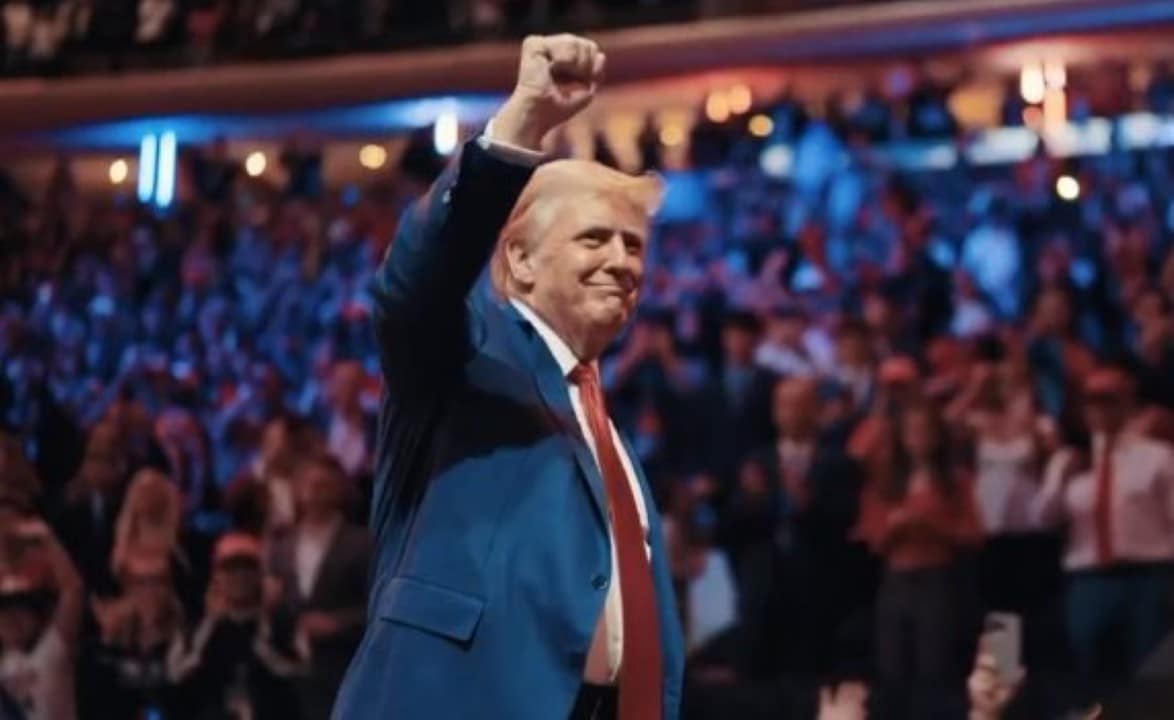
In a bold move that captured national attention, U.S. President Donald Trump announced on Monday, May 12, 2025, a plan to reduce drug prices across the United States by at least 59%. Speaking from the White House, Trump also pledged to lower the costs of gasoline, energy, and groceries, aiming to ease the financial burden on American households. The announcement, set to be formalized through an executive order, represents one of Trump’s first major economic initiatives in his second term. He framed the measure as a long-overdue correction to what he called a “historic injustice” in the American pharmaceutical market.
The executive order, scheduled for signing at 9 a.m. on Monday, will introduce the concept of “most favored nation” pricing. This policy seeks to align U.S. drug prices with those in other developed countries, where costs are significantly lower. Trump sharply criticized pharmaceutical companies, accusing them of exploiting American consumers by justifying high prices with research and development costs. He vowed that the measure would bring “fairness” to the global drug market.
The proposal has sparked a range of reactions. While consumers and healthcare advocates applaud the potential for more affordable prices, the pharmaceutical industry has raised concerns. Industry representatives warn that government intervention could stifle medical innovation. Key points of Trump’s initiative include:
- Drug price reduction: Initial target of a 59% cut, potentially reaching 80% in some cases.
- Most favored nation pricing: Alignment with prices in other developed nations.
- Broader cost reductions: Promises to lower gasoline, energy, and grocery prices.
- Timeline: Executive order signing set for May 12, 2025.
The announcement comes at a time of heightened economic expectations in the United States, with inflation remaining a key concern for many Americans. Trump, who began his second term in January 2025, is working to deliver on campaign promises that prioritize financial relief for families.
Executive order and most favored nation pricing
Trump’s planned executive order introduces the “most favored nation” pricing model, compelling pharmaceutical companies to offer the United States the same prices charged in other developed countries. In his speech, Trump emphasized that Americans pay, on average, five to ten times more for medications than consumers in nations like Canada, Australia, and European Union countries. He described the disparity as “embarrassing” and promised that the new policy would rectify it.
The most favored nation pricing mechanism establishes an international reference price based on the lowest values negotiated by other governments. For instance, a drug priced at $100 in the United States might cost just $20 in Canada, even if produced by the same company. The executive order aims to force pharmaceutical companies to harmonize these prices, significantly lowering costs for American consumers. However, the policy has not clarified how it will apply to generic drugs or high-complexity treatments.
According to lobbyists cited by Reuters, the White House intends to extend the order’s scope beyond the drugs currently negotiated under the Medicare program. The expectation is that the policy will cover a wide range of pharmaceuticals, including those used for chronic conditions like diabetes and cardiovascular diseases. The initiative may also impact the prices of innovative drugs, which often carry high costs due to extensive development expenses.
The pharmaceutical industry, represented by the Pharmaceutical Research and Manufacturers of America (PhRMA), responded with criticism. Alex Schriver, a PhRMA spokesperson, stated that government price controls could harm patients by limiting access to new treatments. He argued that high U.S. prices fund global research, benefiting patients worldwide.
Pharmaceutical industry’s response
Pharmaceutical companies have been on high alert since Trump signaled his intent to sign the executive order on Sunday, May 11. The industry anticipated a measure focused solely on Medicare, the health insurance program for seniors and people with disabilities. However, preliminary information suggests the policy will be broader, affecting drugs sold in the private market as well.
The Inflation Reduction Act, signed by former President Joe Biden in 2022, had already enabled price negotiations for 10 Medicare-covered drugs, with implementation slated for 2026. Trump’s order, however, appears to propose a more aggressive and immediate reduction. Industry representatives fear that combining these policies could squeeze profit margins, particularly for companies reliant on the U.S. market to fund research.
Despite the criticism, some analysts believe the measure could force pharmaceutical companies to rethink their global pricing strategies. Key arguments from the industry include:
- Research investment: High U.S. prices support the development of new drugs.
- Supply risks: Drastic reductions could lead to cuts in production for certain medications.
- Global impact: Price equalization may raise costs in other countries.
- Threat to innovation: Lower profits could limit funding for experimental treatments.
PhRMA has indicated it may pursue legal action to challenge the executive order, arguing that it infringes on companies’ pricing autonomy. If confirmed, such litigation could delay the policy’s implementation and create uncertainty in the market.
Medicare and price negotiation context
Medicare, serving approximately 66 million Americans, is one of the world’s largest drug buyers. The Inflation Reduction Act marked the first time the government was allowed to negotiate prices for Medicare-covered drugs directly. In 2024, 10 drugs were selected for negotiation, including treatments for diabetes, cancer, and heart disease. Negotiated prices are set to take effect in 2026, with additional drugs to be included in future rounds.
Trump’s initiative seeks to accelerate and expand this process. During his campaign, he criticized the slow pace of Medicare negotiations and promised bolder action. According to White House sources, the executive order may include high-cost drugs, such as gene therapies and cancer treatments, that were not initially targeted by Medicare.
Extending the pricing policy beyond Medicare raises questions about feasibility. The U.S. healthcare system is highly fragmented, with private insurers, pharmacies, and hospitals playing central roles in pricing. Implementing a broad reduction will require coordination across multiple sectors, which analysts view as a significant logistical challenge.
Promises to cut costs in other sectors
Beyond pharmaceuticals, Trump pledged to reduce gasoline, energy, and grocery prices, emphasizing “NO INFLATION!” in his social media posts. The statement reflects a core campaign promise to address the rising cost of living, which has strained millions of Americans in recent years. Data from the Bureau of Labor Statistics indicates that cumulative inflation between 2021 and 2024 reached approximately 18%, with significant impacts on food and fuel prices.
To lower energy costs, Trump suggested increasing domestic oil and gas production and reviewing environmental regulations, which he claims drive up energy generation costs. For groceries, he mentioned the possibility of reducing import tariffs on agricultural products, though he provided no details on how this would be achieved without harming local producers.
Trump’s promises have energized his supporters, but experts caution that executing these measures faces hurdles. Key challenges include:
- Energy production: Expanding fossil fuel extraction may face pushback from environmental groups.
- Supply chain issues: Grocery prices are influenced by global factors like weather and transportation costs.
- Global inflation: Domestic price reductions may be constrained by international economic pressures.
Despite the uncertainties, the announcement reinforces Trump’s image as a president focused on immediate economic outcomes, a strategy that resonates with his voter base.
History of drug pricing policies
The issue of high drug prices has long plagued the United States. For decades, Americans have faced costs far exceeding those in other developed nations. A 2023 Kaiser Family Foundation study found that the average price of brand-name drugs in the U.S. was 3.4 times higher than in Canada and 4.1 times higher than in Australia.
During his first term from 2017 to 2021, Trump attempted to implement similar policies, including a most favored nation pricing proposal. However, the measure was blocked by legal challenges before taking effect. The 2025 executive order appears to be a revised and more ambitious version of that initiative.
Former President Barack Obama also tackled the issue through the Affordable Care Act in 2010, which expanded healthcare access but did not directly address drug prices. The Biden administration’s Inflation Reduction Act took initial steps toward Medicare price negotiations, but progress has been gradual.
Consumer and advocacy group reactions
Consumer advocacy organizations have largely welcomed Trump’s initiative, though with caveats. The AARP, the largest U.S. organization for seniors, issued a statement praising the promise of lower prices but called for clarity on implementation. The group noted that seniors, the primary Medicare beneficiaries, spend an average of $6,000 annually on medications.
Groups like Patients for Affordable Drugs also expressed support but stressed the need for clear regulations. They argue that without strict oversight, pharmaceutical companies could exploit loopholes to maintain high prices. Key demands from these groups include:
- Transparency: Publication of reference prices used in the most favored nation policy.
- Enforcement: Mechanisms to ensure reductions reach consumers.
- Expanded access: Inclusion of generic and biosimilar drugs in the policy.
Public opinion, according to recent polls, strongly favors measures to lower healthcare costs. A March 2025 Gallup survey found that 78% of Americans view drug prices as “unfair” and support government intervention.
Implementation challenges
Implementing the executive order faces significant practical obstacles. The U.S. healthcare system is a complex network of insurers, pharmacies, distributors, and manufacturers, each with competing interests. Aligning these stakeholders to ensure price reductions reach consumers will be a daunting task.
Another hurdle is the expected resistance from the pharmaceutical industry. During the Biden administration, Medicare negotiations faced lawsuits from major companies like Pfizer and Johnson & Johnson, which argued the policy violated their commercial rights. Trump’s broader order could trigger an even larger wave of legal challenges.
Additionally, equalizing prices with other countries may have unintended consequences. Experts warn that pharmaceutical companies could raise prices in nations like Canada and Australia to offset U.S. losses, potentially sparking diplomatic tensions and criticism from foreign governments.
Global market implications
The most favored nation pricing policy could reshape the global pharmaceutical market. In recent years, pharmaceutical companies have relied on high U.S. prices to subsidize research and development costs. If U.S. prices drop significantly, companies may seek to increase prices in other countries, creating a ripple effect.
Countries like Canada, with robust public healthcare systems, have already voiced concerns. In 2020, when Trump proposed a similar policy, the Canadian government warned that it could lead to drug shortages, as companies might prioritize the U.S. market.
The World Health Organization (WHO) is also monitoring changes in the pharmaceutical market. A 2024 WHO report highlighted that opaque drug pricing is a global issue, and initiatives like Trump’s could either improve or complicate access to treatments in low-income countries.
Next steps from the White House
The White House has not yet released the full text of the executive order, but insiders suggest it will be comprehensive. Following the signing on Monday, the Department of Health and Human Services (HHS) will be tasked with drafting regulations to implement the policy.
The HHS will need to determine which drugs will be covered under the most favored nation policy and how reference prices will be calculated. This process could take months, particularly if the pharmaceutical industry resists or negotiations with other countries are required.
In the meantime, Trump is expected to maintain pressure on pharmaceutical companies through public statements and White House events. He is also likely to leverage social media to reinforce his administration’s commitment to lowering living costs for Americans.





