King Charles and Princess Anne honor Household Cavalry with new standards at Windsor Castle


At Windsor Castle, a centuries-old tradition unfolded as King Charles and Princess Anne presided over the Household Cavalry’s new Standards Parade. The event, held in the historic Quadrangle, saw the presentation of new standards to The Life Guards and The Blues and Royals, the British Army’s most senior regiments. These ceremonial flags, symbolizing the squadrons’ history and identity, were consecrated and handed to the commanding officers in a display of military precision. The parade, steeped in pomp and pageantry, underscored the monarchy’s enduring ties to the armed forces.
The Household Cavalry, comprising The Life Guards and The Blues and Royals, has served as the monarch’s trusted guardians since 1660. King Charles, as Colonel-in-Chief, and Princess Anne, as Colonel of The Blues and Royals, inspected the parade alongside Lieutenant General Sir Edward Smyth-Osbourne. The event drew personnel, families, and veterans, all gathered to witness the solemn ceremony. Key elements of the parade included:
- A Royal Salute and the National Anthem greeting the King.
- The Band of the Household Cavalry performing in the Quadrangle.
- Silver kettle drums displaying the new Union Standards.
The ceremony highlighted the regiments’ dual role as elite fighting units and ceremonial guardians. With the standards now in place, The Life Guards and The Blues and Royals will carry them in duties ranging from state processions to operational deployments.
Ceremonial splendor in the Quadrangle
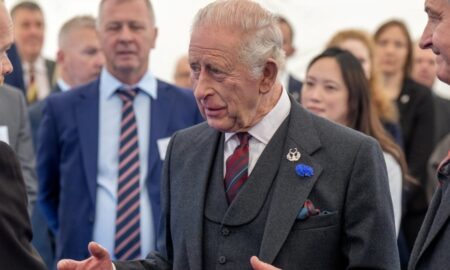
The parade at Windsor Castle was a spectacle of military tradition, with the Quadrangle transformed into a stage for the Household Cavalry’s finest. King Charles arrived to a Royal Salute, followed by the National Anthem, setting a formal tone. The King, dressed in his Field Marshall Frock Coat, inspected the troops alongside Princess Anne, who wore the Full Mounted Ceremonial uniform of the Blues and Royals, complete with a bicorn hat. Their presence underscored the monarchy’s deep connection to the regiments.
Lieutenant General Sir Edward Smyth-Osbourne, Colonel of The Life Guards, joined the royals in reviewing the parade. The Band of the Household Cavalry, Dismounted Squadrons, and Mounted Troops were meticulously positioned, with the silver kettle drums at the center, adorned with the new Union Standards. The Sovereign’s Standards, used for royal duties, were marched on parade, adding to the event’s gravitas.
The consecration of the standards by the Chaplain General was a poignant moment, symbolizing their sacred role. The standards, made of silk damask with gold and silver embroidery, were presented to the King before being handed to the commanding officers. The ceremony concluded with a Royal Fanfare and a march-past, as the regiments showcased their discipline and pride.
Significance of the new standards
The standards presented at Windsor Castle are more than ceremonial flags; they embody the legacy of The Life Guards and The Blues and Royals. Crafted from silk damask, the six new squadron standards feature intricate gold and silver embroidery, reflecting the regiments’ storied past. These flags will be used routinely, accompanying the regiments wherever they are based, from London to overseas deployments.
The standards symbolize the squadrons’ history, achievements, and identity, serving as rallying points for troops. They are held in the highest reverence, a tradition dating back centuries. The Household Cavalry received its Sovereign’s Standards from King Charles in April 2023, just before his coronation, and the new standards build on that legacy.
For the regiments, the standards are a source of honor and inspiration. King Charles, in his address, emphasized their importance, urging the troops to “carry them with pride” in service to the nation. The presentation reinforces the regiments’ close connection to the monarchy, a bond that has endured since the Restoration of King Charles II in 1660.
King Charles’ address to the troops
King Charles delivered a heartfelt speech from the dais, praising the Household Cavalry’s ceremonial excellence. He highlighted their global reputation for performing at national events like the State Opening of Parliament and Trooping the Colour. The King noted the regiments’ ability to uphold traditions while adapting to modern challenges, a balance that defines their dual role as ceremonial and operational units.
The monarch also acknowledged the “blood, toil, tears, and sweat” of the regiments’ forebears, linking their past sacrifices to the present parade. He commended the standards to the troops’ safekeeping, expressing confidence in their ability to serve with distinction. The speech was met with a Royal Fanfare, signaling the parade’s culmination.
Charles’ words resonated with the troops, many of whom have served in conflicts and ceremonial duties alike. His role as Colonel-in-Chief, overseeing all seven Guards regiments of the Household Division, adds weight to his address, reinforcing the monarchy’s commitment to the armed forces.
Princess Anne’s role in the ceremony
Princess Anne, as Colonel of The Blues and Royals, played a central role in the parade. Her appearance in the regiment’s ceremonial uniform was a striking symbol of her long-standing connection to the unit. Anne, known for her dedication to military engagements, inspected the parade alongside her brother, engaging with soldiers and officers.
Her involvement highlighted the personal ties between the royal family and the Household Cavalry. Anne’s recent trip to the Channel Islands, where she marked the 80th anniversary of liberation from German occupation, preceded this event, showcasing her active role in commemorative duties. Her presence at Windsor added a layer of familial unity to the ceremony.
The Princess Royal’s inspection of the troops, alongside Lieutenant General Sir Edward Smyth-Osbourne, emphasized the collaborative leadership within the regiments. Her bicorn hat and uniform, distinct from the plumed helmets of the mounted troops, drew attention to the ceremonial diversity on display.
Household Cavalry’s dual mission
The Household Cavalry’s unique structure sets it apart in the British Army. It comprises the Household Cavalry Regiment, an operational unit providing armored reconnaissance, and the Household Cavalry Mounted Regiment, responsible for ceremonial duties. This dual mission allows the regiments to excel in both combat and pageantry.
- The Life Guards and The Blues and Royals are the army’s most senior regiments.
- The Household Cavalry Regiment has served in every major conflict since 1660.
- The Mounted Regiment performs at events like the King’s Birthday Parade.
- Soldiers wear plumed helmets and breastplates for ceremonial duties.
- The regiments alternate duties as the King’s Life Guard at Horse Guards.
The new standards will accompany both units, symbolizing their shared heritage. The regiments’ ability to balance tradition with operational readiness was evident in the parade’s precision and the troops’ polished appearance.
Historical roots of the regiments
The Life Guards and The Blues and Royals trace their origins to the 17th century, making them the oldest regiments in the British Army. The Life Guards were formed in 1660 to protect King Charles II, while The Blues and Royals, established in 1661, served as royalist cavalry. Their histories are marked by service in conflicts like the Napoleonic Wars, World War II, and modern operations in Iraq and Afghanistan.
The regiments’ ceremonial roles have evolved alongside their combat duties. The standards, once used as battlefield rallying points, now serve as symbols of pride during state events. The Windsor parade continues a tradition of presenting new standards every few decades, ensuring the regiments’ legacy endures.
The Household Cavalry’s connection to the monarchy is deeply personal. Both Prince William and Prince Harry served in The Blues and Royals, with Harry wearing the regiment’s uniform at his 2018 wedding. The regiments’ presence at royal events, from coronations to funerals, underscores their role as the monarch’s guardians.
Windsor Castle as a historic backdrop
Windsor Castle, one of the King’s official residences, provided a fitting setting for the parade. The Quadrangle, with views of the Long Walk, has hosted countless royal and military events over its 900-year history. The castle’s stone walls and towering presence added gravitas to the ceremony, reinforcing its significance.
The choice of Windsor reflects its status as a hub for royal engagements. Recent events, like the presentation of new colours to the Irish Guards in June 2024, have also taken place in the Quadrangle. The castle’s role as a military and royal stronghold makes it an ideal venue for honoring the Household Cavalry.
Security at Windsor has been a focus, especially after a 2024 break-in at the estate. The parade proceeded without incident, with the regiments’ discipline and the castle’s fortified grounds ensuring a smooth event. The presence of families and veterans added a communal spirit to the occasion.
Military precision and pageantry
The parade’s choreography was a testament to the Household Cavalry’s training. The Band of the Household Cavalry played stirring marches, while the Mounted Troops, in their plumed helmets and breastplates, executed maneuvers with precision. The Dismounted Squadrons, in their dismounted review order, added to the visual spectacle.
The silver kettle drums, a focal point of the parade, are a historic emblem of the regiments. Carried by horses during ceremonial duties, they bear the Union Standards, which were prominently displayed. The Sovereign’s Standards, marched on parade, are reserved for royal events, distinguishing them from the new squadron standards.
Lieutenant Colonel Roly Spiller, commanding officer of the Household Cavalry Regiment, emphasized the parade’s significance in reinforcing the regiments’ bond with the sovereign. The event’s pageantry, from the Royal Salute to the march-past, captivated onlookers and highlighted the regiments’ ceremonial prowess.
Troops’ pride and preparation
The soldiers of The Life Guards and The Blues and Royals prepared meticulously for the parade. Months of training ensured every movement was flawless, from the inspection to the march-past. The troops’ polished uniforms and disciplined formations reflected their commitment to excellence.
- Soldiers practiced for weeks to perfect the parade’s choreography.
- The Mounted Regiment trained horses for ceremonial duties.
- The Band rehearsed to deliver a stirring performance.
- Uniforms were tailored to meet strict ceremonial standards.
- Troops balanced operational duties with parade preparations.
The standards’ presentation was a moment of pride for the troops, many of whom have served in high-profile events like the King’s Coronation. Their ability to perform under the King’s gaze underscored their role as the army’s elite.
Global uncertainty in focus
King Charles’ speech touched on the theme of “global uncertainty,” a nod to the challenges facing the military. The Household Cavalry Regiment’s operational arm has been active in recent conflicts, providing reconnaissance in volatile regions. The standards, while ceremonial, symbolize the regiments’ readiness for any mission.
The monarch’s reference to global challenges resonated with the troops, who face evolving threats in an uncertain world. The parade, while rooted in tradition, served as a reminder of the regiments’ adaptability. The King’s call to carry the standards with pride was a rallying cry for continued service.
The Household Cavalry’s role in national security extends beyond ceremony. Its armored reconnaissance capabilities have been deployed in conflicts like the Gulf War and Afghanistan, showcasing its versatility. The new standards will accompany the regiments in both ceremonial and operational contexts.
Public and royal engagement
The parade drew attention from royal watchers and military enthusiasts, with posts on X capturing the event’s grandeur. Fans praised the King and Princess Anne for their involvement, noting the ceremony’s blend of tradition and modernity. The British Royal Family’s Instagram post, featuring photos by Chris Jackson, garnered thousands of likes, amplifying the event’s reach.
The presence of families and veterans added a personal touch. King Charles and Princess Anne took time to speak with attendees, reinforcing the regiments’ community ties. The parade’s broadcast on news outlets like BBC and Reuters brought the Household Cavalry’s legacy to a global audience.
The event followed other royal military engagements, such as the VE Day 80th anniversary parade, where the King and senior royals honored veterans. The Windsor parade, with its focus on the Household Cavalry, continued this tradition of royal support for the armed forces.
Legacy of the standards
The new standards will be carried with pride in future ceremonies, from the King’s Birthday Parade to state visits. Their silk damask and intricate embroidery make them works of art, but their true value lies in their symbolism. The standards connect the regiments to their past while guiding them into the future.
The Life Guards and The Blues and Royals will use the standards in duties at Horse Guards, where they mount the King’s Life Guard daily. The regiments alternate this role, ensuring the monarch’s protection. The standards’ presence in these duties reinforces their role as emblems of loyalty.
The parade’s success highlighted the Household Cavalry’s enduring relevance. As the British Army’s senior regiments, The Life Guards and The Blues and Royals continue to embody tradition, discipline, and service, with the new standards as their guiding symbols.