
New Air Jordan 3 Seoul 2.0 honors Korean culture with intricate details and worldwide sale

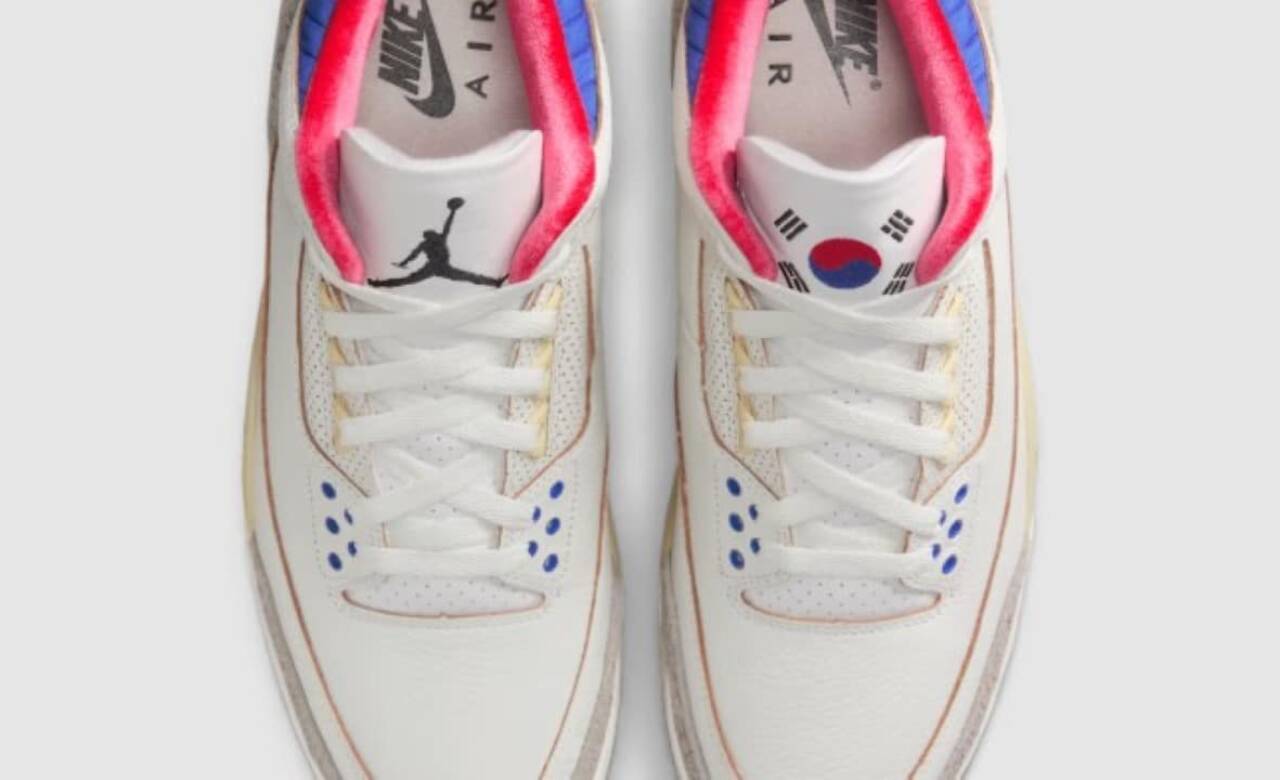
Seven years after the Air Jordan 3 “Seoul” hit the market, Jordan Brand unveils a new edition celebrating South Korea’s vibrant culture. The Air Jordan 3 “Seoul 2.0,” set for release in 2025, blends traditional and modern elements in a design that reflects the country’s growing global influence. Priced at a suggested retail of $200, the sneaker stands out as one of the most affordable options among recent Air Jordan 3 Retro releases. Unlike its predecessor’s exclusivity, this model’s global distribution aims to reach a broader audience.
The sneaker incorporates details tied to South Korean heritage, such as fabrics inspired by traditional blankets and hangul words etched inside the tongue. Its special packaging, featuring a blue sky graphic and iconic elephant print, enhances the unboxing experience. The launch aligns with South Korea’s cultural surge, driven by achievements in film, music, and tourism.
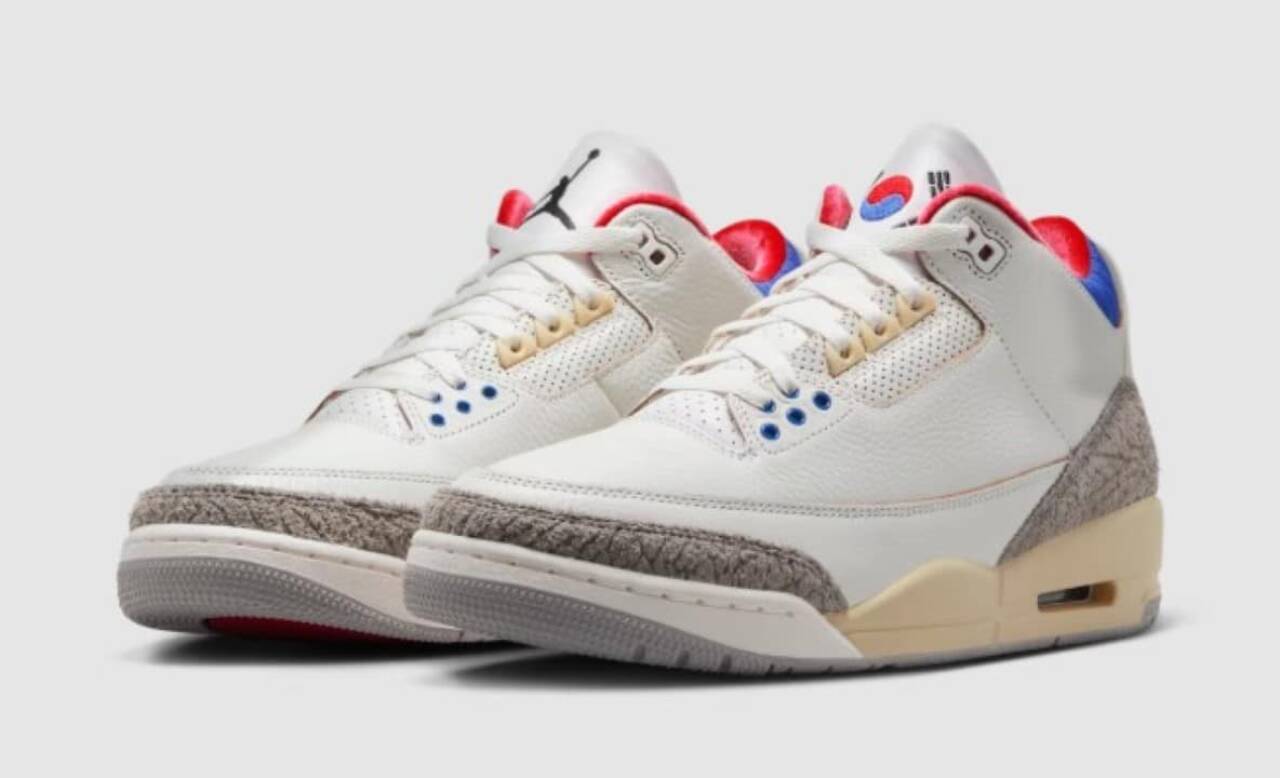
- Design highlights: Aged aesthetic with yellowed leather and midsole.
- Competitive pricing: $200, below average for Air Jordan 3 Retro models.
- Global availability: Offered through select retailers via raffles.
Tribute to Korean heritage
The Air Jordan 3 “Seoul 2.0” transcends the realm of athletic footwear. Its design incorporates elements that celebrate South Korean identity, notably the fabric around the ankle, inspired by traditional blankets used in ceremonies and homes. This choice underscores Jordan Brand’s commitment to cultural authenticity, appealing to consumers who value meaningful design.
Inside the tongue, the words “꿈” (Ggeum, meaning “dream”) and “정” (Jeong, roughly translating to “loyalty”) are engraved, emphasizing deep cultural values. The sneaker’s special box, adorned with a cloudy blue sky on the lid and elephant print embossed on the sides, adds a premium touch. These features position the model as a collector’s item, despite its wider release.
Global launch expands access
Unlike the limited 2018 Air Jordan 3 “Seoul,” the “Seoul 2.0” will be available across multiple countries. Global retailers, including stores in Europe and Asia, have confirmed participation in raffles for the sneaker. In the United States, Jordan Brand partnered with Sesinko, a Korean-owned retailer in Flushing, Queens, for an exclusive early launch.
Flushing, a hub for Korean immigrants, adds symbolic weight to the partnership. Sesinko, known for its streetwear curation, hosted a special event to promote the sneaker, drawing collectors and enthusiasts. Other retailers, such as End Clothing and Footpatrol, have announced online raffles, increasing opportunities for purchase.
- Confirmed regions: North America, Europe, and Asia.
- Sales method: Online raffles and in-store launches at select retailers.
- Key partnership: Sesinko leads the U.S. launch in Flushing.
- Limited stock: High demand may lead to rapid sellouts.
Aged aesthetic in design
The Air Jordan 3 “Seoul 2.0” embraces a visual style that blends nostalgia with innovation. Its yellowed leather and worn-looking midsole create a vintage vibe, appealing to collectors seeking retro-inspired pieces and consumers chasing current design trends. The iconic elephant print, a staple of the Air Jordan 3 line, appears subtly on the sneaker and prominently on its packaging.
The ankle fabric, inspired by Korean blankets, adds texture and depth to the model. The color palette, featuring neutral tones with hints of blue, draws inspiration from South Korea’s culture and landscapes. These elements combine to deliver a cohesive and visually striking product.
Riding the Korean cultural wave
The Air Jordan 3 “Seoul 2.0” arrives amid South Korea’s global cultural ascent. In recent years, the country has solidified its influence across industries. Films like “Parasite,” directed by Bong Joon Ho, have won international acclaim, while series like “Squid Game” have dominated streaming platforms.
In music, K-pop acts like BLACKPINK and BTS have turned the genre into a global phenomenon, performing at events like Coachella. Tourism to Seoul and other cities has surged, fueled by interest in cuisine, fashion, and pop culture. The “Seoul 2.0” taps into this cultural momentum, positioning Jordan Brand as a bridge to a diverse audience.
Affordable price surprises collectors
At $200, the Air Jordan 3 “Seoul 2.0” is notably affordable for an Air Jordan 3 Retro release. Recent models in the same category, particularly special collaborations, often exceed $250 in the resale market. Jordan Brand’s decision to keep the price low reflects a strategy to attract a wider consumer base without sacrificing quality or design intricacy.
The competitive pricing also appeals to buyers seeking exclusive items at reasonable costs. The original 2018 “Seoul” model, released in limited quantities, now fetches over $500 in secondary markets. The “Seoul 2.0” pricing strategy could drive strong sales, particularly in regions with thriving sneaker cultures.
- Official price: $200, below average for Air Jordan 3 models.
- Market comparison: Similar models cost up to 50% more in resale.
- Accessibility goal: Pricing aims to attract new and veteran collectors.
Sesinko partnership strengthens cultural ties
Selecting Sesinko as the primary U.S. partner carries deep significance. Located in Flushing, Queens, the retailer is a cornerstone of the local Korean community, a vibrant hub of Asian markets, restaurants, and shops. Sesinko’s exclusive launch featured promotional events, including sneaker displays and community-focused activities.
The partnership highlights Jordan Brand’s effort to honor the Korean diaspora. Flushing’s cultural and commercial vibrancy makes it an ideal stage for the launch, reinforcing the sneaker’s connection to the heritage it celebrates. The initiative resonates both locally and globally.
Raffle-based sales process
The Air Jordan 3 “Seoul 2.0” will not be available on Nike’s SNKRS platform, a surprising move for fans. Instead, Jordan Brand opted for raffles through select retailers like End Clothing, Footpatrol, and Sesinko. This approach, common for high-demand releases, aims to distribute the sneaker fairly, minimizing the impact of bots and resellers.
Online raffles began in May 2025, with deadlines varying by region. Consumers must register on participating retailers’ websites, provide contact details, and await results. Some stores, like Sesinko, offer limited in-store purchases, though stock is expected to sell out quickly.
- Confirmed platforms: End Clothing, Footpatrol, Sesinko, and others.
- Raffle period: May to June 2025, depending on the retailer.
- Access method: Online raffles and limited in-store sales.
- SNKRS exclusion: Focus on partner retailers for distribution.
Special packaging details
The “Seoul 2.0” box is a standout feature. Its design blends modern and traditional elements, with a blue sky and clouds graphic on the lid evoking Korean landscapes. The elephant print, embossed on the sides, adds a sophisticated touch, tying the packaging to the Air Jordan 3 legacy.
This attention to detail appeals to collectors, who value unique packaging as part of the sneaker experience. Unlike standard boxes used in other releases, this version was crafted to complement the sneaker’s theme, creating a cohesive and memorable presentation.
Seoul’s rise in fashion
Seoul has emerged as a global hub for fashion and streetwear. Major brands like Nike, Adidas, and Supreme have opened concept stores in the city, capitalizing on the growing interest in urban trends. The Air Jordan 3 “Seoul 2.0” aligns with this movement, reinforcing Jordan Brand’s leadership in the sneaker market.
Neighborhoods like Gangnam and Hongdae are hotspots for youth seeking fashion and sneaker culture. Launch events, streetwear fairs, and collaborations with local designers fuel the scene, blending global influences with Korean traditions. The “Seoul 2.0” captures this dynamic energy.
High demand anticipated
Despite its broader distribution, the Air Jordan 3 “Seoul 2.0” is expected to see intense demand, particularly among collectors and sneaker enthusiasts. Recent Jordan Brand releases, like the Air Jordan 4 “White Thunder,” sold out quickly despite larger production runs. The “Seoul 2.0” combines an accessible price, unique design, and cultural relevance, making it a top release for 2025.
Retailers report thousands of raffle entries within days of opening. On resale platforms like StockX, early-release pairs are listed above $300, signaling strong aftermarket value. The sneaker’s appeal spans both casual buyers and dedicated collectors.
- Demand drivers: Exclusive design, affordable price, cultural narrative.
- Market comparison: Matches the popularity of Air Jordan 4 “White Thunder.”
- Resale prices: Early listings exceed $300 in secondary markets.
Link to 1988 Olympics
The original Air Jordan 3 “Seoul,” launched in 2018, marked the 30th anniversary of the Seoul Olympics, a pivotal moment in South Korea’s sports and cultural history. The “Seoul 2.0” maintains this connection, albeit subtly, by honoring the nation’s evolution since the event. The 1988 Games put Seoul on the global stage, setting the stage for its cultural boom.
The sneaker’s aged aesthetic may nod to the passage of time since 1988. Jordan Brand, known for weaving narratives into its products, uses the “Seoul 2.0” to bridge past and present, celebrating continuity and renewal.
Air Jordan 3 legacy grows
Introduced in 1988, the Air Jordan 3 remains a cornerstone of Jordan Brand’s lineup. Designed by Tinker Hatfield, it pioneered features like the visible Air unit and elephant print, now iconic elements of the brand. The “Seoul 2.0” joins a series of releases keeping the model relevant, with limited editions and collaborations attracting new audiences.
Recent years have seen Jordan Brand expand the Air Jordan 3 with thematic releases like “Black Cement” and “Fire Red.” The “Seoul 2.0” stands out for its cultural storytelling, extending the model’s appeal beyond aesthetics to a global celebration of Asian culture.





