King Charles III sends letter to Joe Biden after prostate cancer diagnosis

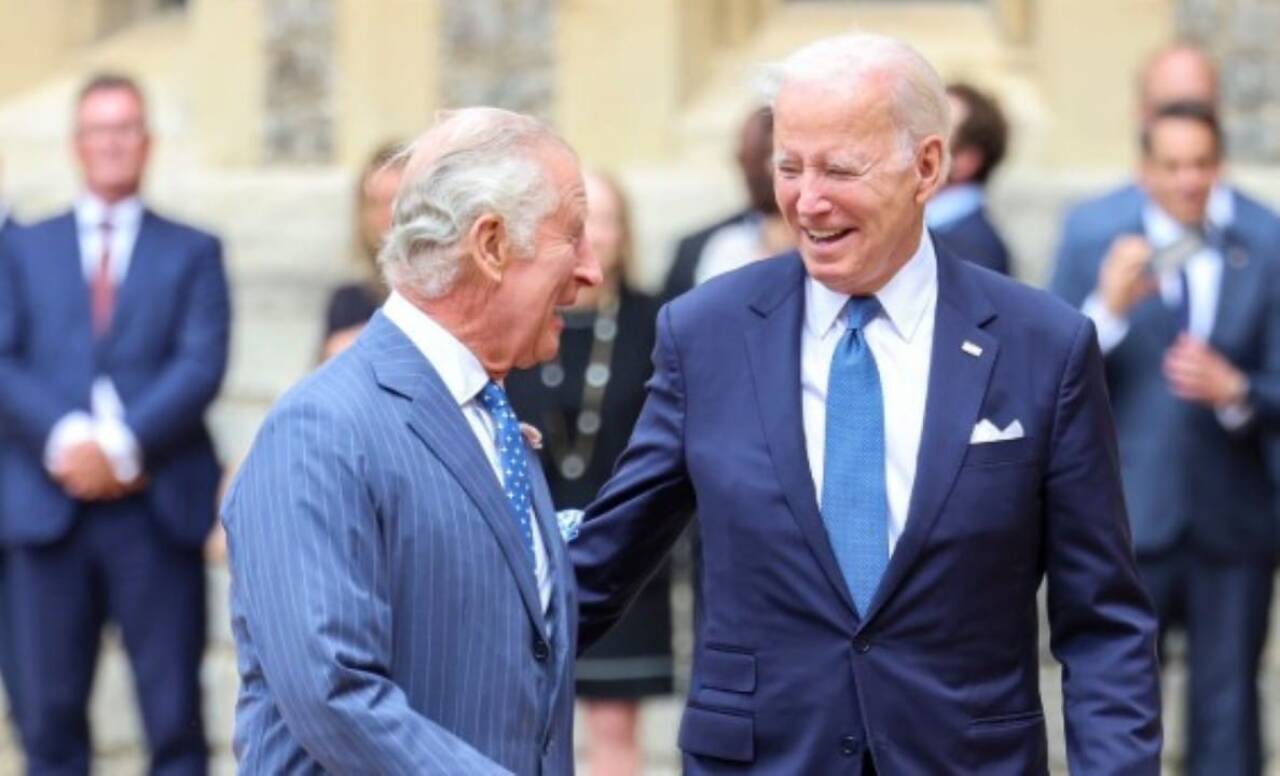
In a heartfelt gesture, King Charles III of the United Kingdom sent a letter to former U.S. President Joe Biden following the announcement of his prostate cancer diagnosis. The news, which shook the global political landscape, was revealed on Sunday, May 18, 2025, when Biden, aged 82, confirmed the illness in an official statement. The monarch’s letter, written as he himself battles cancer since 2024, underscores a shared empathy between two prominent figures facing health challenges. This act strengthens the diplomatic ties between the two nations at a time when the world watches the health of global leaders closely.
The letter, according to sources close to Buckingham Palace, was handwritten by the king, adding a personal touch to the message. Biden, who stepped down from the presidency in January 2025, expressed gratitude for the support from not only the king but also leaders and citizens worldwide. The exchange occurs amid a delicate period, with both men undergoing intensive medical treatments. Biden’s diagnosis, described as aggressive, has mobilized U.S. medical teams to determine the best course of action.
#19May #Biden
— Reporte Ya (@ReporteYa) May 19, 2025
El Rey Carlos III de Inglaterra envió una carta a Joe Biden tras el anuncio de su diagnóstico de cáncer avanzado https://t.co/64U4tGiHKJ –@infobae #VacaMediática
Prostate cancer, as announced, is at an advanced stage, requiring immediate intervention. Specialists consulted by Biden have begun evaluations to decide on treatments, which may include radiation, hormone therapy, or surgical procedures. The former president’s health situation has sparked discussions about transparency among political leaders regarding serious illnesses. Additionally, King Charles III’s gesture has highlighted how personal experiences with cancer can connect figures across nations.
- Diagnosis timeline: The announcement was made on May 18, 2025, via an official statement.
- Biden’s response: The former president thanked global supporters on the X platform.
- King Charles’s context: Diagnosed with cancer in 2024, the monarch maintains a limited schedule.
- Diplomatic significance: The letter reinforces U.K.-U.S. relations.
Global reactions to Biden’s diagnosis
The news of Joe Biden’s cancer diagnosis spread rapidly worldwide, prompting messages of support from leaders across the globe. The current U.S. president, in office since January 2025, issued a statement wishing strength to his predecessor. In the U.K., the British prime minister also spoke out, praising Biden’s courage in publicizing the diagnosis. The former president’s transparency was seen as a model for raising awareness about the importance of regular screenings, particularly for men over 50.
Beyond official responses, the public showed widespread solidarity. On social media, hashtags related to Biden’s health trended, with thousands of users sharing personal stories about prostate cancer. Health organizations, such as the American Cancer Society, seized the moment to promote information on prevention and treatment. This outpouring reflects Biden’s enduring influence, even after leaving the White House, as a central figure in global politics.
Biden’s health history
Joe Biden has faced health challenges throughout his career, though none as severe as the current diagnosis. During his presidency from 2021 to 2025, he underwent regular checkups, with medical reports indicating good health for his age. In 1988, Biden survived two brain aneurysms, an episode that shaped his resilience narrative. Now, at 82, the former president confronts a new hurdle, with attention focused on his ability to endure treatment.
Prostate cancer is among the most common cancers in men, particularly in Biden’s age group. According to the World Health Organization, over 1.4 million cases are diagnosed globally each year. Given the advanced stage of Biden’s disease, intensive care is required, but medical advancements offer hope for a positive outcome, depending on treatment response. Biden’s medical team, comprising top oncologists, is already tailoring a care plan.
- Global prevalence: Prostate cancer affects about 1 in 8 men over their lifetime.
- Risk factors: Advanced age and family history increase likelihood.
- Medical advancements: New therapies, like immunotherapy, improve outcomes.
- Prevention: PSA tests are recommended starting at age 50.
Charles III’s cancer journey
King Charles III has been battling his own cancer diagnosis since February 2024. Buckingham Palace announced at the time that the disease was caught early, allowing for more effective treatment. Since then, the monarch has scaled back public engagements, focusing on private audiences and symbolic events. His letter to Biden reflects not only a diplomatic gesture but also a personal connection, as both navigate serious health challenges.
At a Buckingham Palace event in May 2025, Charles spoke candidly about his journey, emphasizing the role of family and medical support. The 75-year-old king follows a rigorous care routine, including regular checkups and adjusted treatments. His decision to reach out to Biden reinforces the message of solidarity he has championed since his diagnosis, encouraging global cancer awareness. The correspondence between the two leaders was seen as a moment of unity amid personal struggles.
Diplomacy through health
The letter from Charles III to Joe Biden is more than an act of empathy—it symbolizes the enduring relationship between the U.K. and the U.S. The two nations share a historic alliance, strengthened by gestures of support in critical moments. During Biden’s presidency, bilateral ties were bolstered through trade agreements and cooperation on global issues like climate change and security. Now, as a private citizen, Biden receives recognition that transcends politics.
The king’s gesture also underscores the importance of leaders sharing health experiences. Both Charles and Biden have used their platforms to promote cancer awareness, advocating for early detection and treatment. While the letter remains private, leaked excerpts reveal a tone of encouragement and hope. Such interactions, analysts note, humanize public figures and foster international cooperation.
- Historic alliance: The U.K. and U.S. have shared ties since the 20th century.
- Prior encounters: Biden and Charles met at official events in 2021.
- Public health impact: Leaders influence global awareness campaigns.
Biden’s social media response
Following the diagnosis announcement, Joe Biden took to the X platform to express gratitude for the support. In a post on Monday, May 19, 2025, he highlighted the strength drawn from messages of encouragement. The post, viewed by millions, included a call for increased cancer research funding. The response from followers was swift, with thousands of comments praising his bravery.
Biden’s social media presence remains significant, even post-presidency. During his term, he used digital platforms to connect directly with the public, a strategy he continues today. The cancer post reinforced his approachable image, willing to share moments of vulnerability. The mention of Charles III’s letter in some replies underscored the global solidarity surrounding his diagnosis.
Global efforts against cancer
The diagnoses of figures like Biden and Charles III have renewed focus on global cancer initiatives. Organizations like the International Union for Cancer Control have ramped up prevention and treatment campaigns. In the U.S., federal programs allocate billions annually to oncology research, targeting innovative therapies. Biden’s case could further drive these efforts, experts suggest.
In the U.K., the National Health Service prioritizes cancer care, offering accessible screening and treatment programs. Charles III’s positive experience with the NHS highlights the value of robust healthcare systems. The leaders’ public battles, though personal, reflect a shared commitment to awareness. By disclosing their struggles, they encourage others to seek preventive care.
- U.S. funding: The National Cancer Institute received $7 billion in 2024.
- U.K. programs: The NHS provides free screenings for men over 50.
- Global campaigns: The WHO promotes World Cancer Day annually.
- Innovations: Genetic therapies are transforming cancer treatment.
Family support in Biden’s treatment
Joe Biden’s family has been a cornerstone since the diagnosis. Jill Biden, the former first lady, accompanies him to appointments and has spoken about the importance of emotional support during treatment. Biden’s children and grandchildren are also involved, ensuring a balanced routine. Family presence, doctors note, is vital for oncology patients’ well-being.
During his presidency, Biden often credited his family’s strength, particularly after losing his son Beau to brain cancer in 2015. That experience made Biden a vocal advocate for cancer-related health policies. Now, facing his own battle, he relies on the same support he has always valued. Sources close to the family say they are organizing a support network for the months ahead.
Advances in prostate cancer treatment
Prostate cancer, though serious, benefits from significant medical progress. Recent years have seen new therapies, like immunotherapy and next-generation hormone treatments, improve survival rates. For Biden, doctors are exploring personalized options, potentially combining multiple approaches. The disease’s aggressive nature requires close monitoring, but experts remain hopeful about current possibilities.
U.S. medical centers, such as MD Anderson Cancer Center, lead prostate cancer research. These institutions use cutting-edge technology, including high-resolution imaging and AI-guided biopsies. For patients like Biden, access to such resources is critical. Treatment is expected to begin in the coming weeks, with rigorous follow-up.
Solidarity among world leaders
The letter from Charles III to Joe Biden is not an isolated act of support among leaders. In past crises, such as the Covid-19 pandemic, heads of state exchanged similar gestures, reinforcing global cooperation. The correspondence between the king and the former president stands out for its personal nature, as both face parallel health challenges.
Other leaders, including the French president and Canadian prime minister, also sent messages to Biden. These acts, analysts say, reflect the importance of maintaining diplomatic ties in personal contexts. Leaders’ health, often under scrutiny, becomes a point of connection across nations. Charles III’s letter symbolizes not just individual support but a commitment to shared human values.
- Historical examples: Leaders like Nelson Mandela received global support during health crises.
- Symbolic impact: Solidarity gestures strengthen international alliances.
- Health and diplomacy: Leaders’ transparency inspires public health policies.
Biden’s immediate future
Post-diagnosis, Joe Biden has adjusted his schedule to prioritize treatment. The former president, who planned to attend political and charitable events, scaled back public appearances. His team noted he will remain active in social causes but focus on recovery. The decision reflects the diagnosis’s severity and Biden’s resolve to maintain influence despite challenges.
Biden’s routine now includes regular consultations and tests to track the disease’s progression. Experts note that advanced prostate cancer treatment can be lengthy, requiring patience and discipline. His family and close friends are coordinating a schedule to ensure ongoing support. Global attention remains fixed on his recovery.
Awareness and prevention efforts
Joe Biden’s case has reignited discussions about prostate cancer prevention. Doctors urge men over 50 to undergo annual screenings, such as PSA tests and digital rectal exams. Early detection, as seen in Charles III’s case, significantly boosts treatment success. Health campaigns in the U.S. and U.K. have intensified efforts to reach at-risk populations.
Organizations like the Prostate Cancer Foundation have released educational materials following Biden’s announcement. These efforts aim to reduce stigma around prostate exams, particularly among older men. Biden’s openness about his diagnosis has been praised by experts, who see him as a catalyst for cultural shifts in men’s health.
- Recommended screenings: PSA tests and rectal exams are key for early detection.
- Target age group: Men over 50 should consult urologists regularly.
- Global campaigns: Movember raises awareness for men’s health issues.
- Treatment access: Public and private healthcare systems offer diverse options.