
Why Sarah Jessica Parker almost said no to Sex and the City’s HBO deal

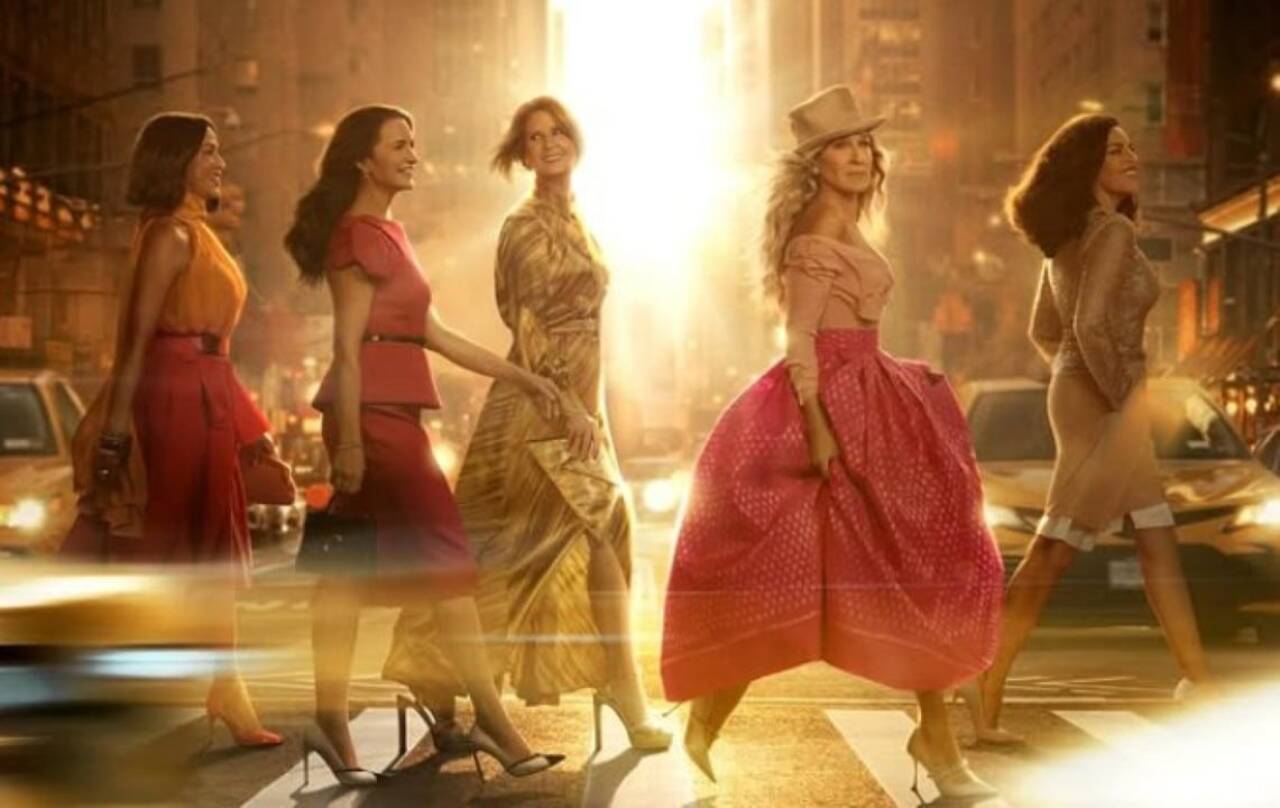
Sarah Jessica Parker’s revelation about her initial panic when HBO picked up Sex and the City has sparked fresh interest in the show’s origins. The actress, synonymous with the role of Carrie Bradshaw, shared her hesitation on the Are You a Charlotte? podcast, hosted by co-star Kristin Davis. Her candid admission sheds light on the behind-the-scenes dynamics of a series that redefined television. What drove her reluctance, and how did she embrace the role that made her a cultural icon?
- The pilot’s uncertainty: Parker filmed the pilot in 1997 but forgot about it until a producer’s praise.
- HBO’s bold move: The network’s decision to greenlight the series triggered her anxiety.
- A shift in perspective: Her agent and HBO’s flexible approach changed her mind.
This moment of doubt, now a footnote in the show’s storied history, highlights the unpredictable path of a cultural phenomenon. The series, which aired from 1998 to 2004, became a cornerstone of modern television, influencing fashion, friendships, and storytelling.
Early hesitation in New York
Parker’s discomfort with committing to Sex and the City stemmed from her diverse career. Having starred in the early 1980s comedy Square Pegs and dramas like Equal Justice, she valued the freedom to pivot between television, theater, and film. The idea of a long-running series felt restrictive. She recalled walking through New York City in 1997, unaware that a producer’s casual compliment about the pilot would soon upend her plans. When HBO confirmed the series, her immediate reaction was to resist.
The actress described her panic to Davis, explaining that the repetitive nature of television work unsettled her. Unlike her previous short-lived TV projects, Sex and the City demanded a multi-year commitment. She feared losing the ability to explore varied roles, a hallmark of her career. Her instinct was to negotiate an escape, even offering HBO alternative projects to fulfill her contract.
A career shaped by variety
Parker’s reluctance was rooted in her identity as a “journeyman” actor. Her early roles showcased her versatility, from the quirky Square Pegs to stage performances and movie-of-the-week projects. She cherished the ability to move between mediums, avoiding the predictability of a single role.
- Square Pegs (1982-1983): A cult classic where Parker played a high school misfit.
- Equal Justice (1990-1991): A legal drama that highlighted her dramatic range.
- Theater work: Regular stage roles kept her connected to live audiences.
- Film roles: Smaller parts in movies provided creative flexibility.
This eclectic background made the prospect of a long-term series daunting. Parker worried that Sex and the City would anchor her to one character, limiting her ability to explore new stories. Her agent, however, saw potential in HBO’s innovative approach, urging her to reconsider.
HBO’s unique pitch
HBO’s reputation as a risk-taker played a pivotal role in swaying Parker. In the late 1990s, the network was carving a niche with groundbreaking content, distinct from traditional broadcast television. Former HBO chairman Chris Albrecht offered Parker a deal that eased her concerns: commit to one year, with the option to leave if she remained unsatisfied.
This flexibility transformed her perspective. The oppressive weight of a multi-year contract gave way to curiosity about the show’s potential. Parker recalled the first day of shooting, just blocks from her New York City home, as a turning point. The convenience of walking to work, coupled with the creative energy on set, dispelled her doubts.
The pilot’s unexpected journey
The Sex and the City pilot, filmed in 1997, was a gamble for HBO. Created by Darren Star and based on Candace Bushnell’s book, it blended sharp humor, bold themes, and a distinctly female perspective. Parker’s role as Carrie Bradshaw, a fashion-forward columnist navigating love and friendship, was central to its appeal. Yet, after filming, she moved on, assuming the project might never surface.
A chance encounter with a producer on a New York street rekindled her awareness. The producer’s enthusiasm hinted at the pilot’s promise, but Parker remained skeptical. When HBO greenlit the series, her anxiety peaked. The network’s faith in the show, however, proved justified, as it became a cultural touchstone.
Redefining television storytelling
Sex and the City debuted on June 6, 1998, to critical acclaim. Its frank exploration of relationships, sexuality, and independence resonated with audiences. Parker’s portrayal of Carrie, balancing vulnerability and wit, earned her widespread praise. The show’s success hinged on its ensemble cast—Kristin Davis as Charlotte, Cynthia Nixon as Miranda, and Kim Cattrall as Samantha—whose chemistry elevated the narrative.
- Six seasons: The series ran from 1998 to 2004, with 94 episodes.
- Emmy wins: Seven awards, including two for Parker as Best Actress.
- Cultural impact: Influenced fashion trends and female-led storytelling.
- Spin-offs: Two films and the revival series And Just Like That followed.
The show’s blend of humor and heart set a new standard for premium cable dramas. Its New York City backdrop, from bustling streets to iconic bars, became a character in itself.
Parker’s evolution as Carrie
Despite her initial fears, Parker embraced Carrie Bradshaw with depth and authenticity. The role demanded a balance of glamour and relatability, as Carrie navigated dating, career challenges, and friendships. Parker’s performance, marked by expressive monologues and bold fashion choices, made Carrie a household name.
Shooting in New York added a layer of realism. Parker noted the ease of filming near her home, a stark contrast to the grueling commutes of studio-based shows. This connection to the city grounded her performance, allowing her to channel its energy into the role. Over six seasons, she grew alongside Carrie, adapting to the character’s evolving storylines.
The ensemble’s dynamic
The strength of Sex and the City lay in its ensemble. Kristin Davis, Cynthia Nixon, and Kim Cattrall brought distinct perspectives to their roles, creating a dynamic that resonated with viewers. Off-screen, the cast developed a camaraderie that mirrored their characters’ bonds. Parker’s podcast appearance with Davis highlighted their enduring friendship, rooted in shared experiences on set.
Each actress faced unique pressures. Nixon, for example, balanced her role with theater commitments, while Cattrall navigated the intensity of Samantha’s bold persona. Their collective effort elevated the show, making it a benchmark for character-driven storytelling.
Fashion as a narrative tool
Sex and the City’s influence extended beyond storytelling to fashion. Carrie’s eclectic wardrobe, curated by costume designer Patricia Field, became a cultural phenomenon. From Manolo Blahnik heels to Fendi baguettes, the show shaped trends and popularized designer brands.
- Iconic looks: Carrie’s tutu in the opening credits became a symbol of the show.
- Designer spotlight: Brands like Dior and Chanel gained mainstream attention.
- Budget challenges: Early seasons relied on thrift store finds for authenticity.
- Lasting legacy: The show’s fashion inspired countless blogs and exhibitions.
Parker’s input on Carrie’s style added authenticity, reflecting her own appreciation for design. The show’s visual language, blending high fashion with everyday wear, spoke to its themes of individuality and self-expression.
The revival and beyond
The success of Sex and the City paved the way for And Just Like That, a revival series launched in 2021. Premiering its third season on May 29, 2025, on Max, the show follows Carrie, Miranda, and Charlotte in their 50s, tackling new challenges. Parker’s return as Carrie underscores her enduring connection to the character, despite her early doubts.
The revival has sparked debate among fans, with some praising its fresh perspective and others nostalgic for the original’s tone. Its focus on aging, loss, and reinvention reflects the cast’s real-life evolution. Parker has spoken about the emotional weight of revisiting Carrie, particularly after the original series’ cultural impact.
Production challenges in the early days
Filming Sex and the City in its early seasons presented logistical hurdles. New York City’s unpredictable weather and crowded streets complicated location shoots. Parker recalled the excitement of working in familiar neighborhoods, but the cast and crew often faced long hours and tight schedules.
HBO’s commitment to authenticity shaped the show’s aesthetic. Unlike soundstage productions, Sex and the City leaned on real locations, from West Village brownstones to SoHo boutiques. This approach, while challenging, gave the series its distinctive feel, immersing viewers in Carrie’s world.
Audience connection and legacy
Sex and the City’s appeal lay in its relatability. Viewers saw themselves in the characters’ triumphs and struggles, from dating mishaps to career pivots. The show’s dialogue, sharp and confessional, invited audiences into intimate conversations. Parker’s voiceovers as Carrie, drawn from her column, added a reflective layer to the narrative.
The series’ legacy endures through syndication, streaming, and fan communities. Its exploration of friendship and independence remains timeless, inspiring shows like Girls and Insecure. Parker’s journey from panic to pride mirrors the show’s improbable rise, a testament to the power of taking risks.





