US Supreme Court allows deportation of 532,000 immigrants from four countries


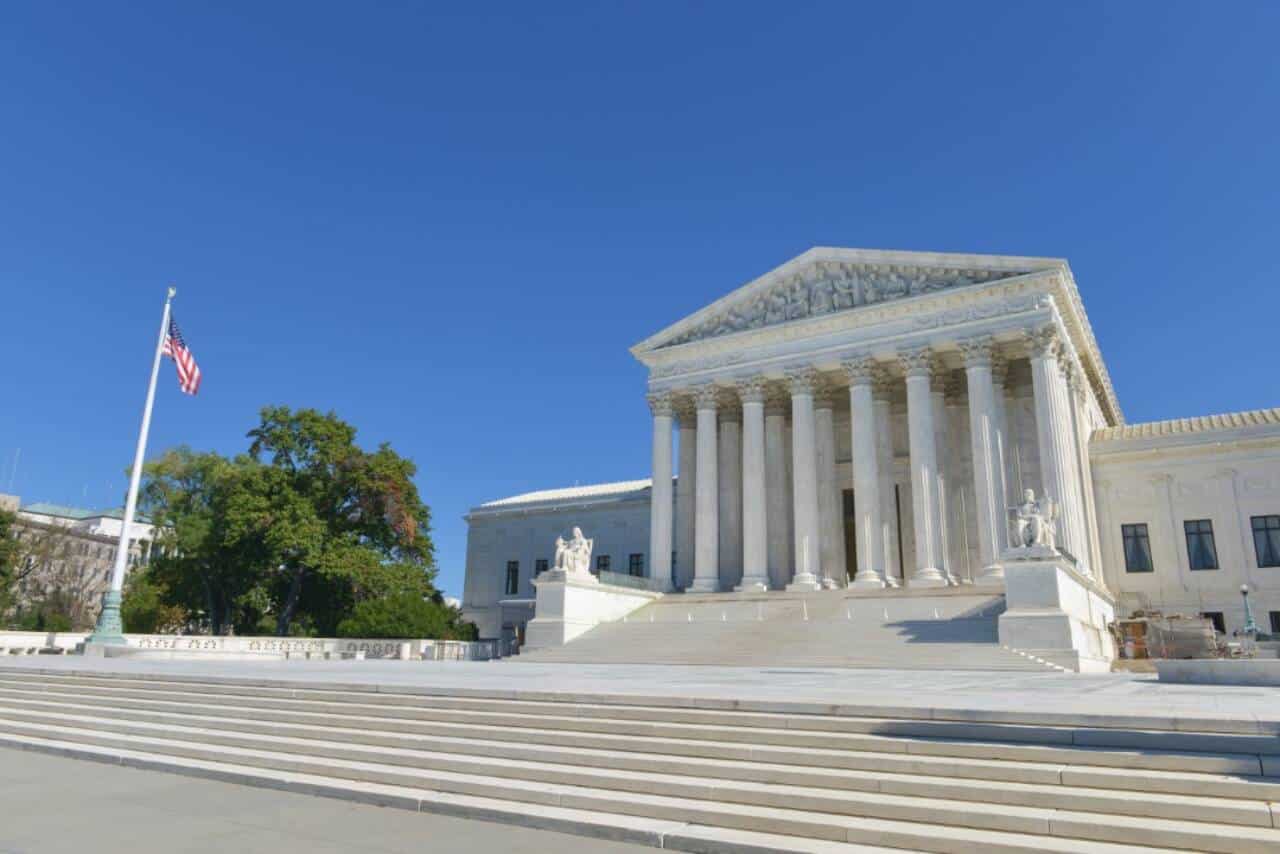
The US Supreme Court authorized, on Friday, May 30, 2025, the revocation of temporary legal status for 532,000 Venezuelan, Cuban, Haitian, and Nicaraguan immigrants, enabling President Donald Trump’s administration to initiate deportation processes. The decision, made without public justification, overturned a 2022 migration policy by former President Joe Biden that granted legal entry and temporary stay to citizens of these four countries. The program required a US sponsor for financial support and offered work authorization for two years. The measure, which does not affect Brazilians, was blocked in April by a Boston court, but the Supreme Court lifted the suspension, with two justices dissenting. The ruling paves the way for mass deportations, while immigrants fear returning to crisis-stricken countries.
The Trump administration attempted to cancel the program in March 2025 but faced judicial resistance. Biden’s policy aimed to provide humanitarian protection to immigrants fleeing political instability and violence. The Court’s decision, with an undisclosed vote, reflects its nine-member, mostly conservative composition.
- Key points of the ruling:
- Revocation of legal status for 532,000 immigrants.
- Affects Venezuelans, Cubans, Haitians, and Nicaraguans.
- Does not impact Brazilians or other nationalities.
- Authorizes immediate deportations without new asylum processes.
Migration program in focus
The 2022 policy allowed legal entry for immigrants based on humanitarian criteria. To qualify, each person needed a US sponsor responsible for financial support. The program granted work and residence authorization for two years, with renewal options. Data from the Department of Homeland Security indicates 532,000 people benefited by 2024. The policy’s revocation halts new applications and suspends pending renewals.
The program was seen as an alternative to irregular migration, reducing dangerous border crossings. Its suspension, now upheld by the Supreme Court, may increase pressure on border cities like El Paso and San Diego, where detention centers are already at capacity.
Arguments before the Court
The Department of Justice, representing the Trump administration, defended the program’s revocation. It argued that Biden’s policy hindered control of illegal entries and contradicted measures approved in the November 2024 election that returned Trump to the Presidency. The argument emphasized the need for stricter migration policies aligned with the Republican platform.
Conversely, affected immigrants filed appeals with the Supreme Court. They reported risks of deportation to countries facing severe humanitarian crises, such as Venezuela, with ongoing food and medicine shortages, and Haiti, marked by gang violence. Many stated that the loss of legal status separates them from family and halts ongoing asylum applications.
- Risks highlighted by immigrants:
- Return to countries with political instability.
- Persecution and violence in home nations.
- Family separation in the US.
- Suspension of asylum and other benefit applications.
Reactions to the ruling
Human rights organizations expressed concern over the Supreme Court’s decision. In statements, groups like Amnesty International and Human Rights Watch highlighted the humanitarian impact. Activists in cities like Miami and New York, home to large Venezuelan and Haitian communities, are planning protests in the coming days. Community representatives are urging the federal government to create alternatives to protect affected immigrants.
Local authorities also voiced unease. Mayors of cities with significant immigrant populations, such as Los Angeles and Houston, warned of strained social services if deportations accelerate. Conversely, governors of Republican states like Texas and Florida supported the ruling, advocating for stricter migration policies.
History of migration policies
The immigration parole, the basis of Biden’s program, is a mechanism under US law. It allows temporary entry for humanitarian reasons or public benefits, such as family reunification or personal safety. Since the 1990s, it has been used to protect specific groups, like refugees from conflicts in the Middle East and Central America.
The Trump administration, during its first term (2017-2021), implemented measures to restrict immigration, including reducing humanitarian visas. The revocation of Biden’s program reinforces this approach, aligning with 2024 campaign promises. Data from the US Citizenship and Immigration Services shows that, in 2024, the US processed 1.2 million asylum applications, 40% involving Venezuelans and Haitians.
Impact on immigrant communities
Affected communities face uncertainty. In Miami, home to about 200,000 Venezuelans, community leaders report increased demand for legal assistance. Many immigrants, employed in sectors like construction and services, fear losing legal work rights. Schools in areas with high immigrant populations, such as Broward County, Florida, are preparing psychological support for children of affected families.
- Impacted sectors:
- Construction: high presence of Haitian workers.
- Domestic services: many Venezuelans employed.
- Retail trade: Cubans in small businesses.
- Education: immigrant children in public schools.
Trump administration measures
The federal government announced, in January 2025, incentives for immigrants who voluntarily leave the US. A program offers $1,000 to undocumented individuals who agree to depart. However, this does not apply to the 532,000 immigrants affected by the Supreme Court ruling, who held temporary legal status. Military aircraft were used in January to transport deported immigrants, according to images released by the White House.
The Department of Homeland Security plans to intensify deportation operations starting in June 2025. Detention centers in states like Arizona and New Mexico are being expanded to accommodate more detainees. The government also suspended asylum application processing for those affected by the program’s revocation.
Conditions in countries of origin
The four affected countries face significant crises. In Venezuela, accumulated inflation in 2024 reached 1,200%, according to the International Monetary Fund. Haiti reports clashes between gangs in Port-au-Prince, with 80% of the capital under armed group control. Cuba faces energy and food shortages, while Nicaragua experiences repression of government opponents. These conditions heighten immigrants’ fears about deportation.
- Crises in the countries:
- Venezuela: hyperinflation and humanitarian crisis.
- Haiti: gang violence and instability.
- Cuba: food and energy rationing.
- Nicaragua: political repression and unemployment.
Deportation preparations
The Immigration and Customs Enforcement (ICE) announced the opening of new detention centers in three states. Total capacity will increase by 15,000 spaces by the end of 2025. Deportation operations will prioritize major cities like New York and Chicago, where immigrants from the four countries are concentrated. ICE also secured agreements with airlines for deportation flights.
Community organizations are working to inform immigrants of their rights. Free legal clinics are being organized in churches and community centers. However, the suspension of asylum applications limits legal options for many.
International repercussions
The Supreme Court’s decision prompted reactions from international organizations. The United Nations (UN) urged the US to ensure protection for vulnerable immigrants. Countries like Colombia and Mexico, which receive migration flows from Venezuela and Haiti, expressed concern about the regional impact. Embassies of the four affected countries in the US are monitoring the situation but have not issued official statements.