Conmebol unveils 2025 Libertadores round of 16 matchups in thrilling draw Por Luís Henrique Costa
8 min de leitura
 |
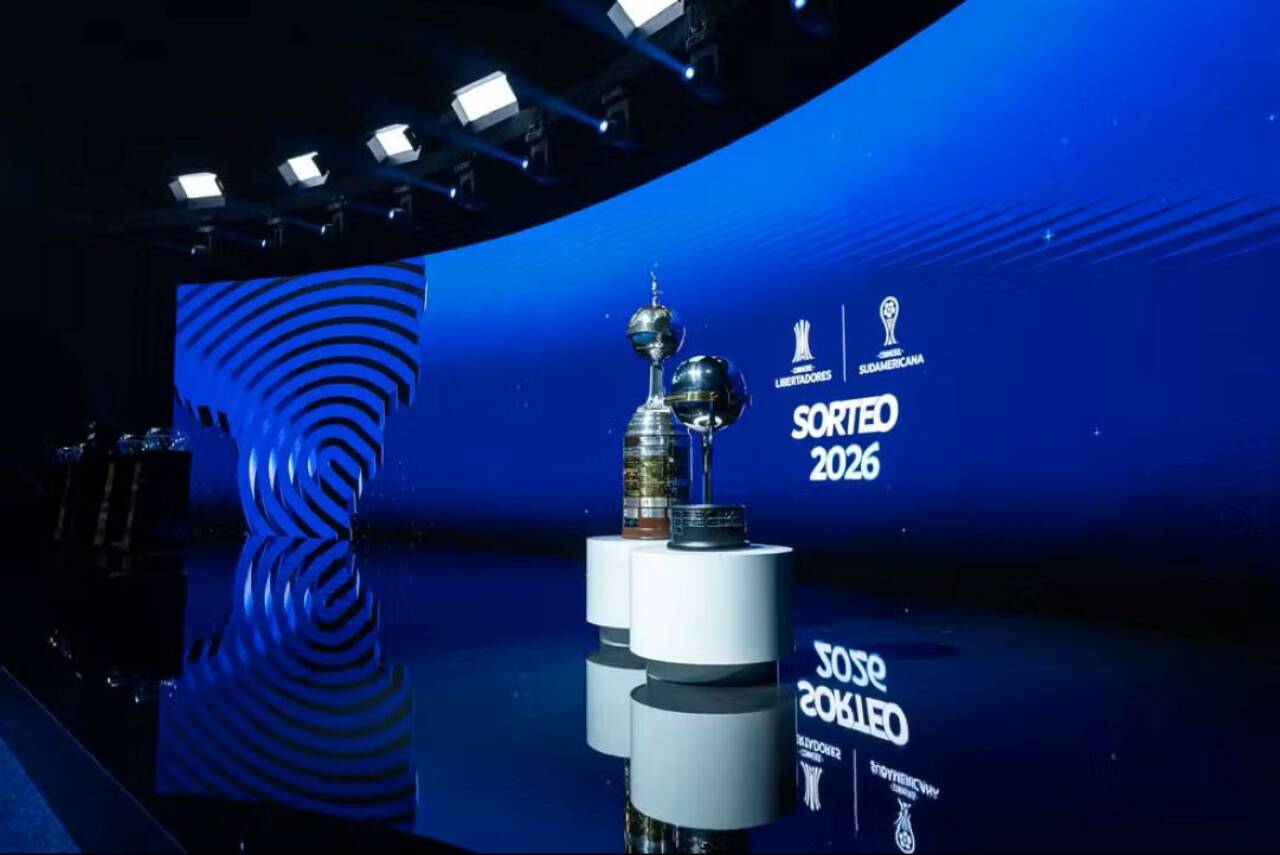
The 2025 Copa Libertadores enters its knockout stage with the round of 16 draw, held on June 2, 2025, at Conmebol’s headquarters in Luque, Paraguay. Directed by Fred Nantes, Conmebol’s competitions and operations director, the event outlined eight matchups featuring 16 teams from seven countries: Brazil, Argentina, Paraguay, Peru, Ecuador, Colombia, and Uruguay. Scheduled for August 13 and 20, the matches promise fierce competition among historic clubs and standout performers from the group stage. The path to the final, set for November 29 in Lima, Peru, has been mapped out, with two-leg ties determining the quarterfinalists. The draw’s open format allows clashes between teams from the same country or those who met in the group phase.
The draw adhered to a structured process, dividing teams into two pots. Pot 1 included group winners, who will host the second leg, while Pot 2 comprised second-placed teams, hosting the first leg. This setup ensures unpredictable pairings, potentially reigniting storied rivalries.
Now in its 66th edition, the tournament maintains its two-leg knockout format, with winners advancing to the final. Lima’s selection as the final’s host reinforces the Monumental stadium’s legacy, which saw Flamengo’s dramatic 2019 comeback against River Plate.
- Key matchups defined:
- Atlético Nacional (COL) vs. São Paulo (BRA)
- Fortaleza (BRA) vs. Vélez Sarsfield (ARG)
- Flamengo (BRA) vs. Internacional (BRA)
- Universitario (PER) vs. Palmeiras (BRA)
- Libertad (PAR) vs. River Plate (ARG)
- Cerro Porteño (PAR) vs. Estudiantes (ARG)
- Peñarol (URU) vs. Racing (ARG)
- Botafogo (BRA) vs. LDU (ECU)
Draw mechanics
The round of 16 draw was designed for transparency and fairness. Conducted with independent auditing, it imposed no restrictions, allowing matchups between teams from the same nation or group. The process began by drawing a team from Pot 2, followed by an opponent from Pot 1, forming the eight ties.
Pot 1 featured group winners: Palmeiras, São Paulo, Racing, River Plate, Estudiantes, Vélez Sarsfield, Internacional, and LDU. Pot 2 included second-placed teams: Botafogo, Peñarol, Flamengo, Fortaleza, Atlético Nacional, Libertad, Universitario, and Cerro Porteño. The draw order shaped the ties, with group winners securing home advantage in the second leg.
- Draw methodology details:
- Pot 1: teams finishing first in their groups.
- Pot 2: teams finishing second in their groups.
- First legs: August 13, hosted by Pot 2 teams.
- Second legs: August 20, hosted by Pot 1 teams.
The lack of geographic or group-based restrictions heightens competitiveness, as clubs with longstanding rivalries may face off early in the knockout phase.
Journey to the round of 16
The group stage, concluded on May 29, featured standout performances and surprises. After 126 matches, the 16 qualifiers demonstrated consistency, with Palmeiras achieving a perfect record in Group G. Other group winners, like São Paulo and River Plate, also reached the knockouts unbeaten, while second-placed teams, such as Botafogo and Flamengo, clinched their spots in tight final-round battles.
Brazil leads with six representatives: Palmeiras, São Paulo, Internacional, Botafogo, Flamengo, and Fortaleza. Argentina follows with four clubs (River Plate, Estudiantes, Racing, and Vélez Sarsfield), alongside Paraguay (Libertad and Cerro Porteño), Peru (Universitario), Ecuador (LDU), Colombia (Atlético Nacional), and Uruguay (Peñarol). Bahia, the only Brazilian team eliminated in the group stage, will compete in the Copa Sudamericana.
Each group had its dynamics. In Group A, Botafogo and Estudiantes advanced after a close race with Universidad de Chile. Group B saw River Plate dominate, with Universitario securing second. Group C featured LDU and Flamengo overcoming Deportivo Táchira, while Group D crowned São Paulo as leaders, followed by Libertad.
Highlighted matchups
The drawn ties include clashes set to captivate the continent. Atlético Nacional, champions in 1989 and 2016, face São Paulo, winners in 1992, 1993, and 2005, in a battle of titans. Fortaleza, in its third Libertadores appearance, takes on Vélez Sarsfield, chasing a repeat of their 1994 triumph.
The all-Brazilian clash between Flamengo and Internacional rekindles a historic rivalry. Flamengo, a three-time champion, meets Internacional, a two-time winner, in a matchup pitting two of Brazil’s biggest clubs. Universitario, 1972 finalists, face a daunting challenge against Palmeiras, the group stage’s top performer.
- Most anticipated games:
- Flamengo vs. Internacional: a Brazilian classic with a history of high-stakes encounters.
- Peñarol vs. Racing: a South American rivalry between continental champions.
- Botafogo vs. LDU: a duel between the reigning champions and the 2008 winners.
Historical context of matchups
Several ties revive past battles. Palmeiras and Universitario clashed in 1971, with a Brazilian victory. Flamengo and Internacional have a storied history, including tight matches in previous editions. Peñarol and Racing reignite a Uruguay-Argentina rivalry from the 1960s and 1980s.
Botafogo, the current champions, face LDU, recalling Ecuador’s stunning 2008 campaign. River Plate, Conmebol’s top-ranked team, take on Libertad, who aim for their first semifinal in over a decade. Cerro Porteño and Estudiantes revisit encounters from the 1960s and 1970s.
Path to the final
The draw also set the bracket through to the final. Teams advancing from the round of 16 will face new opponents in September’s quarterfinals, scheduled for September 17 and 24. The semifinals, in October, lead to the November 29 final in Lima. The stadium is yet to be confirmed, but the Monumental is the frontrunner due to its history with single-leg finals.
Lima’s selection continues the trend of neutral-site finals, started in 2019. The city, which hosted Flamengo’s 2019 victory, prepares for another chapter of “Eternal Glory.” Winners of the round of 16 will follow a fixed bracket, with group winners retaining home advantage until the semifinals.
- Upcoming phase dates:
- Quarterfinals: September 17 and 24.
- Semifinals: October 22 and 29.
- Final: November 29, in Lima.
Team profiles
The 16 qualifiers bring diverse legacies. Palmeiras, with three titles, remain unbeaten and lead Brazil’s Conmebol rankings. São Paulo, with consistent campaigns, eye a fourth title. River Plate, with four trophies, are Argentina’s favorites, while Peñarol, with five, aim to reclaim their throne.
Fortaleza, the least experienced Brazilian side, reach the round of 16 for the second time, matching their 2022 run. Atlético Nacional, with two titles, carry Colombia’s hopes, and LDU, 2008 champions, rely on Quito’s altitude. Cerro Porteño, with 46 appearances, are Paraguay’s most seasoned contenders.
Tournament significance
The 2025 Libertadores remains South America’s premier club competition. The winner earns spots in the 2025 Intercontinental Cup, the 2026 Recopa Sudamericana, the 2026 Libertadores group stage, and the 2029 Club World Cup. The multi-million-dollar prize pool further incentivizes clubs.
The tournament showcases South American football’s diversity, with seven nations represented. Brazil’s six teams underscore their recent dominance, having won the last six editions, with Botafogo as the defending champions.
Match preparations
Teams are now fine-tuning strategies for August’s clashes. Coaches analyze opponents, while fans fill stadiums and plan trips. The Club World Cup break, from June to July, allows time for signings and tactical adjustments.
The first legs, on August 13, will be hosted by second-placed teams, with venues like Nilton Santos (Botafogo), Maracanã (Flamengo), and Castelão (Fortaleza) in focus. The second legs, on August 20, feature iconic stadiums like Allianz Parque (Palmeiras) and Monumental de Núñez (River Plate).
- Confirmed second-leg venues:
- Allianz Parque: Palmeiras vs. Universitario.
- Beira-Rio: Internacional vs. Flamengo.
- Monumental de Núñez: River Plate vs. Libertad.
- José Amalfitani: Vélez Sarsfield vs. Fortaleza.
Matchup trivia
The ties carry historical weight. São Paulo and Atlético Nacional met in the 1995 semifinals, with a Brazilian win. Flamengo and Internacional contested the 1981 Libertadores, with Flamengo prevailing. Peñarol, with five titles, are the most decorated team in the round, followed by River Plate and Estudiantes, with four each.
The 2025 edition marks River Plate’s 30th round of 16 appearance, a record among participants. Palmeiras, with a perfect group stage, are the only team with a 100% win rate, while Botafogo defend their 2024 title, won against Atlético-MG.
Fan anticipation
The round of 16 draw sparked excitement across social media and fan gatherings. In São Paulo, Tricolor fans plan massive support against Atlético Nacional. In Rio de Janeiro, the Flamengo-Internacional rivalry dominates conversations. In Buenos Aires, Racing and River Plate mobilize their supporters, while in Montevideo, Peñarol fans dream of a historic run.
Tickets for the first legs are already on sale in some countries, with prices varying by venue. In Brazil, tickets start at R$50 for bleachers, while in Buenos Aires and Montevideo, the cheapest seats cost around US$10.
- Average ticket prices:
- Brazil: R$50 to R$300.
- Argentina: US$10 to US$50.
- Uruguay: US$12 to US$40.
- Paraguay: US$8 to US$30.