Mother finds rat in baby’s diaper in Rio, prompts police investigation Por Luís Henrique Costa
9 min de leitura
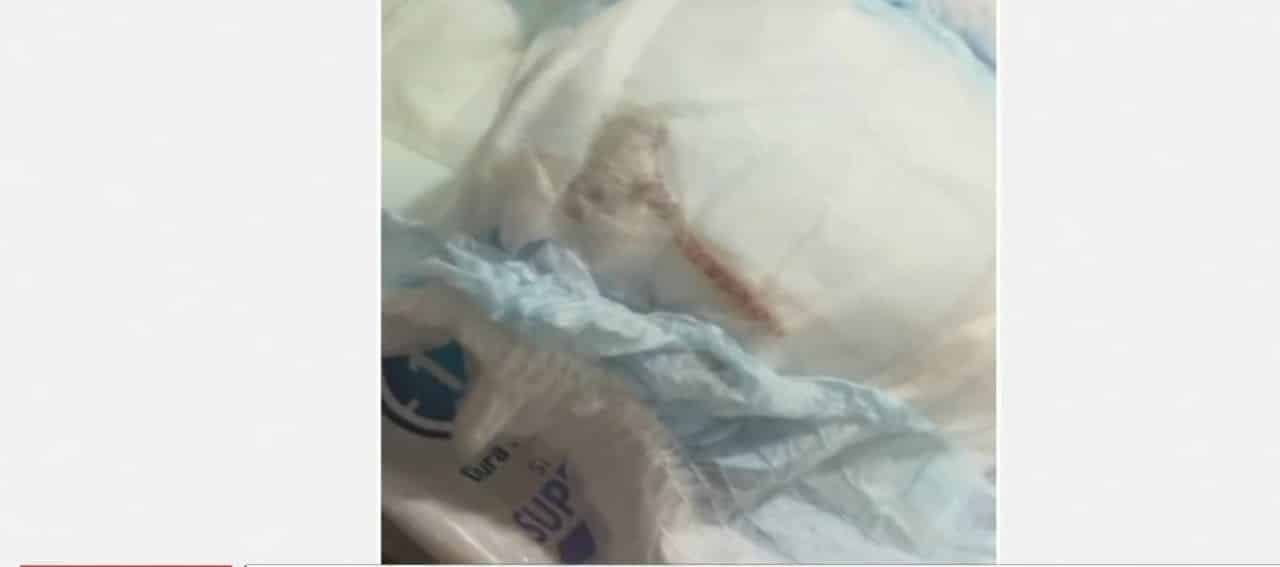 |
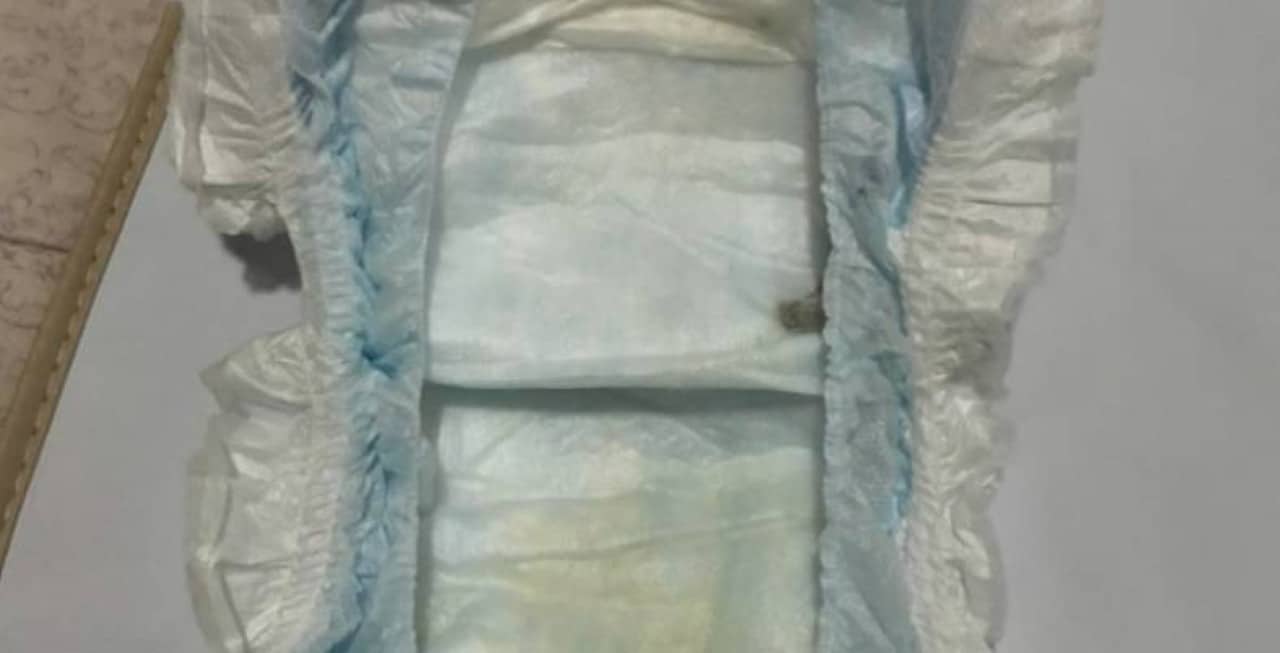
A shocking incident rattled a family in Rio de Janeiro on June 2, 2024, when a mother discovered a dead rat inside a diaper used on her one-month-old baby. The event took place in a residence in the state capital during a diaper change performed in the early hours. The mother, who chose to remain anonymous, reported that the animal was beneath the first layer of cotton in the diaper, suggesting a potential issue in the manufacturing process. The packaging showed no signs of tampering, reinforcing suspicions of a production flaw. After the scare, the mother filed a report with the Consumer Police Station, which seized the diaper for forensic analysis. The state’s Health Surveillance Agency was called to investigate the responsible factory, while the diaper’s manufacturer offered a refund or product replacement, reportedly showing little initial concern for the baby’s health, according to the mother. The case sparked outrage and raised questions about hygiene standards in the infant product industry.
The discovery unfolded in two stages. Around 3:30 a.m., the mother changed the diaper in the dark to avoid waking the baby, noticing nothing unusual. By 7:30 a.m., during another change in daylight, she spotted a foreign object, identified as a dead rat.
The mother’s response was swift:
- She cleaned the baby’s skin to prevent health risks.
- She contacted the manufacturer’s Customer Service (SAC).
- She filed a report at the Consumer Police Station.
The case is now under police investigation, with the diaper sent for forensic examination. The State Health Department stated that factory inspections fall under the state Health Surveillance Agency’s jurisdiction, but it has not confirmed whether an inspection of the involved facility has occurred.
Incident details
The mother’s account describes a moment of panic. During the morning change, she felt an unusual texture in the diaper, which seemed to contain a rigid object. Upon closer inspection, she identified a small rat trapped between the absorbent layer and the outer lining. The diaper came from a newly opened pack purchased at a local supermarket, with no tears or signs of tampering in the packaging. The mother, in media interviews, emphasized that the shock was worsened by the possibility that the baby had been in contact with the animal for hours, as the diaper was worn for about four hours.
The product’s packaging was sealed and handed over to the police for analysis, which aims to determine whether the rat was present during manufacturing or introduced at another stage of the supply chain. Preliminary reports indicate that the Health Surveillance Agency plans to check the factory’s hygiene conditions, including pest control and equipment maintenance.
Manufacturer’s response
The mother’s interaction with the manufacturer’s SAC was marked by initial skepticism, according to her account. The company questioned the validity of the complaint before offering support related to the baby’s health. After her persistence, the manufacturer proposed refunding the cost of the pack or sending a new batch of diapers. The mother declined both offers, prioritizing the investigation and the safety of other consumers.
The company, whose name was not disclosed in initial reports, has not issued an official statement about the incident. However, similar cases in other industries suggest that manufacturers often strengthen internal controls after such complaints, implementing measures like audits and revised production processes.
Authorities’ actions
The Rio de Janeiro Consumer Police Station took charge of the case immediately after the report was filed. The seized diaper was sent to the Criminalistics Institute for detailed examination. The forensic analysis seeks to address critical questions:
- Whether the rat was present in the diaper during manufacturing.
- If there was biological contamination posing health risks.
- How the animal ended up in the inner layer without damaging the packaging.
The state Health Surveillance Agency, responsible for overseeing hygiene product industries, was notified. The agency stated that such cases require thorough inspections of production lines, focusing on:
- Storage conditions for raw materials.
- Maintenance of machinery and equipment.
- Existence of pest control programs.
- Compliance with good manufacturing practices.
No information has been released about the timing of a potential factory inspection or possible sanctions against the company.
Similar past cases
Incidents involving foreign objects in consumer products are not unprecedented in Brazil. In 2018, a popcorn factory in Recife was shut down after reports of a rat found in a Kinitos brand pack. Inspections revealed issues like dirty machinery and lack of maintenance, leading to a temporary suspension of operations. In 2010, a case in Aracaju involved a rat in a pasta pack, resulting in the closure of the responsible factory in Pernambuco.
More recently, in 2023, a supermarket in São Carlos, São Paulo, was cited after a customer spotted a rat in a bread storage area. The Health Surveillance Agency found no traces of rodents during the inspection but required enhanced pest monitoring. These episodes underscore recurring sanitary issues across sectors, from food to hygiene products.
Public health risks
The presence of a rodent in a product like a diaper raises concerns about health risks, particularly for infants with more vulnerable immune systems. Rats are vectors for diseases such as leptospirosis, salmonellosis, and hantavirus, transmitted through contact with urine, feces, or fur. In the Rio case, the mother quickly cleaned the baby, but the potential for prolonged exposure worries experts.
Proteste, a consumer protection association, has previously warned that even small traces of rodents can indicate serious sanitary failures. While Brazil’s health agency, Anvisa, allows minimal contaminant levels in foods (e.g., one hair fragment per 100 grams of chocolate), no such tolerance exists for hygiene products like diapers, which must meet strict sterility standards.
Sanitary regulations and oversight
The Rio de Janeiro Health Surveillance Agency operates under the National Health Surveillance System, linked to Brazil’s public health system (SUS). The agency is tasked with inspecting factories, warehouses, and retail points to ensure compliance with hygiene standards. For diapers, requirements include:
- Use of sterilized materials in production.
- Pest- and contaminant-free environments.
- Lot traceability to identify failures.
- Regular quality testing at all stages.
When violations are found, penalties range from fines to full shutdowns, depending on severity. In 2021, a clandestine medicine factory in Maringá, Paraná, was closed after reports of unsanitary conditions, showing the authorities’ capacity to act in critical cases.
Consumer reactions
The incident sparked outrage on social media, with parents sharing concerns about the safety of infant products. Many questioned the effectiveness of quality controls in the industry and demanded greater transparency from companies. In online forums, consumers reported similar experiences with other brands, though without official confirmation. The uproar reflects growing demand for stricter oversight of essential items like diapers, used daily by millions of families.
Consumer protection agencies, like Procon-RJ, emphasize that such complaints should be reported to the relevant authorities. Procon advises consumers to keep product packaging and file reports with specialized police stations, like the Consumer Police, to ensure thorough investigations.
Next steps in the investigation
The forensic analysis at the Criminalistics Institute will be crucial to clarifying the case. Reports are expected to determine whether the rat was incorporated during manufacturing or at another stage, such as transport or storage. The Health Surveillance Agency is set to conduct a detailed factory inspection, focusing on potential gaps in quality control.
The baby’s mother stated she will closely follow the case, demanding clear answers from the company and authorities. She also plans to have medical tests done on the baby to rule out any health issues from the incident. Meanwhile, the diaper lot in question remains under scrutiny, and authorities have not ruled out recalling other packs from the same line.
Preventive measures for consumers
Experts recommend that consumers take precautions when purchasing hygiene products:
- Check packaging integrity before buying.
- Inspect for foreign objects when opening products.
- Keep receipts and packaging in case of issues.
- Report problems to the Health Surveillance Agency or Procon.
- Choose brands with a history of sanitary compliance.
Anvisa advises filing complaints via the Fala.BR platform, with a response time of up to 30 days. State and municipal agencies also offer reporting channels, such as Rio’s 1746 hotline, which handles inspection requests.
Industry’s role in safety
Brazil’s diaper industry is governed by strict regulations requiring quality certifications and regular audits. Major manufacturers invest in technologies like filtration systems and aseptic packaging to prevent contamination. However, the Rio incident highlights that isolated failures can occur, necessitating ongoing process reviews.
Industry associations, such as Abihpec (Brazilian Association of the Personal Hygiene, Perfumery, and Cosmetics Industry), stress that companies must maintain robust pest control and hygiene programs. After high-profile cases, manufacturers often enhance training and internal inspections to prevent further issues.
Expectations for resolution
The investigation in Rio de Janeiro continues, with forensic reports expected in the coming weeks. The Health Surveillance Agency is set to release a report on the factory’s conditions, which could lead to warnings, fines, or even suspension of operations if serious violations are found.
The case serves as a warning to consumers and companies about the importance of maintaining high quality standards in everyday products. The baby’s mother, who brought the incident to light, reiterated her commitment to seeking justice, emphasizing the need to protect other families from similar situations.