
Coca-Cola brings back Diet Cherry Coke flavor in retro cans for limited run

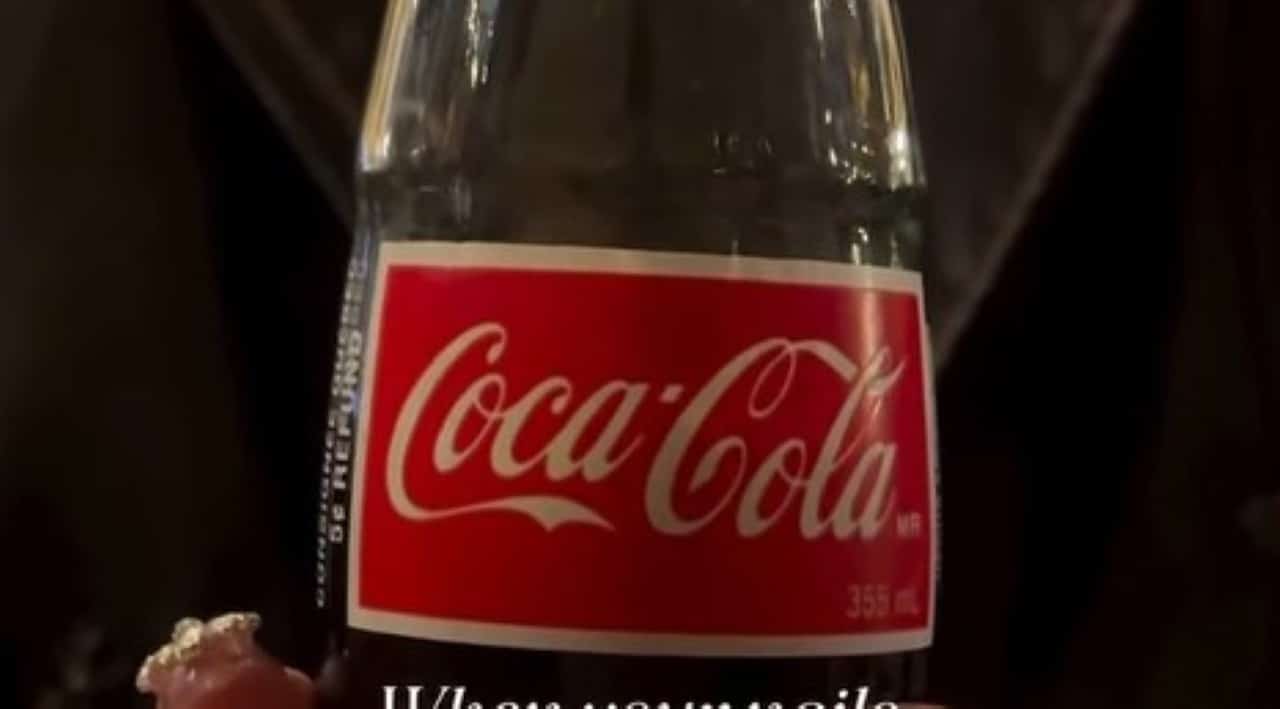
Coca-Cola announced on June 8, 2025, the return of Diet Cherry Coke, a beloved 1980s flavor, in a limited-edition release featuring retro packaging, hitting U.S. stores to captivate nostalgic fans and new consumers alike. The relaunch, centered in Atlanta, brings back the sugar-free, calorie-free cherry variant of Diet Coke, absent from shelves for years, to tap into consumer demand for classic flavors. Valued at $7.737 billion in 2024, Diet Coke remains a global top-10 soft drink brand, and this move strengthens its market presence. The announcement, shared widely on social media, has sparked excitement, with influencers and fans eagerly awaiting the product’s arrival. Coca-Cola’s strategy leverages nostalgia while reinforcing Diet Coke’s dominance against competitors like Coke Zero Sugar, amid a broader push to balance tradition and innovation in the beverage industry.
The relaunch aligns with a surge in demand for retro and unique soda flavors, as consumers seek both familiarity and novelty. Despite Coca-Cola’s efforts to promote Coke Zero Sugar, Diet Coke’s enduring popularity, boosted by endorsements from figures like Elon Musk and Donald Trump, ensures its stronghold. The company is also eyeing wellness trends but prioritizes taste, as confirmed by CEO James Quincey.
- Relaunched flavor: Diet Cherry Coke, retro packaging.
- Availability: Limited edition, U.S. market focus.
- Brand value: Diet Coke at $7.737 billion in 2024.
This nostalgic revival underscores Coca-Cola’s ability to blend heritage with modern marketing to maintain its beverage industry lead.
Nostalgic marketing approach
Coca-Cola’s decision to bring back Diet Cherry Coke taps into a growing trend where brands use nostalgia to connect with consumers. The retro packaging, inspired by 1980s designs, evokes memories of Diet Coke’s early days, when it emerged as a lighter alternative to traditional cola. Introduced as one of the first Diet Coke variants, the cherry flavor built a loyal following before its discontinuation, making its return a highly anticipated event for longtime fans.
The limited-edition release, promoted through social media influencers like Snackolator on Instagram, creates buzz and urgency, encouraging quick purchases. Coca-Cola has a history of experimenting with Diet Coke flavors, such as lime, vanilla, and twisted mango, but the cherry variant’s revival stands out for its historical significance. The move counters the company’s push for Coke Zero Sugar, which, despite a 2005 debut and 2016 rebranding, lags behind Diet Coke’s U.S. popularity.
Social media amplifies the campaign, with influencers highlighting the flavor’s rarity and nostalgic appeal. The retro cans, featuring bold colors and vintage typography, target both older consumers who recall the original and younger audiences drawn to retro aesthetics.
- Limited release: Available briefly, retro design.
- Past flavors: Lime, vanilla, ginger lime, twisted mango.
- Social media buzz: Influencers drive excitement online.
- Diet Coke vs. Zero: Diet Coke retains stronger U.S. fanbase.
Market positioning
Diet Coke’s global standing as the ninth most valuable soft drink brand in 2024, with a $7.737 billion valuation, underscores its resilience. Coca-Cola, the parent brand, dominates with a $98.716 billion valuation, followed by Pepsi and Red Bull. Other Coca-Cola products, including Sprite and Fanta, also rank among the top 11, cementing the company’s industry leadership. The Diet Cherry Coke relaunch reinforces Diet Coke’s versatility, appealing to consumers who value its distinct, lighter taste over Coke Zero Sugar’s closer resemblance to classic Coca-Cola.
Public figures like Elon Musk and Donald Trump have boosted Diet Coke’s visibility, often seen with the drink, enhancing its cultural relevance. The cherry flavor’s return capitalizes on this momentum, positioning Diet Coke as a dynamic brand capable of blending tradition with timely innovation. The limited run also sets the stage for potential future flavor revivals, depending on consumer response.
Evolving consumer trends
The soft drink market is shifting, with consumers increasingly seeking low-calorie options and unique flavors. Coca-Cola acknowledges this, but CEO James Quincey emphasized during a 2025 Q1 earnings call that taste remains paramount. While competitors like Olipop incorporate probiotics and prebiotics, Coca-Cola prioritizes flavor over functional ingredients, as Quincey noted consumers may prefer wellness benefits from non-beverage sources.
Diet Coke, calorie- and sugar-free, aligns with health-conscious trends, though its appeal lies in its familiar taste. The Diet Cherry Coke relaunch caters to the demand for nostalgic, limited-edition products, a strategy that resonates in a market where retro branding thrives. The move also contrasts with the discontinued TaB, whose fans have petitioned for a revival, highlighting the power of consumer nostalgia.
Diet Coke’s legacy
Since its 1982 debut, Diet Coke has been a cornerstone of Coca-Cola’s portfolio, surpassing TaB by offering a taste closer to the original cola. The introduction of flavors like cherry in the 1980s expanded its appeal, positioning it as a customizable soda fountain-style drink. Over decades, Diet Coke has weathered fluctuations in popularity but remains a U.S. favorite, trailing only classic Coca-Cola among the company’s offerings.
The cherry variant, a fan favorite, left a lasting impression despite its absence, with its return sparking widespread enthusiasm. The retro packaging connects to the brand’s 1980s heyday, when Diet Coke redefined diet sodas, blending innovation with broad appeal.
Consumer reactions
The Diet Cherry Coke relaunch has generated significant online buzz. Influencers, including Snackolator’s Instagram post with thousands of followers, hailed the flavor’s return as a major event, predicting strong demand. Fans on social platforms expressed excitement over the nostalgic packaging and the chance to revisit a childhood favorite, while new consumers are drawn to the limited-edition allure.
Diet Coke’s cultural prominence, amplified by its association with high-profile figures, enhances the relaunch’s impact. The cherry flavor’s history and exclusivity make it a standout in Coca-Cola’s flavor lineup, fostering emotional connections with diverse audiences.
Marketing tactics
Coca-Cola’s marketing for Diet Cherry Coke centers on nostalgia and scarcity. The retro packaging, with 1980s-inspired graphics, appeals to both longtime fans and younger consumers embracing vintage trends. The company leverages influencers on Instagram and TikTok to build anticipation, ensuring broad reach across demographics.
The limited-edition strategy drives urgency, a proven tactic to boost sales. While Coca-Cola has not specified the release duration, the flavor is expected to remain available for weeks, with potential for extension based on demand. The campaign also positions Diet Coke as a dynamic brand, open to revisiting its heritage while staying relevant.
- Marketing focus: Nostalgia, limited-time offer.
- Influencer role: Social media amplifies reach.
- Packaging appeal: Retro design targets all ages.
- Sales tactic: Scarcity drives consumer urgency.
Competitive landscape
The soft drink industry is fiercely competitive, with Pepsi ($17.689 billion), Red Bull ($22.150 billion), and Monster ($8.450 billion) vying for market share. Coca-Cola’s dominance, bolstered by Diet Coke, Sprite, and Fanta, gives it an edge. The Diet Cherry Coke relaunch differentiates the brand from competitors’ seasonal or health-focused offerings, emphasizing nostalgia as a unique selling point.
Smaller brands like Olipop and Poppi, with functional ingredients, target wellness-conscious consumers, but Coca-Cola’s scale and brand loyalty maintain its lead. The cherry flavor’s revival positions Diet Coke as both timeless and adaptable, appealing to a broad consumer base.
Future directions
Coca-Cola is attuned to consumer preferences, as Quincey noted, evaluating whether functional ingredients like probiotics align with demand. The Diet Cherry Coke relaunch reflects a cautious approach, prioritizing taste while testing the market for retro flavors. Success could prompt additional limited-edition releases or even a permanent return of cherry.
The company’s focus on taste over health additives sets it apart from competitors, though future innovations may incorporate wellness trends if consumer behavior shifts. The relaunch also signals Coca-Cola’s flexibility in responding to cultural and market dynamics.
Distribution and availability
Diet Cherry Coke began rolling out to U.S. stores in early June 2025, available at supermarkets, convenience stores, and online retailers. The release is U.S.-focused, with no confirmed plans for international markets, where Diet Coke’s popularity varies. Special displays and social media promotions enhance visibility, driving in-store and online sales.
Coca-Cola is monitoring consumer feedback to gauge the relaunch’s success, which could influence future flavor revivals or expanded distribution. The limited run ensures high initial demand, with logistics optimized for widespread availability.





