
Sly Stone, creator of Family Stone’s unique sound, dies at 82 in peace
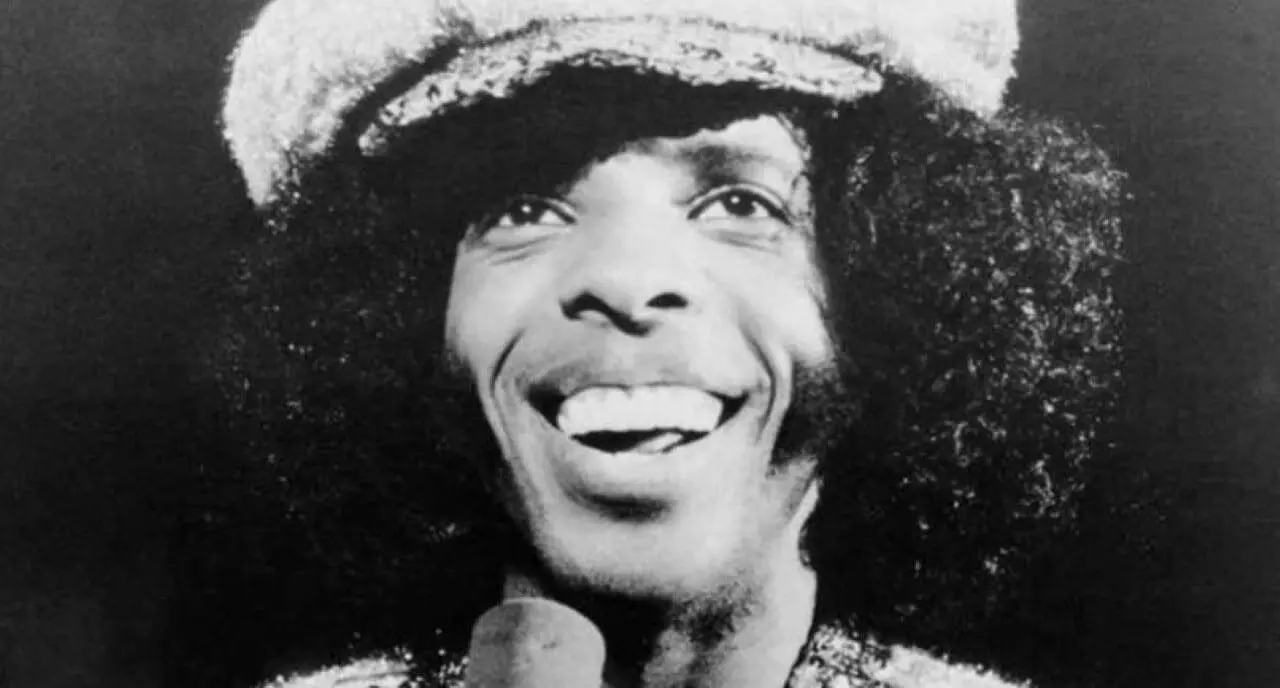
Sylvester Stewart, known as Sly Stone, passed away at 82 on Monday, June 9, 2025, after a long battle with Chronic Obstructive Pulmonary Disease (COPD) and other health issues. The leader of Sly & the Family Stone, who revolutionized music in the 1960s and 1970s by blending funk, rock, soul, and pop, died surrounded by his three children, close friends, and extended family. His death, confirmed by a family statement, marks the end of the journey of one of history’s most innovative artists, whose work influenced generations of musicians. The news shook fans worldwide, but his oeuvre, marked by anthems like “Everyday People” and “Dance to the Music,” continues to inspire. The family revealed that Stone recently completed the screenplay for his biopic, a highly anticipated project.
Born in Texas in 1943, Stone began his career as a child, singing with his siblings in the group The Stewart Four. His musical genius flourished in California, where he stood out as a producer, DJ, and later, leader of a band that broke racial and gender barriers. The impact of Sly & the Family Stone goes beyond music, representing a cultural milestone of unity and celebration in turbulent times.
- Key contributions of Sly Stone:
- Creation of a hybrid sound blending funk, rock, soul, and pop.
- Lyrics promoting equality and solidarity, as in “Everyday People.”
- Memorable live performances, including the legendary Woodstock show in 1969.
- Influence on artists like Prince, Miles Davis, and Red Hot Chili Peppers.
Stone’s journey, however, was also marked by personal challenges, including struggles with drug addiction and periods of reclusion. His story is a testament to the genius and complexity of an artist who changed the course of popular music.
Origins of a visionary
Sylvester Stewart grew up in a musical family in Texas, where he began singing gospel at age four alongside his siblings Rose, Freddie, and Vaetta. In 1952, The Stewart Four released their first single, “On the Battlefield,” marking the start of his journey. After the family moved to California, Stone immersed himself in the vibrant Bay Area music scene. As a producer at Autumn Records, he worked on hits like Bobby Freeman’s “C’mon and Swim” and “Somebody to Love” by The Great Society. His experience as a DJ at KSOL and KDIA also shaped his vision of music without racial barriers, an idea he would carry forward with the Family Stone.
In his teens, Stone already showed versatility, playing multiple instruments and writing songs that blended genres. His ability to unite different musical styles was key to the innovative sound he would develop years later.
Formation of the Family Stone
Sly & the Family Stone began to take shape between 1966 and 1967, bringing together a diverse group that included Stone’s siblings Rose and Freddie, cousins Greg Errico and Jerry Martini, bassist Larry Graham, and trumpeter Cynthia Robinson. The lineup, mixing men and women, Black and white, was unusual for the time and reflected Stone’s utopian vision. The 1968 single “Dance to the Music” was the band’s first major hit, with its infectious energy and innovative arrangements.
Mais sobre o assunto: Sly Stone, criador do som único da Family Stone, morre aos 82 anos em paz
The band stood out not only for its sound but also for its message. Songs like “Life” and “Stand!” addressed themes of overcoming and unity, resonating with audiences amid the social tensions of the 1960s. The electrifying performance of “I Want to Take You Higher” at the 1969 Woodstock festival cemented the band as a cultural phenomenon, attracting crowds from diverse backgrounds.
Musical and cultural peak
In the late 1960s, Sly & the Family Stone was at its height. Hits like “Everyday People,” which preached equality with the line “I am no better and neither are you,” topped the charts. The band also released “Hot Fun in the Summertime” and “Thank You (Falettinme Be Mice Elf Agin),” blending danceable rhythms with profound lyrics. The Family Stone’s sound was a unique fusion: funk grooves, rock solos, soul harmonies, and pop elements, creating a genre-transcending sound.
The band’s cultural impact went beyond music. In an era marked by racial conflicts and protests, Sly & the Family Stone represented the possibility of harmony. Their shows brought together diverse audiences, and their multiracial lineup challenged the norms of the music industry. Stone, as frontman, exuded charisma and energy that captivated crowds.
Shift in tone and challenges
The early 1970s brought changes to Stone’s sound and trajectory. The 1971 album There’s a Riot Goin’ On marked a turning point. Recorded with help from Bobby Womack and a drum machine, the album had a darker, more introspective tone, reflecting Stone’s personal struggles and the collapse of the 1960s’ optimism. Songs like “Family Affair” retained his genius but revealed a previously unseen vulnerability.
The album’s production was chaotic, with Stone facing health issues and addiction. The band began to disintegrate, with internal tensions and the departure of key members like Larry Graham. Still, There’s a Riot Goin’ On is considered a masterpiece, influencing artists across genres, from jazz to hip-hop.
- Key moments of There’s a Riot Goin’ On:
- Pioneering use of a drum machine, anticipating funk and hip-hop trends.
- Lyrics addressing paranoia and disillusionment, contrasting earlier optimism.
- Collaboration with Bobby Womack, adding a new texture to the sound.
Decline and comeback attempts
The 1970s were marked by ups and downs. In 1974, Stone married Kathy Silva on stage at Madison Square Garden before 20,000 people, but the marriage ended soon after, as did the band. Silva, who gave birth to Stone’s son, Sylvester Jr., reported abuse and a drug-fueled environment. Stone also had two daughters, Sylvette and Novena Carmel, but his personal life remained unstable.
In the following years, Stone tried to revive his career with albums like Heard Ya Missed Me, Well I’m Back (1976) and Back on the Right Track (1979), but none matched his earlier success. His struggle with drug addiction led to arrests for cocaine possession in the 1980s and a 14-month stay in a rehab center starting in 1989.
Cobertura completa: EUA
Recognition and legacy
Despite the challenges, Stone’s impact endured. In 1993, Sly & the Family Stone was inducted into the Rock & Roll Hall of Fame, celebrating their influence. In 2006, Stone made a brief appearance at the Grammy Awards, but his frail health limited his participation. In 2011, reports indicated he was living in a van in Los Angeles, but he released I’m Back! Family & Friends, an album of rerecordings that failed to recapture his former glory.
Stone’s influence is undeniable. Artists like Miles Davis, Herbie Hancock, and Prince incorporated elements of the Family Stone’s sound into their work. Bands like Red Hot Chili Peppers and The Roots covered their songs, while hip-hop sampled their grooves.
Final projects and documentary
In recent years, Stone returned to the spotlight with his 2023 autobiography, Thank You (Falettinme Be Mice Elf Agin), which detailed his life and career. In 2025, the documentary Sly Lives! (The Burden of Black Genius), directed by Questlove, explored his legacy and the challenges of carrying the weight of his genius. The film featured testimonials from artists like George Clinton, Chaka Khan, and D’Angelo, reinforcing Stone’s relevance.
Stone’s family announced that he completed the screenplay for a biopic before his death, a project expected to shed new light on his life. Questlove, who maintained regular contact with Stone, highlighted his recent optimism and excitement about new musical projects.
Enduring cultural heritage
The sound created by Sly Stone continues to resonate in contemporary music. His ability to blend genres and promote messages of unity made him a timeless icon. From festivals to studios, his influence is felt in every funk riff and every lyric celebrating diversity.
Acompanhe: tudo sobre 60s music
Sly & the Family Stone not only changed music but also challenged the social divisions of their time. Their vibrant shows and diverse lineup opened doors for a new generation of artists. Stone, with his genius and imperfections, left a legacy that transcends generations.
Mais notícias em EUA
Veja mais → Drone strike on German airport deepens fears of Russian sabotage across Europe
 Banco central holandês transfere 86 toneladas de ouro dos EUA e Canadá para Londres
 Cervejaria dos EUA oferece recompensa superior a R$ 102 mil após roubo de carga
 Ação de atirador em Minneapolis resulta em duas mortes e feridos, incluindo policiais
 Sony disponibiliza Live TV on PS5 com canais e filmes gratuitos nos Estados Unidos
 Policial mata burro em abrigo durante busca por criança e enfrenta investigação
 Autoridades prendem mulher por intimidação em tribunal durante julgamento de Lindsay Clancy
 Morador de Staten Island é atingido por raio ao ir ao dentista e relata experiência incomum
 Apresentador Jim Thornton do programa Wheel of Fortune é afastado por suspeitas em investigação interna
 Ataque inesperado na Times Square mata advogada do Bank of America recém-casada: Quem era Erin Piacent
 Disputa judicial por fraude em troca de carta rara de Pokémon termina em acordo nos EUA
 Falsa ameaça de bomba em avião leva à prisão de passageiro em Miami
Mais notícias na Mix Vale
- 1Voo de carga da Amazon se incendeia e deixa 5 mortos em Miami
- 2Jovem grávida falece em pista de kart nos Estados Unidos
- 3Bournemouth beat Newcastle 2-1 with goals from Tavernier and Barnes own goal boost
- 4Cachorro preso na grade de veículo sobrevive após percurso de 120 quilômetros no Texas
- 5Candidato democrata Abdul El-Sayed, do Michigan, esclarece postagens sobre 11 de setembro
- 6Rapper Kevhani Hicks é acusada de homicídio na Flórida e invoca legítima defesa
- 7Estio de furacões no Atlântico em 2026 se aproxima de marca histórica
- 8Donald Trump recebe Rússia no G20 em meio a críticas de líderes europeus e legisladores dos EUA
- 9Polícia age em ataque com faca na Times Square, Nova York; uma pessoa morre e agressora é morta
- 10Tempestade tropical Edouard pode virar furacão ao se aproximar do Texas