
Magnitude 3.4 quake hits Los Angeles coast with no damage reported

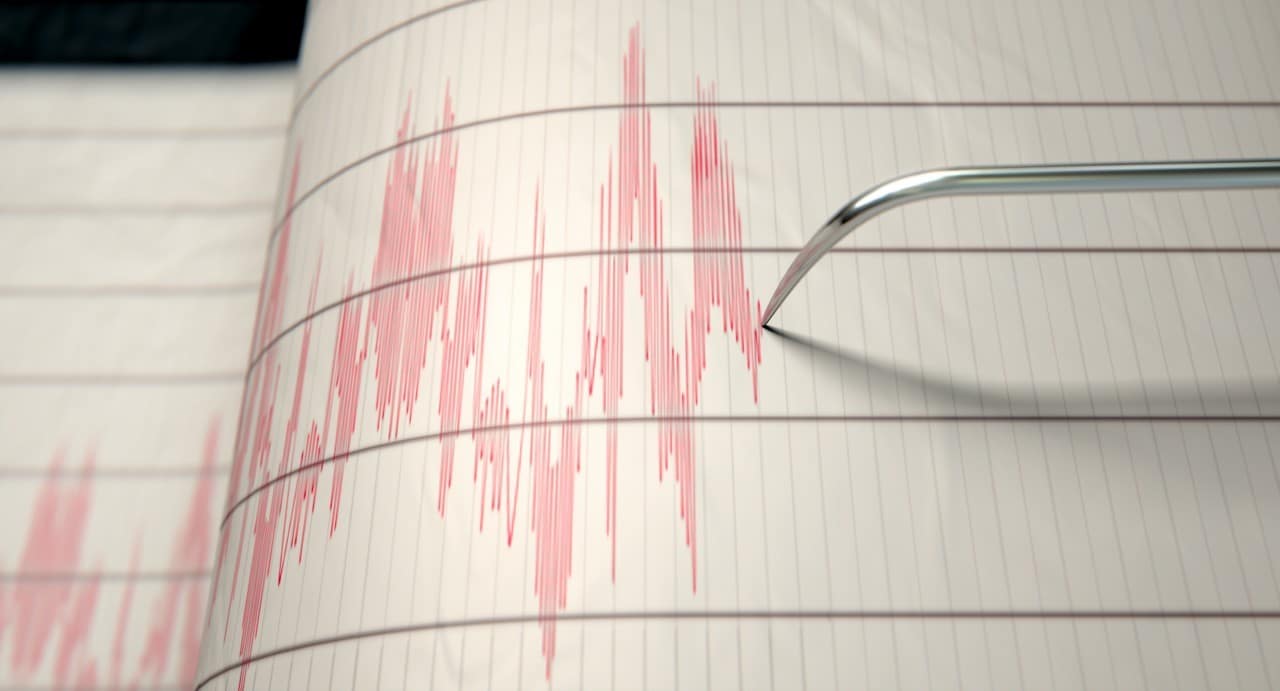
A magnitude 3.4 earthquake jolted the coastal region of Los Angeles County, California, on Tuesday afternoon, June 10, 2025, at approximately 12:15 p.m. Pacific Time. The epicenter was located about 8.9 miles west-southwest of Manhattan Beach and Hermosa Beach, at a depth of roughly 6.84 miles, according to the U.S. Geological Survey (USGS). No immediate reports of damage or injuries surfaced, though the quake was felt across nearby urban areas, including Santa Monica and Redondo Beach. The event underscores the ongoing need for preparedness in one of the world’s most earthquake-prone regions. Below, details of the incident, local reactions, and safety recommendations are explored.
The tremor, though minor, startled residents who reported shaking objects in homes and offices. California, positioned atop active fault lines like the San Andreas, experiences thousands of earthquakes yearly, most of which are low-intensity. This event, experts say, serves as a reminder of the importance of proactive safety measures.
- Exact location: Epicenter 8.9 miles from Manhattan Beach, with effects felt in nearby cities.
- Timing: 12:15 p.m. Pacific Time, during a routine day in the region.
- Magnitude and depth: 3.4 on the Richter scale, at 6.84 miles below the surface.
- Initial impact: No reported damage or injuries, per local authorities.
The frequency of quakes in coastal Los Angeles keeps residents vigilant, particularly in densely populated urban zones.
Details of the seismic event
Classified as minor by the USGS, the magnitude 3.4 quake was notable due to its proximity to residential areas. Its epicenter, situated in the Pacific Ocean near the coast, allowed seismic waves to reach cities like Manhattan Beach, Hermosa Beach, and Torrance. The 6.84-mile depth is considered moderate, helping to disperse the tremor’s energy before it hit the surface.
Residents described a “quick jolt” followed by mild vibrations. Social media posts mentioned trembling shelves and rattling windows, but no serious incidents. The USGS noted that quakes of this magnitude rarely cause damage, especially in modern buildings designed to withstand seismic activity. Still, the coastal location and high population density heightened attention to the event.
History of quakes in the region
California ranks as the second most seismically active state in the U.S., trailing only Alaska. USGS data indicate the state records around 10,000 earthquakes annually, though most are below magnitude 2.0 and go unnoticed. About 500 reach magnitude 3.0 or higher, with 15 to 20 hitting 4.0 or above each year.
In Los Angeles, minor tremors are frequent due to secondary fault lines like the Newport-Inglewood fault, which runs through the coastal area. In 2024, the city saw 15 seismic sequences with at least one quake of magnitude 4.0 or higher, the highest in 65 years. Recent events, such as the magnitude 4.7 quake in Malibu in September 2024 and the magnitude 5.2 quake in Julian in April 2025, highlight the region’s consistent seismic activity.
Community response
The June 10 quake prompted swift action from emergency services, though no major response was needed. The Los Angeles Fire Department reported conducting routine inspections near the epicenter, finding no damage to infrastructure or emergency calls. In Manhattan Beach, local police noted residential alarms triggered by the shaking, but no further issues.
- Resident accounts: Reports of a “brief shake” in homes and workplaces.
- Official response: Preventive inspections by firefighters and police.
- Community behavior: Social media buzz about recurring quakes.
- Psychological effect: Residents expressed relief but voiced concerns about larger quakes.
Real-time seismic alert apps, like MyShake, played a key role in calming the public by providing seconds of warning before the shaking began. Such tools have become vital in California’s earthquake preparedness efforts.
Recommended safety measures
California enforces strict guidelines for earthquake safety, widely promoted by the state’s Department of Public Health (CDPH). Key actions are designed to minimize risks during a quake.
The “Drop, Cover, Hold On” protocol is a cornerstone of safety:
- Drop: Get on your hands and knees to avoid falling.
- Cover: Protect your head and neck, taking shelter under sturdy furniture or near an interior wall.
- Hold On: Stay in place until the shaking stops, moving with your shelter if it shifts.
Experts also advise preparing emergency kits with water, non-perishable food, flashlights, and medical supplies, particularly in urban hubs like Los Angeles, where infrastructure could be strained in larger events.
Urban preparedness efforts
Los Angeles has prioritized seismic resilience, including retrofitting vulnerable buildings. Since the 1994 Northridge earthquake (magnitude 6.7), the city has enforced stricter building codes. Structures with “soft-story” designs—often apartments with weak ground floors due to parking spaces—have undergone reinforcement in cities like Los Angeles, Santa Monica, and Pasadena.
However, gaps remain. A November 2024 Los Angeles Times report noted that southeast county areas near the June 10 epicenter lack comprehensive retrofitting plans for older buildings. This vulnerability raises concerns about readiness for stronger quakes.
Seismic frequency and early warnings
California’s ShakeAlert system, which detects initial seismic waves and sends alerts to phones and public systems, proved effective during the June 10 event. Many residents received notifications seconds before feeling the tremor, allowing time for protective actions.
The uptick in noticeable quakes in 2024 and 2025 has sparked scientific discussion. While no evidence suggests these events signal a major quake, the activity underscores the need for constant monitoring. The San Andreas fault, though not directly tied to this event, remains a primary concern, with the potential for quakes up to magnitude 7.8.
3.4 earthquake hits warning area west of Los Angeles- WARNING: (Major earthquake is likely in NW Los Angeles during the next week) https://t.co/lcxePQH0Ed pic.twitter.com/BcgxgxCqTX
— EarthquakePrediction (@Quakeprediction) June 10, 2025
Notable facts about California quakes
California’s seismic history includes landmark events that have shaped its preparedness culture:
- San Francisco earthquake (1906): Magnitude 7.8, caused thousands of deaths and widespread destruction.
- Northridge earthquake (1994): Magnitude 6.7, led to 57 deaths and billions in damages.
- Annual frequency: Roughly 10,000 quakes, mostly imperceptible.
- Alert systems: Technologies like ShakeAlert save lives by providing early warnings.
These milestones highlight the need for ongoing vigilance and public education.
Ongoing monitoring and research
The USGS and the Southern California Earthquake Data Center (SCEDC) operate real-time monitoring networks to track seismic activity. Post-quake analysis of the June 10 event focused on whether it tied to known faults, like Newport-Inglewood, or lesser-mapped structures.
The quake’s offshore location and moderate depth suggest it occurred in a transitional zone between coastal and oceanic faults. Further studies will assess the likelihood of aftershocks, though secondary tremors are uncommon for quakes of this magnitude.
Community resilience
Los Angeles residents’ calm response reflects their familiarity with quakes. Schools, businesses, and homes regularly conduct evacuation drills and safety training. In Manhattan Beach, local schools reviewed emergency protocols post-quake, ensuring readiness for future events.
A culture of preparedness, combined with advanced alert systems and robust building codes, has minimized the impact of minor quakes. Still, officials stress the importance of maintaining updated emergency supplies and family plans.





