PSG, Real Madrid, and City: Who’s leading the race for the 2025 Super Club World Cup?

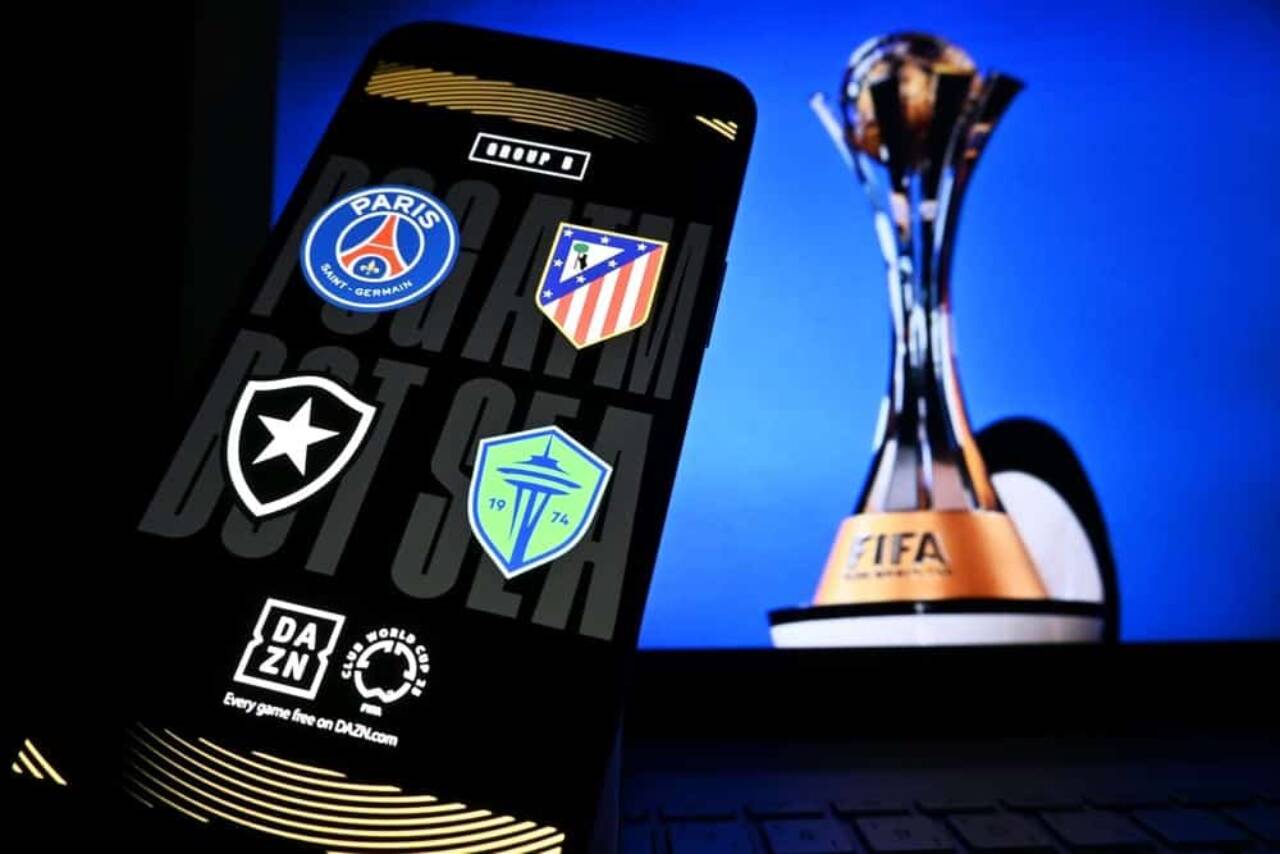
The Super Club World Cup, Fifa’s revamped tournament, kicks off on June 15, 2025, in the United States, featuring 32 teams vying for the ultimate club football crown. Powerhouses like Paris Saint-Germain (PSG), Real Madrid, and Manchester City emerge as top contenders, yet face unique challenges in this historic event. Hosted in iconic venues like MetLife Stadium and the Rose Bowl, the competition runs until July 13, redefining the traditional Club World Cup. Brazilian clubs, including Flamengo, Fluminense, Palmeiras, and Botafogo, are also in the mix, but Europe’s giants dominate the spotlight. The month-long tournament tests squads, strategies, and adaptability in a packed schedule, offering a chance to cement legacies or spark surprises.
PSG, Real Madrid, and Manchester City’s favoritism stems from their star-studded rosters, massive investments, and strong 2024/25 campaigns. However, the U.S. setting introduces variables like long travel, unfamiliar pitches, and a novel format that could level the playing field. Below, we explore how these titans are gearing up.
The French side, fresh off a Champions League final, leans on a revamped squad, while Real Madrid, with 15 European titles, banks on its pedigree and young stars. Manchester City, the 2023 Club World Cup champion, aims to repeat its triumph. All face tough groups and motivated rivals, making the path to the trophy treacherous.
PSG’s revamped firepower
Paris Saint-Germain heads to the Super Club World Cup with a new identity. After slashing its wage bill by 25%, from 300 million to 220 million euros, and parting ways with stars like Lionel Messi and Neymar, PSG has rebuilt around youth and strategy. Under Luis Enrique, the club signed Khvicha Kvaratskhelia for 70 million euros to replace Kylian Mbappé, who departed. In Group B, PSG faces Botafogo, Atlético de Madrid, and Seattle Sounders, testing its fast-transition style, suited to American pitches.
Their Champions League run, reaching the final against Inter Milan, boosted confidence. Despite the loss, PSG’s defense held firm, and attackers like Ousmane Dembélé and Désiré Doué shone. Fans hope the U.S. stage will deliver the club’s first world title, a goal since Qatar’s 2011 takeover.
- PSG’s key strengths:
- Young, versatile squad with an average age of 24.
- Experience in global tournaments, with two Champions League finals.
- State-of-the-art training center in Poissy.
- Quick, dynamic playstyle tailored for U.S. conditions.
The challenge lies in sustaining intensity over a month-long tournament with grueling matches and tight recovery windows. Cross-country travel between cities like Los Angeles and Seattle adds another hurdle.
Real Madrid’s timeless dominance
Real Madrid, the most decorated club in Europe, enters with unmatched pedigree. Boasting 15 Champions League titles, the Spanish giants remain formidable in 2024/25 despite losing Toni Kroos. Led by Carlo Ancelotti, stars like Vinícius Jr., Jude Bellingham, and new signing Kylian Mbappé form a lethal attack, backed by a robust defense with Éder Militão and David Alaba.
In Group A, they face Al-Hilal, Salzburg, and Wydad Casablanca. While the group seems manageable, Real views the tournament as a chance to expand its global brand, especially in the U.S. market. Pre-season friendlies against American teams helped acclimate the squad to local conditions.
Real’s strength lies in thriving under pressure. Vinícius Jr. excels in knockout games, and Bellingham anchors the midfield. Fans expect a repeat of their 2014, 2016, 2017, and 2018 Club World Cup triumphs.
1⃣ day to go… 🧤#FIFACWC pic.twitter.com/OfTEoOyWj7
— FIFA Club World Cup (@FIFACWC) June 13, 2025
Manchester City’s quest for two
Manchester City, under Pep Guardiola, is a force to be reckoned with. The 2023 Club World Cup winners seek a second title to solidify their global dominance. With Erling Haaland, Kevin De Bruyne, and Phil Foden, City leads the Premier League and reached the Champions League semifinals in 2024/25. In Group C, they face River Plate, Urawa Reds, and Monterrey, demanding focus.
City embraces the new format, seeing it as a chance to add silverware. The club set up a base in Atlanta to streamline travel. Haaland, with 25 goals in 20 games, is the focal point, but Guardiola’s cohesive system makes City formidable.
- City’s advantages:
- Polished tactics with high pressing and possession.
- Guardiola’s expertise in international tournaments.
- Deep squad with quality in every position.
- Pre-tournament U.S. friendlies for adaptation.
Maintaining intensity against gritty South American sides and managing a long tournament are their main tests.
New format, new challenges
The Super Club World Cup introduces a 32-team format, with eight groups of four, where the top two advance to knockouts. Unlike the old single-week Mundial, this month-long event demands endurance. Running from June 15 to July 13, it strains players ahead of the 2025/26 season.
Fifa selected 12 U.S. stadiums, including Hard Rock Stadium in Miami and Lincoln Financial Field in Philadelphia. Top-notch facilities are a plus, but cross-country travel, like Seattle to Orlando, could hamper recovery. The tight calendar, post-domestic leagues and pre-World Cup qualifiers, adds pressure.
Brazilian clubs in the fray
While PSG, Real, and City lead the odds, Brazilian sides Flamengo, Fluminense, Palmeiras, and Botafogo aim to upset. Flamengo, in Group D, takes on Chelsea, a title contender. Fluminense, facing Borussia Dortmund, relies on Fernando Diniz’s experience. Palmeiras and Botafogo, with bolstered squads, dream big.
Flamengo boasts Gerson and Pedro, while Botafogo added Arthur Cabral and Joaquín Correa. These clubs hope to emulate Corinthians’ 2012 win over Chelsea. Brazilian fans expect South American flair to shine in the U.S.
Logistics and prep work
Preparation goes beyond tactics. PSG hired recovery specialists to combat jet lag and climate shifts. Real Madrid set up a Los Angeles hub, while City chose Atlanta. These bases aim to cut travel fatigue in a vast country.
Fifa assures stadiums are ready, with pitches suited for European-style play. Yet, humidity in cities like Miami and Orlando could drain players. Clubs also face sky-high fan expectations in a globally televised event.
Fan excitement builds
The tournament is stirring buzz in the U.S., where soccer’s popularity is soaring. Stars like Vinícius Jr., Haaland, and Dembélé draw new fans, while Latino communities rally for River Plate and Flamengo. Fifa expects 50,000 spectators per game on average.
Tickets, priced from 50 to 500 dollars, are selling fast, with hospitality packages sold out in some venues. Broadcasts in 20 languages underscore Fifa’s aim to make this the biggest club event ever.
Financial stakes
The Super Club World Cup is a financial juggernaut. Fifa projects 2.5 billion euros in revenue, with the winner potentially earning 100 million euros. For PSG, which spent 4.8 billion euros since 2011 without a world title, it’s a chance to validate investments. Real Madrid and City see it as a branding opportunity.
Brazilian clubs, with tighter budgets, also gain. Flamengo could earn 20 million euros just for participating, doubling with a win. U.S. exposure attracts investors, especially for Botafogo, owned by an American fund.