
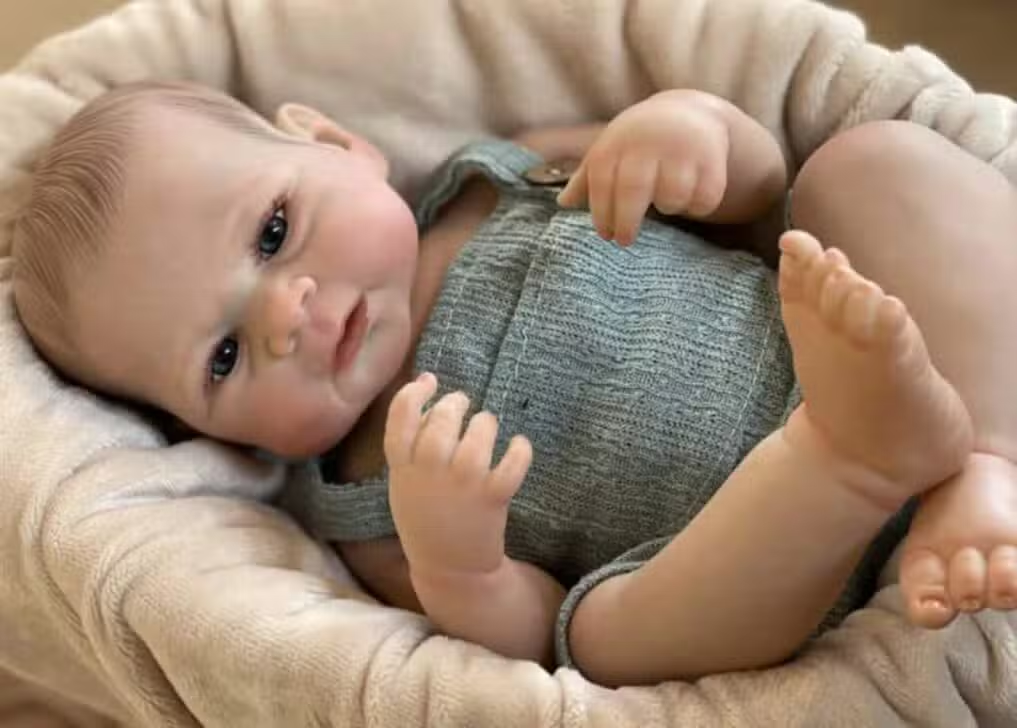
The passion for reborn babies has transformed the collectibles market, drawing thousands of enthusiasts who invest in hyper-realistic dolls. These meticulously crafted pieces, designed to mimic newborns, have gained traction in fairs, social media, and specialty stores, fueling a sector that blends art and emotion. In 2025, the reborn market is expanding, with prices ranging from $160 to $1,200, depending on realism, materials, and customization. Local artists, known as reborneiros, dedicate weeks to each doll, while collectors assemble complete layettes, including clothing and strollers. This practice, requiring financial planning, reflects a quest for emotional connection and exclusivity.
The fascination with these dolls transcends a mere hobby. Many individuals, referred to as “reborn mothers,” find in the dolls a way to experience caregiving akin to that of a real baby. Online communities and in-person events bolster the market, also supporting small entrepreneurs.
- Key attractions: Stunning realism, customization, and emotional bonding.
- Associated costs: Dolls, accessories, and layettes can cost thousands.
- Market growth: Fairs and online sales amplify demand.
This fusion of artistry and devotion has attracted both seasoned collectors and newcomers, establishing reborn babies as a cultural phenomenon.
Realism drives pricing
The cost of a reborn baby is closely tied to its level of detail. More affordable dolls, made with standard vinyl and simple finishes, start at $160. Premium models, featuring textured skin, adjusted weight, and hand-rooted hair, can exceed $1,000. Renowned artists, who spend weeks on each piece, charge higher prices for their exclusivity.
Manual painting is one of the most time-intensive processes. Layers of special paint create veins, skin tones, and subtle imperfections, replicating a newborn’s appearance. Imported glass eyes and individually applied eyelashes further increase costs but are vital for the realism that captivates collectors.
The market has become more professionalized. Small studios in cities like São Paulo and Belo Horizonte are gaining prominence, producing dolls that rival international creations. The demand for unique pieces encourages artists to innovate, crafting dolls with specific features, such as custom facial expressions.
High-quality materials
Material selection is critical to a reborn baby’s quality. Vinyl, the primary component, ranges from standard to premium types that mimic the softness of human skin. Cheaper dolls use rigid vinyl, while high-end models employ flexible, durable materials, enhancing realism.
- Premium vinyl: Soft texture, similar to a baby’s skin.
- Special painting: Layers of paint create veins and natural tones.
- Hand-rooted hair: Mohair or human hair, applied manually.
- Glass eyes: Imported, ensuring lifelike expressions.
Hair rooted strand by strand, often using mohair, requires hours of labor, impacting the price. Alternatives like wigs are more affordable but less sought after by collectors prioritizing authenticity. Durability also hinges on materials: well-crafted dolls can last decades with proper care.

Artistry behind the dolls
Reborneiros are the heart of the reborn baby market. These artists, often self-taught, transform ordinary dolls into unique pieces using painting, sculpting, and sewing techniques. The process can take two to six weeks, depending on complexity. Dolls by well-known artists, with established portfolios, can cost $800 or more.
Exclusivity is a key draw. Some dolls are produced in limited editions, with only 10 or 20 units available. Others are custom-made, allowing clients to select details like skin tone, weight, or features resembling a family member. This level of personalization attracts collectors willing to invest in one-of-a-kind pieces.
Accessories enhance the experience
Accessories are integral to the reborn baby experience. Custom clothing, crafted by specialized seamstresses, ranges from $10 to $40 per piece. Magnetic pacifiers, which attach to the doll’s mouth, cost between $6 and $16. Miniature strollers, another popular item, start at $60.
Many reborn mothers create full layettes, including diapers, blankets, and maternity bags. Ready-made kits, sold in specialty stores, range from $40 to $300, depending on the number of items. These accessories heighten realism and foster an emotional connection with the doll.
The accessory market is also expanding. Small entrepreneurs, often reborn mothers themselves, produce custom items like exclusive onesies or embroidered booties. Platforms like Mercado Livre and Instagram make these products widely accessible, broadening options for collectors.
Lifelike layettes
Assembling a layette for a reborn baby mirrors the preparations for a real pregnancy. Adapted cribs, car seats, and wardrobes filled with clothing are common among reborn mothers. Prices vary: a simple crib costs around $30, while decorated models reach $160.
Specialty stores offer complete packages, including everything from diapers to decorative bottles. Small businesses, often run by women, dominate this niche, creating items like embroidered blankets or themed clothing sets. Personalized layettes, with names or unique designs, are a sought-after feature.
Community strengthens the market
The popularity of reborn babies is driven by online communities and in-person events. Facebook groups and Instagram profiles unite thousands of members who share photos, tips, and artist recommendations. Fairs in cities like Rio de Janeiro and Curitiba draw hundreds of attendees, featuring doll displays, accessories, and workshops.
At these fairs, beginners learn techniques like painting and hair rooting, while collectors discover exclusive pieces. The events also foster a sense of community among reborn mothers, reinforcing their connection. Online visibility, through YouTube videos and TikTok posts, attracts new enthusiasts, particularly younger audiences.
Customization for collectors
The ability to customize a reborn baby is a major market draw. Clients can order dolls with adjusted weight, specific features, or even simulated breathing systems, costing up to $1,200. These rare features are highly prized by experienced collectors.
- Adjusted weight: Fillings mimic a real baby’s weight.
- Unique features: Based on photos or client preferences.
- Advanced systems: Heartbeat sounds or simulated breathing.
Custom accessories, like name-engraved bracelets or tailored clothing, are also popular. Personalization makes each doll unique, enhancing its emotional and financial value.
Fairs as showcases
Reborn baby fairs are pivotal market events. Held in major cities, they offer dolls ranging from $120 to $1,000, depending on the artist. Accessory stalls, with clothing and strollers, attract collectors seeking novelties.
Workshops and lectures teach crafting techniques, encouraging new reborneiros. Direct interaction with artists allows clients to order custom dolls or acquire exclusive pieces. These events also generate media attention, drawing in new followers.
Doll maintenance
Keeping a reborn baby in good condition requires care. The delicate paint can fade with sun exposure. Vinyl must be cleaned with damp cloths and neutral products to avoid damage. Clothing and accessories, like pacifiers and diapers, also need regular upkeep.
- Vinyl cleaning: Use gentle products to preserve texture.
- Paint protection: Avoid direct sunlight.
- Storage: Keep in dry, protected spaces.
These maintenance routines extend the doll’s lifespan, often turning it into a collectible. Many mothers note that caregiving tasks deepen their emotional attachment.
Small businesses thrive
The reborn baby market boosts small entrepreneurs. Seamstresses, accessory makers, and novice reborneiros find opportunities at fairs and online platforms. Specialty e-commerce stores offer everything from crafting kits to full layettes, catering to diverse budgets.
Sales of materials, like vinyl and paints, have surged. Online courses teaching reborn techniques draw new artists, increasing doll supply. Competition fosters innovation, with new products like magnetic pacifiers and stylized strollers launched regularly.