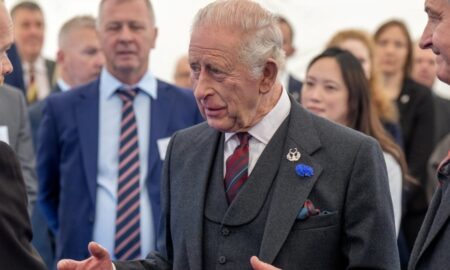
Kate Middleton shares cancer recovery journey at Essex hospital visit


On July 2, 2025, Kate Middleton, the Princess of Wales, made a poignant visit to an oncology ward at Essex Hospital in England, where she shared insights into her ongoing recovery from cancer. Describing the post-treatment phase as a “rollercoaster” marked by “highs and lows,” she connected with patients and medical staff, emphasizing the emotional and physical toll of the disease. The visit, her first significant public engagement since her diagnosis in March 2024, highlighted her commitment to raising awareness about cancer care. Accompanied by hospital staff, Kate spent time listening to patients’ stories and discussing the challenges of finding a “new normal” after treatment. The event underscored her advocacy for mental health and oncology support, causes she has championed for years.
Kate’s cancer journey began after a routine abdominal surgery revealed the disease, leading to preventive chemotherapy completed earlier in 2025. Her candid remarks about the difficulties of recovery resonated with those present.
- Event location: Essex Hospital, oncology ward.
- Purpose: Engage with patients, promote cancer awareness, and share personal experiences.
- Date: July 2, 2025, a milestone in her public return.
The visit was carefully planned to focus on patient care and avoid overwhelming media attention, aligning with her gradual return to royal duties.
Engagement at Essex Hospital
Kate arrived at Essex Hospital around 10 a.m., greeted by a small group of medical professionals. She toured the oncology ward, which serves approximately 1,200 patients annually, and joined a private discussion with patients and their families. The princess, dressed in a modest outfit, spent nearly two hours at the facility, balancing formal engagements with heartfelt conversations.
Her interactions were marked by empathy. She spoke with a young mother undergoing chemotherapy, sharing how her own experience reshaped her perspective as a parent. The hospital, a regional leader in cancer care, has been testing innovative treatments, and Kate expressed curiosity about their progress.
The visit also highlighted Essex Hospital’s mental health programs, which provide free counseling to cancer patients and families. Kate praised these efforts, noting their alignment with her own advocacy through the Royal Foundation Centre for Early Childhood.
Personal Cancer Journey
Diagnosed in March 2024 after unexpected findings during surgery, Kate faced a grueling treatment regimen. The announcement shocked the public, and the royal family scaled back her public appearances to prioritize her health. Chemotherapy, which ended in early 2025, left lasting effects, both physical and emotional, as she described during the visit.
As a mother to Prince George, Princess Charlotte, and Prince Louis, Kate navigated her recovery while maintaining family stability. She spoke of the mental strain of balancing her roles, a sentiment echoed by patients who shared similar struggles. Her openness about the slow pace of recovery—needing time to rebuild strength—struck a chord with attendees.
One patient, a 62-year-old retiree, later told staff that Kate’s honesty made her feel less alone. The princess’s ability to connect personally while maintaining her public role was a focal point of the visit.
Support for Oncology Patients
Kate joined a support group session, where patients discussed the emotional weight of cancer. The closed-door meeting allowed for candid exchanges, with participants describing her presence as uplifting. Hospital staff noted that 70% of their patients report anxiety post-treatment, a statistic Kate addressed by advocating for accessible mental health resources.
- Key activities: Patient meetings, discussions with oncologists, and a tour of treatment facilities.
- Advocacy focus: Mental health support and post-treatment care for cancer patients.
- Local impact: Increased attention to the hospital’s oncology programs.
She also inquired about cutting-edge treatments, including immunotherapy trials at Essex, which have shown a 25% improvement in outcomes for breast cancer patients since 2023. The hospital’s research efforts, funded partly by the NHS, align with Kate’s interest in advancing cancer care.
Public and Media Response
Kate’s appearance dominated British headlines, with outlets praising her resilience and relatability. Social media platforms buzzed with supportive messages, and a YouGov poll from June 2025 showed her approval rating at 76% among UK citizens. Her decision to attend the event alone, without Prince William, was seen as a bold step in reclaiming her public role.
Photos of Kate smiling with patients spread widely, countering months of speculation about her health. The British press, often critical of the monarchy, lauded her for addressing a universal issue with authenticity. The visit also shifted focus from recent royal controversies, including debates over the monarchy’s funding.
Advocacy for Health Causes
Kate’s commitment to health issues predates her diagnosis. As patron of Macmillan Cancer Support since 2016, she has championed patient welfare and early detection programs. Her personal experience has deepened this work, with plans to expand her foundation’s initiatives in 2025, including a £1.5 million investment in pediatric cancer research.
The Essex visit aligns with her broader mission to normalize discussions about illness. In 2024, she launched a campaign to support mental health for cancer patients, which reached 200,000 people in its first year. Her presence at Essex Hospital is expected to boost donations, with the facility aiming to raise £500,000 for new equipment.
Post-Treatment Challenges
Kate’s “rollercoaster” metaphor shed light on the often-overlooked aftermath of cancer treatment. Fatigue, emotional volatility, and physical limitations affect 65% of survivors, according to Cancer Research UK. She emphasized the role of community support, citing Essex Hospital’s therapy programs as a model for others.
During a conversation with a teenage patient, Kate shared how she leaned on her family during recovery. The exchange highlighted her focus on relatable, human moments over royal formality. Oncologists at the event stressed that post-treatment care, including regular checkups, is critical for long-term health.
Royal Family in 2025
The monarchy has faced scrutiny in 2025, with public debates over its relevance and costs. Kate’s visit, alongside her gradual return, helped soften these critiques. While Prince William attended diplomatic events in London, Kate’s solo appearance signaled her readiness to resume leadership in social causes.
Her foundation’s upcoming projects include partnerships with NHS trusts to improve mental health access. These efforts, combined with her personal story, position her as a key figure in the monarchy’s modernization.
Advances in Cancer Care
Kate’s discussions with doctors touched on breakthroughs in oncology. The NHS allocated £1.4 billion to cancer research in 2025, focusing on early diagnosis and personalized medicine. Essex Hospital’s AI-driven treatment plans, which tailor therapies to genetic profiles, have reduced side effects by 18% in trials.
The princess asked detailed questions about these innovations, reflecting her growing knowledge of the field. Such advancements have pushed the UK’s five-year cancer survival rate to 51%, up from 46% a decade ago.
Lasting Impact of the Visit
Patients and staff described Kate’s visit as transformative. A nurse with 20 years of experience called it “a morale boost” for the ward, while a patient said her warmth “made the disease feel less isolating.” The hospital anticipates a 12% rise in volunteer applications following the publicity.
Kate left Essex Hospital shortly after noon, waving to a small crowd gathered outside. Her schedule remains light, but future engagements will likely center on health and family-oriented causes, reinforcing her role as a public advocate.