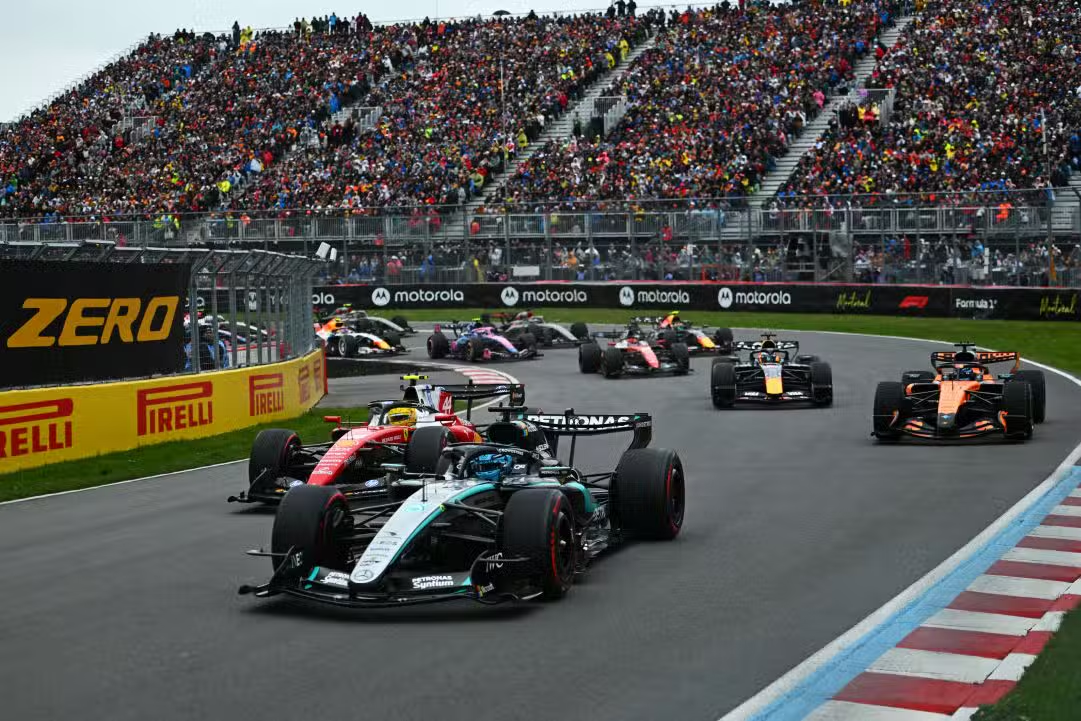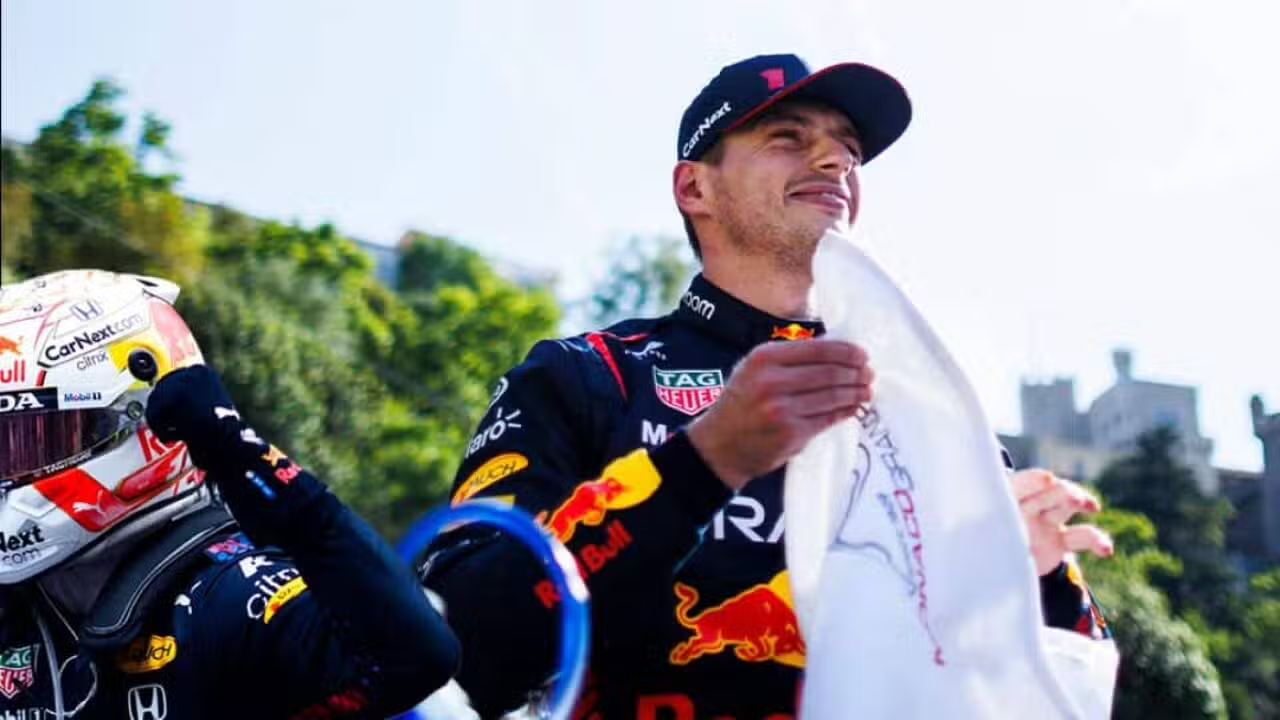
Ferrari conducted tests in Mugello on Thursday, July 17, 2025, to evaluate a new rear suspension for the Belgian Grand Prix, scheduled for July 25-27 in Spa-Francorchamps. The component, designed with the 2026 season in mind, when Formula 1 will adopt new car and engine regulations, was approved by the team. Monegasque driver Charles Leclerc downplayed speculation about specific adaptations for Lewis Hamilton, emphasizing that the main goal is to develop a competitive car for both drivers. The initiative reflects Ferrari’s strategy to prepare for future technical changes while improving the performance of the SF-25, which struggles against rivals like McLaren. The news highlights the balance between immediate innovations and long-term planning, with Leclerc confident in the team’s technological tools.
The 2025 Formula 1 season has posed challenges for Ferrari, particularly in Hamilton’s adaptation to the car. The seven-time champion, who joined the team in 2025, has expressed discomfort with the SF-25 and suggested focusing on 2026 projects. However, Leclerc assures that the team has the resources to meet both drivers’ preferences without compromising speed.
- Key points from the Mugello tests:
- Evaluation of the new rear suspension for the Belgian GP.
- Planning for the 2026 regulations.
- Approval of the new component by the technical team.
The work in Mugello is part of a broader strategy to keep Ferrari competitive amid significant technical changes in Formula 1.
Hands up if you’re ready to get back to racing 🙌 pic.twitter.com/0kzsqj7OP1
— Scuderia Ferrari HP (@ScuderiaFerrari) July 18, 2025
Mugello tests pave the way for 2026
The Mugello tests marked a significant step for Ferrari. The new rear suspension, designed to improve car stability, was successfully tested and will be used in the Belgian GP. Engineers also analyzed how the component could be adapted for the 2026 cars, which will feature revamped engines and designs. The Italian circuit, known for its demanding corners, was ideal for assessing the component’s performance under varied conditions.
Ferrari faces pressure to enhance the SF-25, which has struggled to match McLaren’s pace in 2025. Hamilton, accustomed to cars better suited to his driving style, has requested adjustments to ease his transition. However, the team opted for a balanced approach, seeking solutions that benefit both drivers. The Mugello test demonstrated a commitment to innovations that combine immediate performance with future readiness.
Leclerc’s confidence in technology
Charles Leclerc expressed confidence regarding discussions about adaptations for Hamilton. For the Monegasque, modern technology allows for personalized adjustments without compromising overall performance. He noted that, unlike decades ago when drivers were limited by car balance, current tools offer greater flexibility. This perspective reflects Ferrari’s trust in its engineers and advanced simulators to optimize performance.
Leclerc also stressed that the team’s focus is on speed. In interviews, he reiterated that both he and Hamilton share the same goal: a competitive car to vie for wins and titles. This pragmatic approach aims to avoid internal controversies and maintain team harmony.
Preparation for the Belgian GP
The Belgian Grand Prix, set for late July, will be a critical test for the new rear suspension. Spa-Francorchamps, with its fast corners and long straights, demands a well-balanced car. Ferrari expects the new component to improve traction and stability, areas where the SF-25 has faced challenges. The team also plans to gather data during the race to further refine the project for 2026.
Preparations for the race include adjustments to the car’s setup based on Mugello results. Ferrari’s engineers are working to ensure the changes perform effectively in real competition conditions. The expectation is that the new component will provide greater consistency, especially on technical circuits like Spa.
Formula 1 changes for 2026
The 2026 season will bring one of the most significant overhauls in recent Formula 1 history. New regulations will introduce lighter cars with simplified aerodynamics and more efficient hybrid engines. Teams are already investing in projects aligned with these rules, and Ferrari is no exception. The Mugello tests are an example of efforts to anticipate these changes, ensuring the team is ready to compete at a high level.
- Key changes expected for 2026:
- Lighter cars with optimized aerodynamics.
- Hybrid engines with a focus on sustainable fuels.
- New specifications for tires and suspension.
- Revised rules for safety cars and pit stops.
These changes require detailed planning, and Ferrari is using every opportunity to align its projects with future requirements.
Hamilton’s challenges at Ferrari
Lewis Hamilton, who debuted for Ferrari in 2025, still faces difficulties adapting to the SF-25. The car, designed with different concepts from those used by Mercedes, where Hamilton raced for over a decade, demands a distinct driving style. The Briton has requested adjustments to ease his transition, but the team maintains a balanced approach, avoiding prioritizing one driver over the other.
Despite the challenges, Hamilton remains optimistic. He has expressed confidence in Ferrari’s ability to evolve, particularly with the focus on 2026. His experience has been valuable in testing, providing insights into the car’s behavior under various conditions.
Ferrari in the 2025 season
The 2025 season has been challenging for Ferrari. The team, which hoped to contend for the title, has seen McLaren take the lead in several races. The SF-25, while competitive on some circuits, shows inconsistencies on high-speed tracks. The Mugello tests and the new suspension are attempts to address these shortcomings before the season ends.
Leclerc, who renewed his contract with Ferrari, remains a cornerstone of the project. His ability to extract the maximum from the car, even in adverse conditions, has been a key asset. Hamilton’s arrival has brought a new dynamic to the team, with both drivers collaborating to accelerate development.
Ferrari’s balance between drivers
Maintaining harmony between Leclerc and Hamilton is a priority for Ferrari. The Italian team has experience managing competitive driver pairings, and Leclerc’s statements reflect this mindset. He made it clear that car adaptations are not about favoritism but about finding a balance that maximizes overall performance.
Ferrari’s engineers use simulators and real-time data to tailor the car to each driver’s preferences. This technological approach allows Leclerc and Hamilton to configure the SF-25 according to their styles without compromising speed. The strategy aims to ensure Ferrari is ready to compete at a high level, regardless of who is driving.
Ferrari’s next steps
With the Belgian GP approaching, Ferrari is intensifying preparations. Beyond the new suspension, the team is reviewing other SF-25 components, such as aerodynamics and the energy recovery system. The goal is to improve performance on tracks requiring efficiency and speed, like Spa-Francorchamps.
The team also plans further tests before the season ends, focusing on collecting data for 2026. Ferrari recognizes that long-term success depends on careful planning, and current efforts reflect this commitment.
Ferrari in the global Formula 1 landscape
Formula 1 is in a transitional phase, with teams preparing for the 2026 changes while competing in the current season. Ferrari, one of the sport’s most storied teams, aims to reclaim its leadership position. The Mugello tests and Leclerc’s comments show a team focused on results, undeterred by external speculation.
The combination of advanced technology, talented drivers, and strategic planning positions Ferrari favorably. The 2025 season, though challenging, serves as a foundation for the future, with the team already eyeing the next regulatory cycle.