
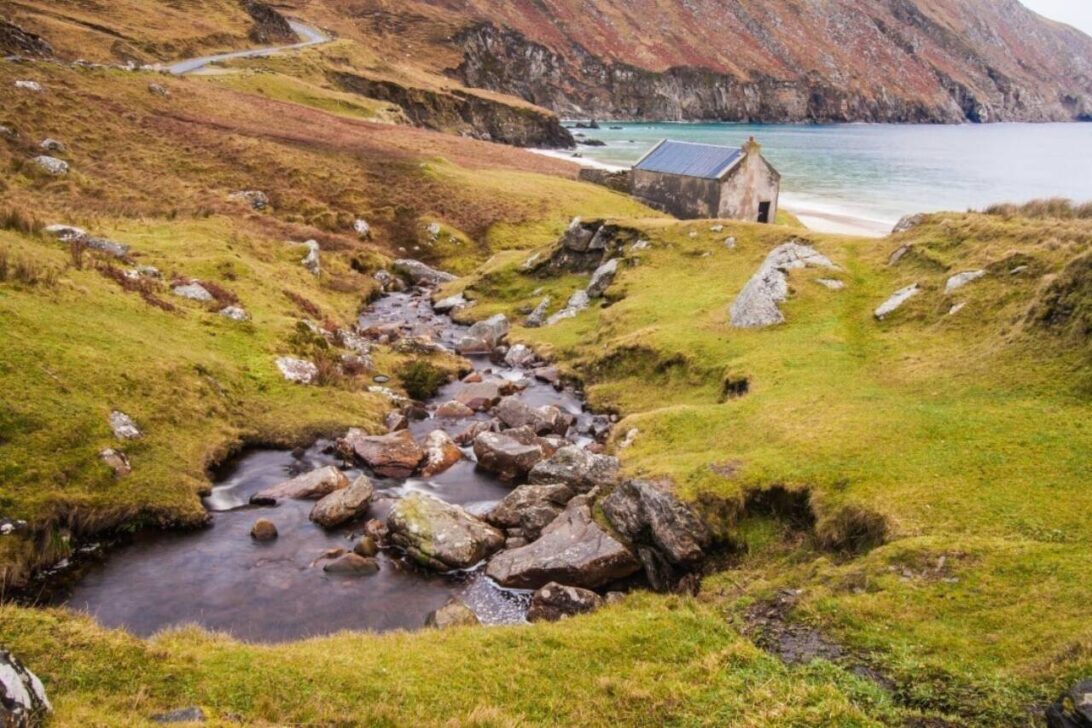
Ireland’s government is providing up to €84,000 (approximately $90,000) to individuals willing to relocate to one of 23 remote islands off the country’s west coast through the Our Living Islands program, renewed in June 2025. Launched in 2023, the initiative aims to reverse depopulation by encouraging the renovation of vacant homes and permanent residency. Applications, open to anyone with legal residency in Ireland, are submitted via the official government website. The program, set to run until 2033, has received 35 applications by March 2025, with 22 approved. Islands like Aran, Clare, and Inishbofin, known for their stunning landscapes, are included. The initiative seeks to revitalize local communities, boost economies, and preserve cultural heritage.
Applicants must refurbish properties built before 1993 and vacant for at least two years, with funds allocated solely for renovations. New residents are required to use the property as their primary home or rent it long-term for at least ten years.
The program appeals to investors, remote workers, and nature enthusiasts, though it demands careful planning due to renovation costs and island logistics. By March 2025, 22 families have begun relocating, signaling the program’s potential to transform these regions.
Program details and incentives
The Our Living Islands initiative targets depopulation on islands with a combined population of under 3,000. It focuses on islands like Aran, Clare, Dursey, Inishturk, and Inishbofin, which have seen declining populations for decades. Grants of up to €50,000 are offered for renovating vacant homes, with an additional €20,000 for derelict properties needing extensive work, totaling up to €84,000.
Funds are not paid directly but applied to approved renovation projects overseen by local authorities. The ten-year residency requirement ensures long-term commitment, preventing real estate speculation.
- Grant amounts: Up to €50,000 for vacant homes; €20,000 extra for derelict properties.
- Eligibility criteria: Properties built before 1993, vacant for two years.
- Commitment: Primary residence or long-term rental for at least ten years.
- Participating islands: Aran, Clare, Dursey, Inishturk, Inishbofin, Bere, and others.
Additional investments in infrastructure, such as high-speed internet, make the islands more appealing to remote workers.
Island profiles and attractions
The 23 islands, located off Ireland’s west coast, are renowned for their natural beauty and cultural heritage. The Aran Islands, for instance, preserve the Gaelic language and centuries-old traditions, drawing tourists and potential residents. Others, like Inishbofin and Bere, offer rugged landscapes and have served as filming locations for movies like The Banshees of Inisherin.
With a total population of 2,734 in 2016, these islands face significant depopulation. The program targets young families, professionals, and retirees seeking a peaceful lifestyle surrounded by nature.
- Aran Islands: Three islands (Inishmore, Inishmaan, Inisheer) with rocky landscapes and Gaelic culture.
- Clare Island: Sandy beaches and trails, home to just 160 residents.
- Inishbofin: Known for wildlife and secluded beaches, featured in films.
- Bere Island: Popular with cyclists and birdwatchers, with strong tourism appeal.
- Tory Island: The most remote, with 141 residents in 2023.
Ferry services provide regular access to the mainland, ensuring connectivity despite the islands’ isolation.

Application process and requirements
Anyone with legal residency in Ireland, including foreigners with appropriate visas, can apply. Candidates must purchase an eligible property and submit a renovation plan through the gov.ie website. Local authorities review applications to ensure compliance.
The program prohibits using properties for short-term rentals or vacation homes, prioritizing permanent residency. Selling the property within five years requires full repayment of the grant.
- Eligibility: Legal residency in Ireland, per immigration rules.
- Application: Submitted via gov.ie/vacant-property-refurbishment-grant.
- Renovation plan: Required for grant approval.
- Restrictions: No short-term rentals or vacation home usage allowed.
By March 2025, 35 applications were submitted, with 22 approved, reflecting a selective yet accessible process.
Infrastructure and lifestyle benefits
Beyond financial incentives, the program invests in island infrastructure to enhance livability. High-speed internet expansion supports remote work, while improvements in healthcare, education, and sustainable tourism bolster local economies.
The islands offer a serene lifestyle, ideal for those seeking an escape from urban life. Local festivals, traditional music, and crafts enrich the cultural experience for new residents.
- Internet access: Broadband expansion for remote work.
- Services: Investments in healthcare and education for residents.
- Sustainable tourism: Promotes eco-friendly activities to preserve nature.
- Cultural heritage: Gaelic festivals and traditions strengthen community bonds.
These enhancements make the islands viable for long-term living, balancing isolation with modern conveniences.
Success stories and unique facts
Since its launch, the program has inspired stories of transformation. Families restoring century-old homes on the Aran Islands report a deeper connection to nature and community. A notable case involves an American couple who relocated to Inishturk, renovating a derelict seaside cottage.
The islands’ unique features add to their allure. Clare Island, with just 160 residents, is a haven for adventure seekers. Skellig Michael, though not part of the program, is a UNESCO World Heritage Site, underscoring the region’s historical significance.
- Success story: American couple revitalized a home in Inishturk, joining the community.
- Gaelic culture: Aran Islands preserve ancient language and traditions.
- Film location: Inishbofin featured in The Banshees of Inisherin.
- Historical sites: Kildownet Castle and other landmarks attract visitors.
The Our Living Islands program not only repopulates these areas but also safeguards their cultural and natural legacy for future generations.