
US jobs report: 73,000 jobs added, prior months cut by 258,000

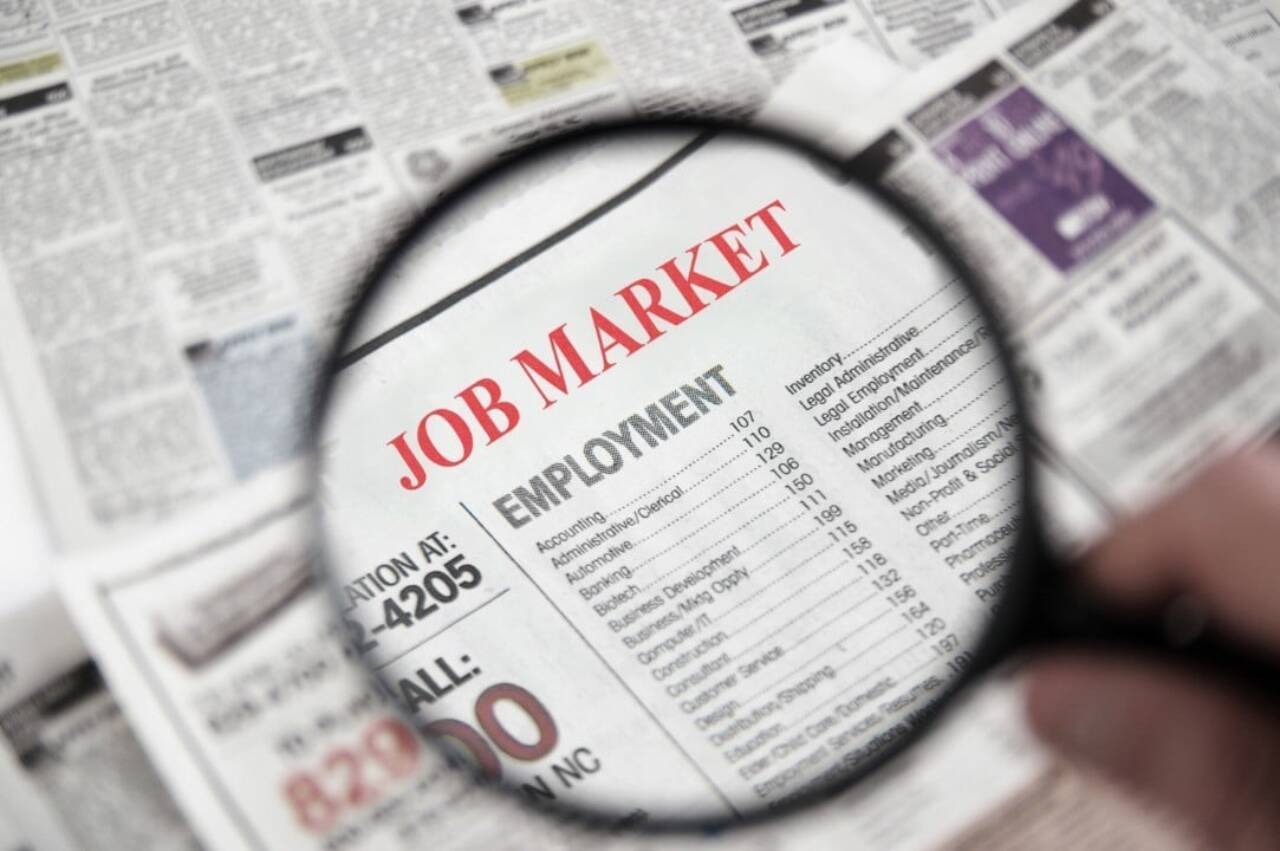
The US labor market weakened significantly in July 2025, with the Department of Labor reporting only 73,000 new jobs added, well below the expected 106,000, as outlined in the jobs report released on August 1. The unemployment rate rose to 4.2%, matching forecasts but signaling ongoing cooling in hiring. Revisions cut 258,000 jobs from May and June data, with June’s count dropping from 147,000 to 14,000 and May’s from 144,000 to 19,000. Healthcare drove gains with 55,000 jobs, while federal government employment fell by 12,000. The report heightened calls for a Federal Reserve rate cut in September, with President Donald Trump sharply criticizing Fed Chair Jerome Powell. Markets reacted with falling stock futures and Treasury yields, reflecting economic concerns.
The labor force participation rate dropped to 62.2%, the lowest since November 2022, and the broader unemployment measure hit 7.9%, raising red flags. Despite a 3% GDP growth in Q2, underlying demand weakness and trade uncertainties continue to challenge the economy.
- Job growth: 73,000 new jobs, missing the 106,000 forecast.
- Revisions: 258,000 jobs cut from May and June reports.
- Unemployment: Rate rises to 4.2%, broader measure at 7.9%.
Key findings from the July jobs report
The July jobs report underscored a struggling labor market, with job creation far below expectations. Healthcare led with 55,000 new jobs, reflecting sustained demand, while social assistance added 18,000. However, federal government jobs continued to decline, losing 12,000 in July, part of an 84,000 drop since January due to efficiency measures.
Significant revisions painted a bleaker picture. May’s job count fell from 144,000 to 19,000, and June’s from 147,000 to 14,000, a combined loss of 258,000 jobs. The household survey reported a 260,000 drop in the labor force, contributing to the unemployment rate increase. The broader unemployment measure, including discouraged workers, jumped to 7.9%, the highest since March 2025.
- Healthcare gains: 55,000 jobs added, leading all sectors.
- Government losses: 12,000 federal jobs cut in July.
- Revisions impact: 258,000 fewer jobs in May and June.
- Broader unemployment: Rises to 7.9%, signaling labor market strain.
Market and policy implications
The jobs report triggered immediate market reactions, with stock futures dropping significantly—Dow futures fell 450 points, S&P 500 futures 1.1%, and Nasdaq 100 futures 1.3%. Treasury yields also declined as investors anticipated a Federal Reserve rate cut, with the probability rising to 67% for September, up from 38% the previous day.
President Trump intensified pressure on the Federal Reserve, calling Chair Jerome Powell a “disaster” and demanding aggressive rate cuts. Trade uncertainties, particularly tariffs announced in April, have dampened hiring, especially in manufacturing, which lost 7,000 jobs. Economists warn that sustained weakness could further erode economic confidence.
- Market response: Stock futures and Treasury yields fall sharply.
- Rate cut odds: September cut probability rises to 67%.
- Trade impact: Tariffs contribute to manufacturing job losses.
- Political pressure: Trump pushes for immediate Fed action.
Sectoral performance and wage trends
Healthcare and social assistance remained resilient, accounting for most job gains, while other sectors struggled. Manufacturing shed 7,000 jobs, and professional services also saw declines, reflecting caution amid trade tensions. Federal government cuts, driven by the Department of Government Efficiency, continued to reduce public sector employment.
Wages provided a modest bright spot, with average hourly earnings rising 0.3% monthly and 3.9% annually, slightly above expectations. However, this growth does little to offset the broader slowdown, as hiring hesitancy grows in trade-sensitive industries.
- Resilient sectors: Healthcare and social assistance lead job growth.
- Wage growth: 0.3% monthly, 3.9% annually, above forecasts.
- Declining sectors: Manufacturing and government face job cuts.
- Trade concerns: Tariffs impact hiring in exposed industries.
Economic context and trade effects
The jobs report contrasts with Q2’s 3% GDP growth, driven largely by an import surge ahead of April tariffs. Underlying demand, including consumer spending, remains weak, signaling economic fragility. The labor force participation rate’s drop to 62.2% reflects growing discouragement among job seekers, particularly as long-term unemployment rises, with 1.647 million out of work for 27 weeks or more.
Trade policies, including Trump’s tariffs, have created uncertainty, with industries like manufacturing and wholesale trade losing jobs. The Federal Reserve’s decision to hold rates steady since December faces scrutiny, as economists argue that a rate cut could stimulate hiring but risks fueling inflation.
- GDP growth: 3% in Q2, but driven by temporary import surge.
- Labor force: Participation falls to 62.2%, lowest since 2022.
- Long-term unemployment: Rises to 1.647 million, up 190,000.
- Trade headwinds: Tariffs impact manufacturing and wholesale jobs.

Challenges for workers and businesses
Workers face a tighter job market, with fewer openings and increased competition. The drop in labor force participation and rise in the broader unemployment measure to 7.9% highlight growing challenges, particularly for Black workers, whose unemployment rate surged to 6.8%. Businesses, especially in manufacturing and retail, are scaling back hiring due to trade uncertainties and weaker demand.
The Department of Government Efficiency’s cuts have reduced federal jobs, with 84,000 lost since January, potentially straining public services. Healthcare remains a stable sector, attracting workers seeking job security amid broader economic challenges.
- Worker competition: Fewer jobs increase pressure on job seekers.
- Black unemployment: Surges to 6.8%, highest since January 2022.
- Government cuts: 84,000 federal jobs lost since January.
- Stable sectors: Healthcare offers opportunities amid slowdown.
Policy and economic outlook
The weak jobs report has shifted focus to the Federal Reserve’s September meeting, with growing calls for a rate cut to stimulate hiring. Fed Governor Michelle Bowman noted “increasing signs of fragility” in the labor market, suggesting that delaying cuts could worsen conditions. However, the Fed must balance these pressures against inflation risks, particularly from tariffs.
Businesses and workers are adapting to a challenging environment. Companies may prioritize efficiency, while workers may shift toward resilient sectors like healthcare. The labor market’s trajectory will depend on policy decisions and the resolution of trade tensions.
- Fed focus: September rate cut odds rise amid labor weakness.
- Economic fragility: Bowman highlights risks of delaying action.
- Worker adaptation: Shifts toward healthcare and social assistance.
- Trade uncertainty: Tariffs continue to shape hiring decisions.





