Farmer, 60, dies in coffee harvester accident on Alto Paranaíba rural property Por Luís Henrique Costa
6 min de leitura
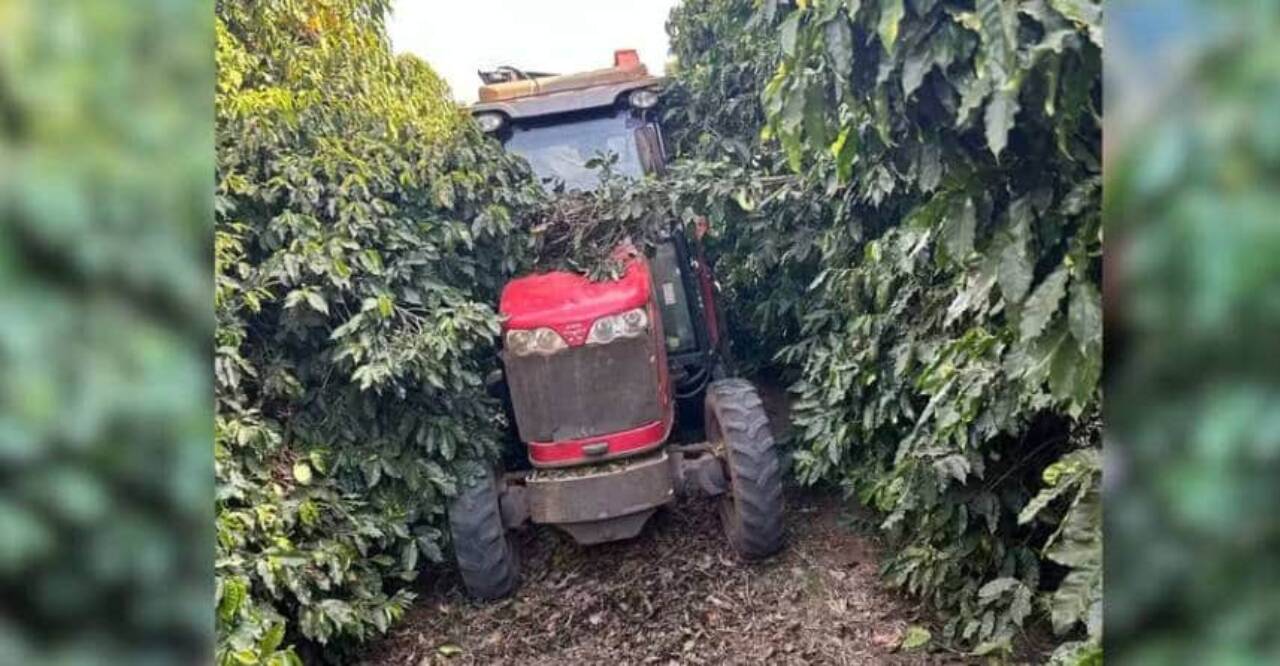 |
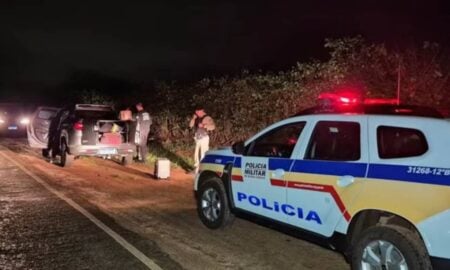
A tragic accident occurred on the afternoon of Saturday, August 2, 2025, at a coffee farm located between Santana de Patos and Guimarânia, in Alto Paranaíba, Minas Gerais, about 40 kilometers from Patos de Minas. A 60-year-old farmer, the property owner, lost his life after being pulled into a coffee harvester while attempting to unclog the machine. The incident, which took place near BR-365, prompted a response from the Fire Department and Samu from Patrocínio, who confirmed the death at the scene. The tragedy highlights the dangers of working with agricultural machinery and raises concerns about safety in rural areas. The Civil Police conducted a forensic investigation, and the body was handed over to a funeral home in Guimarânia after being extricated from the equipment.
The accident occurred around 3 p.m. when the farmer was operating the harvester on his property. According to reports, the machine likely experienced a clog, a common issue during coffee harvesting.
- Attempt to unclog: The farmer stepped off to fix the issue.
- Swift accident: He was pulled into the operating equipment, suffering fatal injuries.
- Immediate response: Firefighters and Samu were called but could not save him.
Accident details
The incident took place on a coffee farm along BR-365, a highway cutting through Alto Paranaíba, a region known for its robust coffee production. The farmer, whose identity has not been officially released, was experienced in handling agricultural machinery, making the tragedy even more striking. The harvester, vital for mechanized harvesting, is a powerful piece of equipment but requires strict safety measures. Initial suspicions from the Fire Department suggest the farmer attempted to clear the clog without fully shutting down the machine, leading to the accident.
The rescue operation was challenging. Two teams from the 12th Fire Department Battalion in Patos de Minas arrived and had to disable the harvester before starting to remove the body, which was trapped in the equipment. The operation required caution to preserve the scene for the Civil Police’s forensic analysis, which will investigate the exact causes.
The Samu doctor from Patrocínio, present at the scene, confirmed the death, and the body was released to a funeral home in Guimarânia. Despite the swift response from emergency teams, the severity of the accident made survival impossible.
Risks of agricultural machinery
Accidents involving agricultural machinery are not uncommon in Brazil, particularly in regions like Alto Paranaíba, where mechanization is widespread in coffee, corn, and other crop production. Harvesters, tractors, and similar equipment boost efficiency but pose significant risks when not handled safely.
- Lack of training: Inexperienced or untrained operators may overlook protocols.
- Poor maintenance: Faulty machines increase accident risks.
- Rushed work: Pressure for productivity can lead to carelessness.
- Protective equipment: Lack of proper PPE heightens injury severity.
Data from the Ministry of Labor and Employment show that between 2018 and 2023, over 1,200 fatal accidents in Brazil’s rural sector involved agricultural machinery. Most occurred during maintenance or operation, such as attempts to unclog equipment. In Alto Paranaíba, reliance on mechanization grows with the expansion of coffee farms, making accident prevention an urgent priority.
Community impact
The farmer’s death shook the rural communities of Santana de Patos and Guimarânia. The region, known for its family-owned farms and high-quality coffee production, often sees workers exposed to risks. The accident has reignited discussions about the need for stricter oversight and training programs for agricultural machinery operators.
Local producers mourned the loss, noting the farmer was a respected figure in the region. His farm, located in a strategic area near BR-365, is part of a coffee hub supplying national and international markets. The tragedy also raises concerns about the economic impact on the family and farm workers, who rely on continued production.
Farm safety measures
Safety in handling agricultural machinery is a critical issue. Experts recommend practices that could prevent tragedies like the one in Alto Paranaíba. Lack of strict protocols and productivity pressures often contribute to accidents.
- Shut down equipment: Machines must be fully powered off during maintenance.
- Ongoing training: Regular courses reinforce best practices.
- Routine inspections: Preventive checks can identify mechanical issues.
- PPE use: Protective gear reduces injury severity in accidents.
- Proper signage: Risk areas should be clearly marked.
Organizations like the National Rural Learning Service (Senar) offer free courses for rural workers, including modules on safe harvester operation. However, participation remains low in some areas, particularly among owners operating their own machines, as in this case.
History of regional accidents
Alto Paranaíba has seen other serious incidents involving agricultural machinery in recent years. In 2020, a 43-year-old operator died after being pulled into a corn harvester near Patos de Minas. In another case, in Abadia dos Dourados, a rural worker was killed when a tractor overturned on a slope. These incidents underscore the need for greater awareness of rural risks.
The Civil Police are now investigating whether mechanical or operational failures contributed to the August 2 accident. The forensic analysis will determine if the equipment was in proper condition or if there was negligence in its use. Meanwhile, the local community awaits answers and measures to prevent further tragedies.
Coffee’s importance in Alto Paranaíba
Alto Paranaíba is a key coffee-producing region in Minas Gerais, a state responsible for about 50% of Brazil’s coffee output. Farms like the one where the accident occurred are vital to the local economy, employing hundreds and generating millions in revenue annually. Mechanized harvesting, while efficient, requires safety investments to protect lives and ensure the sector’s sustainability.
Saturday’s tragedy not only claimed an experienced producer’s life but also serves as a wake-up call for modernizing safety practices in rural areas. Combining advanced technology with proper training can significantly reduce risks, preserving the region’s agricultural legacy.