Crime in Minas Gerais: Ex-boyfriend murders Brena, 29, with bricks for not getting back together Por Luís Henrique Costa
7 min de leitura
 |
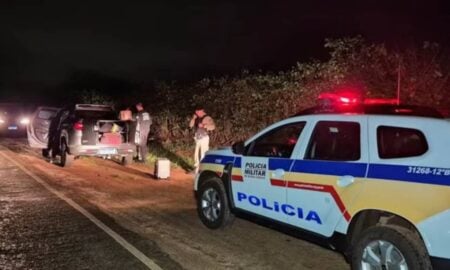
A 29-year-old woman, identified as Brena, was brutally murdered with stabs and bricks by her 24-year-old ex-boyfriend on the morning of Saturday, August 2, 2025, at José Pedro Morato Square in the São Pedro neighborhood of Abaeté, Central-West Minas Gerais. The crime, classified as feminicide, occurred after the victim refused to reconcile with the aggressor, identified as L.G.S. Local residents, alerted by Brena’s screams for help, called the Military Police, but she succumbed to her injuries and arrived lifeless at the city’s Emergency Care Unit (UPA). The suspect fled to a wooded area near the Abaeté Exhibition Park but was found and arrested hours later, confessing to the crime. The knife and brick used in the attack were seized, and the Civil Police are continuing the investigation.
The feminicide shocked the small town of Abaeté, known for its tranquility. The violence of the attack and its occurrence in a public space intensified the community’s distress. Below are details about the incident and the authorities’ actions.
- Crime location: José Pedro Morato Square, São Pedro neighborhood, Abaeté.
- Weapons used: Knife and brick, seized by the police.
- Immediate response: Residents called the Military Police after hearing screams.
- Outcome: Suspect arrested after searches in a wooded area.
Details of the crime in Abaeté
The crime occurred around 8 a.m., in broad daylight, in a square frequented by families and residents of the São Pedro neighborhood. According to witnesses, Brena was at the square when she was approached by L.G.S., who insisted on reconciling. Her refusal triggered the aggressor’s rage, leading him to attack her with a knife and then use a brick to deliver blows. The extreme violence left visible marks at the scene, with bloodstains shocking onlookers. The Military Police were called immediately, but the severity of the injuries prevented Brena’s survival, and she passed away before receiving adequate medical care.
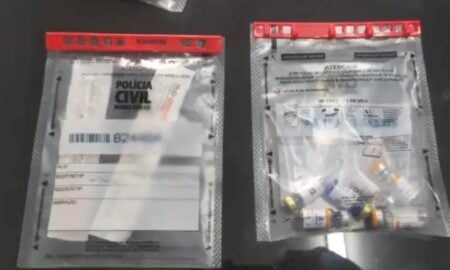
The Civil Police’s technical team was called to the scene to collect evidence. In addition to the knife, the brick with bloodstains was crucial for the initial investigation. The case’s lead investigator stated that the inquiry is ongoing to clarify details, such as any history of prior violence between the couple. The suspect’s arrest followed a thorough search in a wooded area near the Exhibition Park, where he attempted to hide.
Community reaction
The news of the feminicide sparked outrage and grief in Abaeté. Residents of the São Pedro neighborhood, where the crime occurred, reported feelings of insecurity following the incident. The square, previously seen as a community gathering spot, became associated with tragedy. Neighbors who witnessed the scene described the desperation of hearing Brena’s screams and attempting to help her.
- “It was horrific, I’ve never seen anything like this here,” said a resident who preferred anonymity.
- “The square is a place for families, now it’s scary to pass by,” another local stated.
- “She didn’t deserve this, she was a beloved person,” added a close neighbor.
The outcry also spread to social media, where friends and family paid tribute to the victim. Posts mourned Brena’s loss, described as a cheerful and hardworking woman, and demanded justice. The case reignited debates about violence against women in the region, with calls for more effective prevention measures.
Context of gender-based violence
The feminicide in Abaeté is not an isolated case. Data from the Minas Gerais Public Security Institute indicate that, between January and July 2025, the state recorded a 12% increase in cases of violence against women compared to the same period in 2024. Refusal to reconcile is one of the main triggers for feminicides, according to experts. In many cases, like Brena’s, violence is preceded by threats or abusive behaviors that are not always reported.
Protective measures, such as the Maria da Penha Law, are essential tools but face challenges in implementation. In Abaeté, the Women’s Defense Police Station has intensified awareness campaigns, but the lack of formal complaints often hinders preventive actions. Brena’s case underscores the need for greater support for victims of domestic violence, including access to psychological and legal services.
- Reporting channels: 180 (Women’s Assistance Hotline) and 190 (Military Police).
- Protective measures: Can be requested at specialized police stations.
- Psychological support: Available at health units and local NGOs.
Authorities’ actions
The Military Police acted swiftly after the residents’ call. The search for the suspect involved specialized teams, who located him in less than three hours. During the initial interrogation, L.G.S. confessed to the crime but provided no details beyond Brena’s refusal to reconcile. The Civil Police are now investigating whether the aggressor had a history of violence or prior complaints, which could worsen his legal situation.
The Minas Gerais Public Prosecutor’s Office is monitoring the case, and the suspect is expected to face charges for feminicide, a heinous crime carrying a penalty of up to 30 years in prison. The technical team continues to analyze the collected evidence, including the knife and brick, to confirm the crime’s dynamics. The investigation is expected to be completed in the coming weeks, with the suspect’s formal indictment.
Prevention and awareness
The tragedy in Abaeté reignites discussions about the importance of preventive measures against gender-based violence. Experts emphasize that education on healthy relationships and strengthening support networks are crucial to preventing further cases. In Minas Gerais, programs like the “Domestic Violence Prevention Patrol” aim to identify at-risk situations before they escalate into tragedies.
- Report: Any sign of threat or violence should be reported.
- Support network: Family and friends can help identify abusive behaviors.
- Education: Campaigns in schools and communities promote respect and equality.
- Access to justice: Specialized police stations offer support to victims.
Non-governmental organizations also play a vital role. In Abaeté, local groups are planning awareness initiatives, such as lectures and community events, to address the issue. Civil society mobilization is seen as essential to changing the culture that normalizes violence against women.
Impact on the city of Abaeté
The crime disrupted the routine of the town, which has about 23,000 inhabitants. José Pedro Morato Square, the crime scene, is a central point in the São Pedro neighborhood, frequented by children and the elderly. The violence of the attack, in a public space during a busy time, raised questions about local safety. The Abaeté city hall announced plans to enhance lighting and surveillance in the area, but residents are demanding broader actions.
Brena’s death also brought to light stories of other women in the city who have faced violence. Social media posts indicate that many victims hesitate to report due to fear of retaliation or lack of trust in authorities. The case may drive changes in how the city addresses gender-based violence.
Next steps in the investigation
The Civil Police are awaiting forensic results to detail the crime’s dynamics. Witnesses are being interviewed, and the suspect’s phone was seized for analysis of messages and calls that may indicate premeditation. Brena’s family will also be heard to clarify the relationship’s history. The lead investigator stated that the inquiry will be conducted rigorously, considering the case’s impact on the community.
Meanwhile, the suspect remains in custody, and his defense has not yet made a public statement. The custody hearing, held on Sunday, converted the arrest into preventive detention, meaning L.G.S. will remain imprisoned during the investigation. Abaeté’s society is closely following the case, hoping for justice.