Sean Kingston, singer of Beautiful Girls, sentenced to 3.5 years for $1 million luxury goods fraud

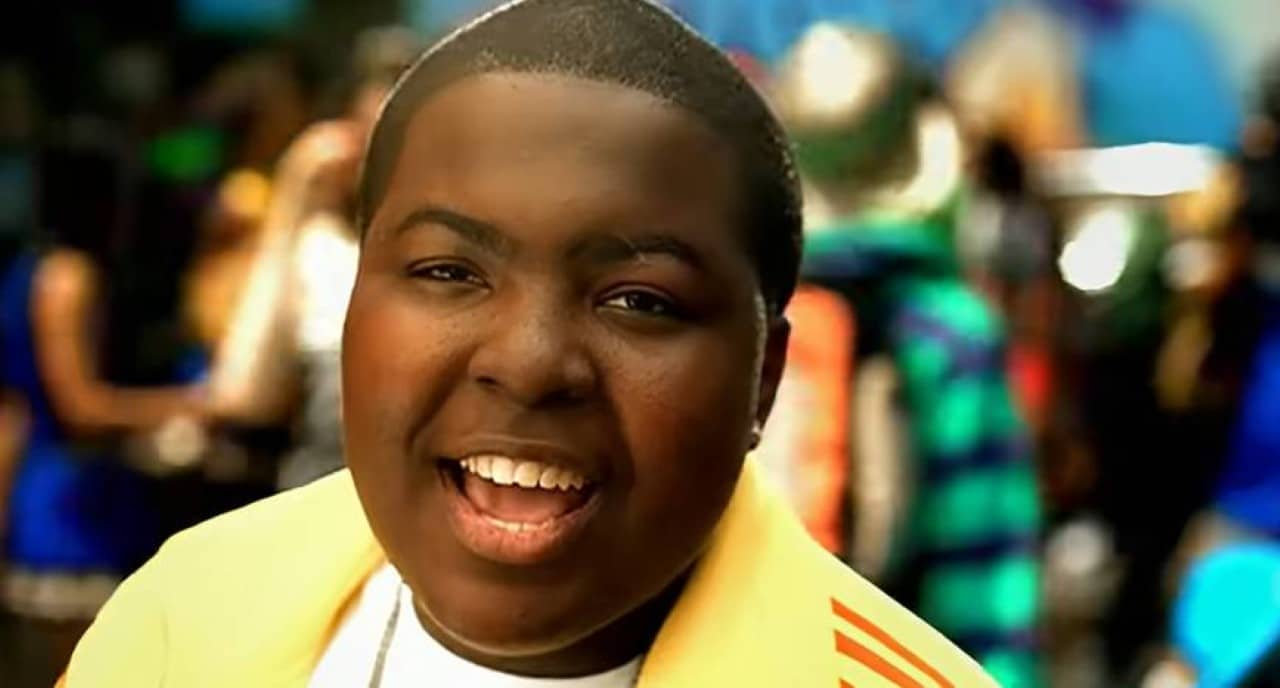
Rapper Sean Kingston, legally known as Kisean Paul Anderson, was sentenced to three and a half years in prison on August 15, 2025, in Fort Lauderdale, Florida, for orchestrating a $1 million fraud scheme that exploited his celebrity status to deceive luxury goods sellers. Alongside his mother, Janice Eleanor Turner, who received a five-year sentence in July, Kingston was convicted in March of conspiracy to commit wire fraud and four counts of wire fraud. The scheme, which ran from April 2023 to March 2024, involved acquiring high-end items like a bulletproof Cadillac Escalade, watches, and a 19-foot LED TV without payment, using fake wire transfer receipts. The sentencing, overseen by U.S. Judge David Leibowitz, followed a high-profile SWAT raid on Kingston’s rented mansion in May 2024, with Kingston arrested in California during a performance. The case has sparked discussions about celebrity accountability and financial mismanagement in the entertainment industry.
Kingston, who rose to fame at 17 with his 2007 hit “Beautiful Girls,” apologized in court, citing lessons learned from his actions. His attorney argued his immaturity and reliance on others, while prosecutors painted him as a calculated conman addicted to a lavish lifestyle.
- Fraudulent items: Included a bulletproof Escalade, luxury watches, and a large LED TV.
- Tactic: Kingston leveraged social media to lure sellers with promises of promotion.
- Arrests: Turner was detained during a SWAT raid; Kingston was apprehended in California.
The case, drawing significant media attention, highlighted the vulnerability of vendors to celebrity-driven scams.
Mechanics of the fraud
Between April 2023 and March 2024, Kingston and his mother executed a sophisticated fraud, targeting sellers of luxury goods. Kingston used his fame to negotiate deals, inviting vendors to his upscale Florida rental to finalize transactions. He promised to showcase their products on his social media platforms, a tactic that built trust. However, payments were never made, and victims received fake wire transfer receipts, often texted by Kingston or Turner. Court records revealed incriminating messages, including one where Kingston instructed his mother to produce a fake receipt, assuring victims funds would clear soon.
The scheme defrauded 21 victims, with losses exceeding $1.17 million. Many sellers only recovered funds after legal action or police involvement. Prosecutors emphasized Kingston’s deliberate manipulation, rejecting claims of financial naivety.
Courtroom proceedings
In the Fort Lauderdale courtroom, Kingston, dressed in a black suit, expressed remorse before Judge Leibowitz. His attorney, Zeljka Bozanic, argued that Kingston’s rapid rise to fame at a young age left him unprepared to manage wealth, relying heavily on his mother and business managers. She noted he had begun repaying victims and planned to settle all debts post-release.
- Defense argument: Kingston lacked financial literacy due to early fame.
- Prosecution’s stance: Kingston knowingly exploited his celebrity status.
- Judge’s ruling: Leibowitz acknowledged Kingston’s accountability but rejected naivety claims.
Assistant U.S. Attorney Marc Anton described Kingston as a habitual fraudster who bullied vendors to sustain an unaffordable lifestyle, labeling him a “thief and conman.”
Victims’ losses
The fraud impacted a range of victims, from jewelers to car dealers, who faced significant financial strain. Some waited months for payments that never arrived, forcing them to pursue lawsuits. The May 2024 SWAT raid on Kingston’s Southwest Ranches mansion recovered several fraudulently obtained items, including the Escalade and TV. These were returned to victims, though many still await full restitution.
- Total losses: Over $1.17 million across 21 victims.
- Recovered items: Some goods were seized during the raid.
- Legal actions: Victims filed lawsuits to recover unpaid amounts.
Kingston’s defense highlighted his ongoing efforts to repay victims, with plans to leverage future music earnings to cover remaining debts.
Rapper Sean Kingston has been sentenced to three and a half years in prison for his role in a $1 million fraud scheme pic.twitter.com/ag7gaSJJQL
— Dexerto (@Dexerto) August 15, 2025
Janice Turner’s role
Janice Turner, Kingston’s mother, played a pivotal role, managing the scheme’s logistics and producing fake receipts. Sentenced to five years in July 2025, Turner had a prior fraud conviction in 2006, serving 18 months for bank fraud. In court, she claimed her actions aimed to protect her son, but Judge Leibowitz criticized her testimony as obstructive, increasing her penalty.
- Prior conviction: Turner served time for fraud in 2006.
- Scheme involvement: Handled financial logistics and fake receipts.
- Additional penalty: Faces potential deportation to Jamaica post-sentence.
A hearing in October 2025 will determine the final restitution amount for Turner.
Kingston’s career fallout
Sean Kingston’s career, built on hits like “Take You There” and “Fire Burning,” faces uncertainty. His 2007 breakthrough blended reggae and pop, earning global acclaim, but the fraud conviction has tarnished his reputation. Fans on social media are divided, with some defending his talent and others condemning his actions. The three-year supervised release following his prison term may further complicate his comeback.
- Career highlights: “Beautiful Girls” topped charts in 2007.
- Arrest context: Kingston was detained mid-performance in California.
- Future plans: His team aims to revive his music career post-release.
The case has fueled debates about the pressures of fame and financial accountability in the music industry.
Investigation and raid
The May 2024 SWAT operation at Kingston’s rented mansion marked a turning point. Authorities seized evidence, including fraudulent items and incriminating communications. Kingston’s arrest at Fort Irwin, California, followed shortly after, with no resistance to extradition. The investigation uncovered a pattern of fraud involving at least 17 additional victims, with pending state charges that could extend legal consequences.
- Raid details: Conducted in May 2024 at Kingston’s Florida mansion.
- Evidence: Fake receipts and text messages were key to convictions.
- Arrests: Turner was apprehended on-site; Kingston was detained later.
The case underscored the effectiveness of coordinated law enforcement efforts in tackling celebrity-driven fraud.