Lassana Diarra Case: Ex-player demands $412 million from Fifa in new legal chapter

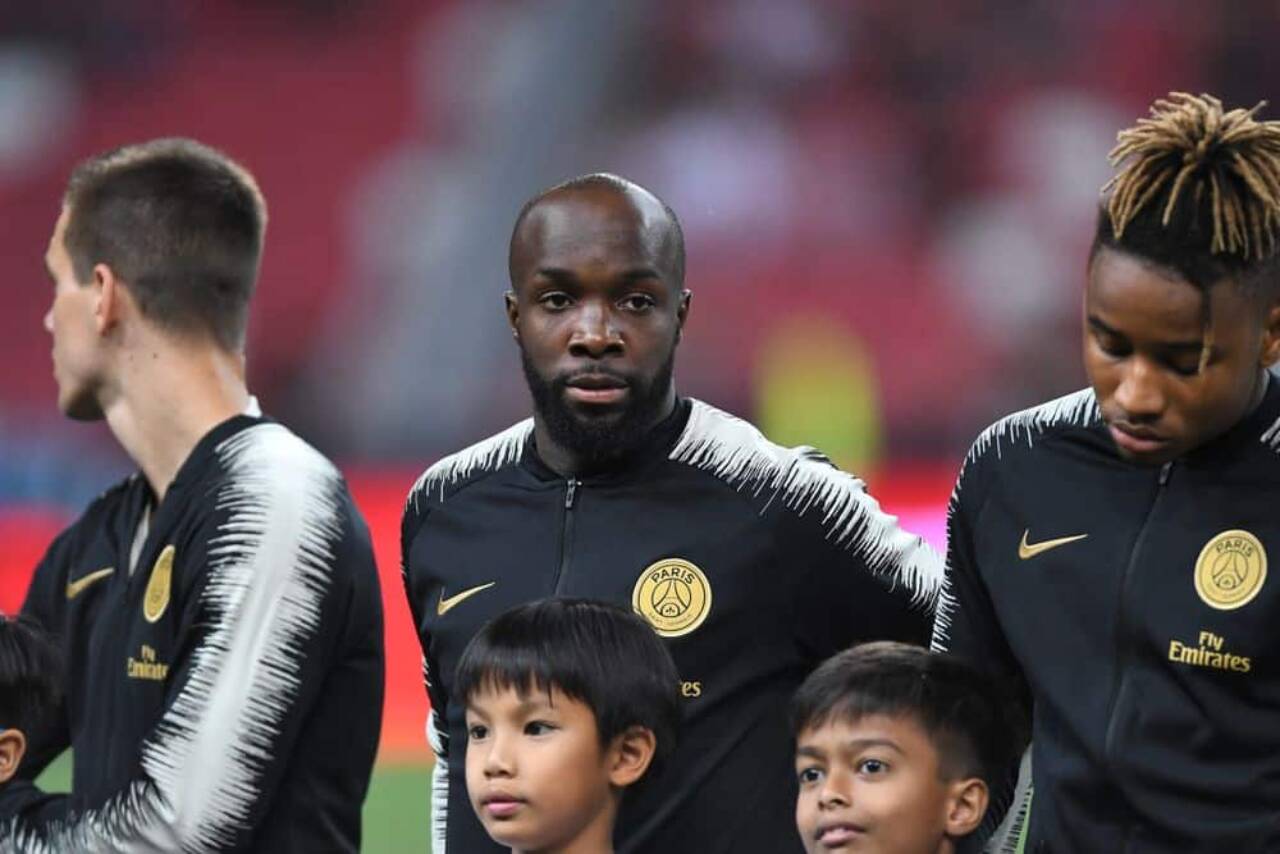
Lassana Diarra, a former player for clubs like Chelsea, Arsenal, Real Madrid, and PSG, has filed a lawsuit against Fifa in Belgium, seeking 65 million euros (approximately $412 million) for damages to his career. Launched on August 18, 2025, the case is a new chapter in the Diarra Case, challenging Fifa’s transfer regulations. The European Court of Justice (ECJ) ruled in October 2024 that Fifa’s Regulations on the Status and Transfer of Players (RSTP) violate EU free movement laws. The lawsuit, filed in Belgian courts with FIFPro’s support, could reshape the global football transfer system.
The dispute began in 2014 when Diarra terminated his contract with Lokomotiv Moscow without just cause. The Russian club demanded 20 million euros ($124 million) in compensation, and Fifa ordered Diarra to pay 10.5 million euros. This ruling sidelined him for nearly a year, deterring clubs like Belgium’s Charleroi due to financial risks. After winning an ECJ appeal, Diarra paved the way to challenge Fifa’s regulations.
The current lawsuit seeks compensation for lost wages and career opportunities. The case is seen as a potential landmark, akin to the 1995 Bosman ruling, which transformed the transfer market.
- Key points of the Diarra Case:
- ECJ’s 2024 ruling deemed Fifa’s rules contrary to EU law.
- Diarra was unable to play for a year due to the Lokomotiv dispute.
- A collective lawsuit by 100,000 players could amplify the case’s impact.
New chapter in the fight against Fifa
Diarra’s lawsuit in Belgium intensifies pressure on Fifa to revise its transfer rules. He argues that RSTP’s Article 17 restricted his professional mobility, violating free movement and competition principles. The ECJ’s 2024 ruling noted that these rules impose unpredictable and disproportionate financial risks on players and clubs, limiting international transfers. The lawsuit seeks not only compensation but also broader structural changes in football.
Diarra’s lawyer, Martin Hissel, stated that Fifa and the Belgian Football Association (RBFA) refused an amicable solution, forcing the case into national courts. This reflects Fifa’s resistance to aligning its rules with EU law, according to Hissel. The case is backed by FIFPro, the global players’ union, which sees it as a chance to reform the transfer system.
Following the ECJ ruling, Fifa announced a provisional regulation for the January 2025 transfer window in December 2024. Changes include clearer indemnity rules for contract breaches and the removal of automatic assumptions of inducement by new clubs.
- Fifa’s proposed changes:
- Clearer guidelines for indemnities in contract terminations.
- Requirement of proof for inducement of contract breaches.
- Elimination of automatic rejection of International Transfer Certificates.
Lassana Diarra saisit la Cour de justice européenne et réclame 65 millions d'euros à la FIFA
— L'Équipe (@lequipe) August 19, 2025
➡️ https://t.co/ljfQc7dO6m pic.twitter.com/HiO1jmrb3H
Impact on the transfer market
The Diarra Case could redefine the transfer market, which moved $8.59 billion in 2024, per Fifa’s Global Transfer Report. The ECJ ruling challenges hefty fines that treat players as financial assets rather than workers with rights. In Brazil, where player sales account for up to 39% of club revenues, as seen with Fluminense, the changes could have significant effects.
Experts suggest the case may weaken Fifa’s regulatory power, pushing for more democratic governance. Lawyer João Paulo di Carlo notes that the collective lawsuit by the Players’ Justice Foundation (JfP), representing up to 100,000 players, broadens the dispute’s scope. The JfP, advised by Jean-Louis Dupont, the Bosman case lawyer, seeks compensation for players harmed by Fifa’s rules since 2002.
In Brazil, the impact may be limited due to the Pelé Law and General Sports Law, which maintain indemnity clauses for international transfers, protecting clubs. However, Fifa’s mandatory transfer registration could face scrutiny, affecting clubs reliant on exporting talent.
Parallel with the Bosman case
The comparison to the 1995 Bosman case is striking. Jean-Marc Bosman’s victory against Uefa allowed players with expired contracts to transfer freely. The Diarra Case goes further, questioning active contracts and penalties for terminations without cause.
The precedent could lead to collective negotiations among clubs, leagues, and unions for fairer rules. Rosalia Ortega, president of the Ibero-American Institute of Sports Law, advocates abolishing rescission clauses that “trap” players. She argues the current system turns athletes into hostages of exorbitant fines, contradicting workplace dignity principles.
- Similarities with the Bosman case:
- Both challenge restrictions on player mobility.
- Rulings based on EU free movement principles.
- Potential to reshape the global transfer market.
Reactions and next steps
Fifa faces mounting pressure to overhaul its regulations. The organization began talks with the European Club Association, FIFPro, and the World Leagues Association, but the consultation period ended on November 15, 2024. Fifa’s reluctance to adopt immediate changes drew criticism. Diarra voiced frustration, stating that Fifa’s refusal to negotiate disregards players’ rights.
The JfP’s collective lawsuit could expand the case’s reach, involving players active in Europe since 2002. Sports law expert Antoine Duval predicts the Diarra Case will mark a turning point in recognizing players as workers, not commodities. The Belgian court’s final ruling will determine the compensation amount and the future of transfer regulations.
- Expected next steps:
- Belgian court ruling on Diarra’s lawsuit in 2025.
- Potential overhaul of Fifa’s RSTP Article 17.
- Expansion of the collective lawsuit to other affected players.
Global landscape and legal outlook
The Diarra Case reignites debate over sports organizations’ autonomy. Fifa operates with its own rules, but rulings like this show football is subject to labor laws. The EU Charter of Fundamental Rights and international norms, like the American Convention on Human Rights, reinforce player protections.
In Brazil, immediate impacts may be minimal, but long-term effects could inspire similar actions. Brazilian clubs, reliant on European markets, monitor the case closely. Lower rescission fines concern directors but could benefit players seeking greater contract freedom.
Lawyer Andrei Kampff notes that European rulings often influence Brazil. He suggests Brazilian players organize to push for Fifa rule changes, ensuring legal protections. Diarra’s fight is not just personal but a movement that could transform global football.