Super Typhoon Ragasa, the strongest of 2025, hits China after leaving 17 dead in Taiwa Por Luís Henrique Costa
8 min de leitura
 |
Super Typhoon Ragasa, the most intense tropical cyclone recorded in 2025, swept across southern China’s coast on Wednesday, September 24, after causing significant destruction in Taiwan and the Philippines. Sustained winds of up to 195 kilometers per hour drove the storm into Yangjiang city, Guangdong, shortly after 6 a.m. Brasília time. Chinese authorities activated emergency protocols, deploying supplies and rescue teams to mitigate the storm’s effects.
Coastal areas of Guangdong face gusts exceeding 260 kilometers per hour, with projected rainfall accumulation surpassing 300 millimeters in hours. Initial impacts included disruptions to essential services, such as electricity and public transport, while massive waves battered port infrastructure. Before reaching mainland China, Ragasa left a trail of damage in neighboring regions, underscoring the vulnerability of islands and peninsulas in the western Pacific.
- Key affected areas include Zhuhai and Zhanjiang, with high tide alerts;
- Fire brigades set up temporary flood barriers;
- Hospitals stockpile medicines for potential casualties;
- Schools and businesses suspend operations until at least Friday.
Monitoring teams note that Ragasa formed rapidly over warm South China Sea waters, gaining strength equivalent to a Category 5 hurricane on the Saffir-Simpson scale. This rare intensity for the season reflects abnormal ocean warming patterns fueling tropical cyclones. In China, the Ministry of Emergency Management coordinated the dispatch of tents and generators to makeshift shelters, prioritizing exposed rural villages.
Cyclone formation and intensification
Ragasa emerged as a tropical depression early in the week, escalating to super typhoon status in under 48 hours due to favorable atmospheric conditions. Its low-pressure center moved east to west, passing remote Philippine islands before hitting Taiwan. Meteorologists highlight that the storm’s wind radius, estimated at 320 kilometers, amplified peripheral effects, causing torrential rains even in distant zones.
This rapid progression surprised observers, as the cyclone maintained structural integrity despite land interactions in the Philippines. Satellite data shows the central pressure dropped to record lows, driving winds that toppled trees and damaged transmission lines in coastal areas. Philippine authorities reported at least three initial deaths, with landslides isolating communities in northern Luzon.
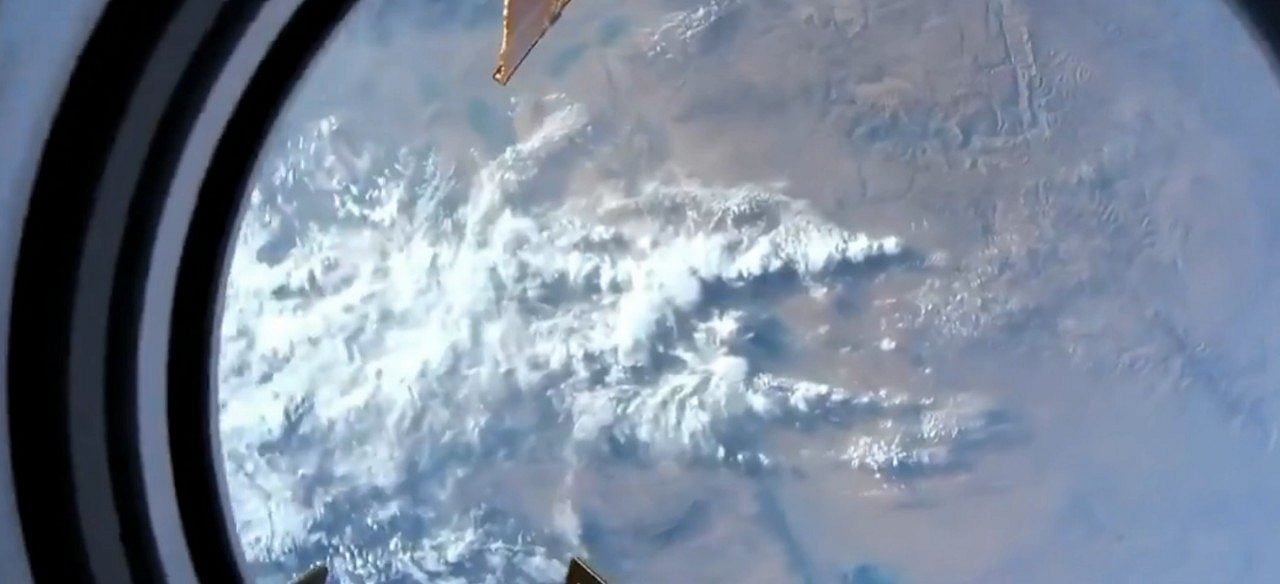
Ragasa’s intensification aligns with a year marked by extreme weather events in the Pacific, where typhoons contribute to billions in economic losses. On Tuesday, the storm displayed well-defined contours, with cumulonimbus clouds forming a visible orbital spiral. Forecasts indicate that after hitting Guangdong, the cyclone will weaken inland but persist as a tropical depression for two more days.
Residents describe the typhoon’s advance as a constant roar, with gusts shaking reinforced concrete structures. In preparation, local governments issued mandatory curfews, closing highways and commercial ports. This preventive mobilization avoided higher initial casualties in China, though rainfall volumes are already causing overflows in secondary rivers.
Mass evacuations in Guangdong province
Guangdong authorities ordered the evacuation of nearly two million residents from vulnerable zones, focusing on low-lying and coastal areas. In Shenzhen, a tech hub, about 400,000 people left their homes, seeking refuge in hotels and community centers. The provincial government distributed survival kits with non-perishable food, flashlights, and basic medicines, while drones monitored evacuation routes to prevent congestion.
This operation, one of the largest in decades, involved thousands of volunteers and military vehicles to transport elderly residents and families with children. Major streets in cities like Guangzhou saw lines of chartered buses, with sirens announcing final departure deadlines. In Zhuhai, near Macau, high-rise buildings were cleared above the tenth floor due to risks of shattered glass from strong winds.
- Supplies sent include 50,000 portable beds and electric generators;
- Anti-flood barriers erected at 200 critical coastal points;
- Alert apps sent notifications to 15 million cell phones;
- Medical teams set up advanced posts in 50 locations.
The logistical effort reflects lessons from past typhoons, like Mangkhut in 2018, which damaged similar infrastructures. Despite the scale, initial reports indicate high compliance, with few resistances noted. Police patrol peripheral neighborhoods to assist those still isolated, while helicopters survey to map risk points.
Destruction in Taiwan from dam breach
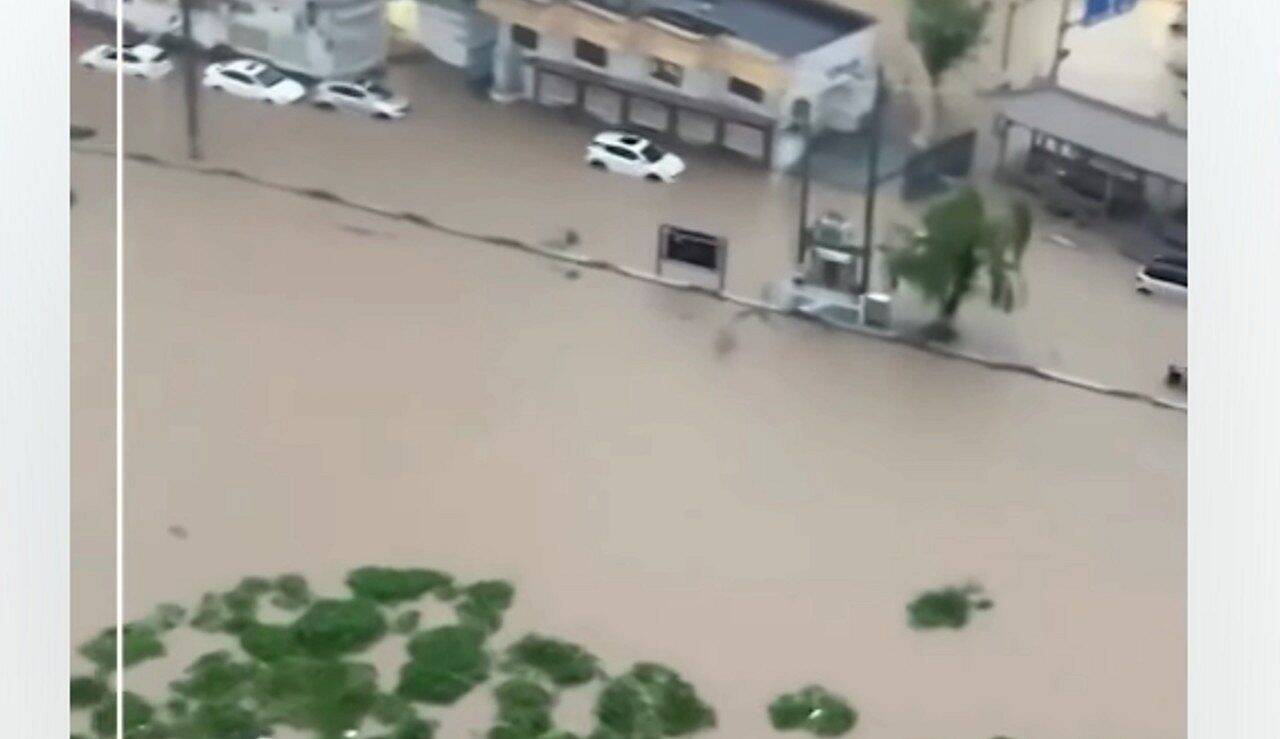
In Taiwan, Ragasa triggered the overflow of a dammed lake in Hualien, releasing 60 billion liters of water over Guangfu district. This catastrophe, on Tuesday afternoon, resulted in 17 confirmed deaths and 17 missing, with rescue teams working under adverse conditions. The village of Dama, with 1,000 residents, was submerged, stranding people on rooftops and upper floors.
The artificial lake, formed by landslides during heavy rains, held a volume equivalent to 36,000 Olympic pools. When the barrier collapsed, a wave of debris swept away bridges and homes, destroying Mataian Bridge and leaving vehicles adrift. Authorities revised the missing count from 152 to 17 after locating groups in makeshift shelters, but searches continue with boats and drones.
About 60% of Guangfu’s 8,000 residents sought safety on higher floors, while others fled to relatives in safer areas. Local leader Wang Tse-an reported initial chaos, with supplies blocked by damaged roads. Fire brigades from across the country converged on the mountainous region, using ropes and winches to reach trapped victims.
The island recorded over 7,000 full evacuations, with six minor injuries elsewhere. International flights were canceled en masse, and ferries suspended, isolating eastern Taiwan. This tragedy echoes Typhoon Morakot in 2009, which killed 700 and caused billions in damages, highlighting the need for stronger hydraulic structures.
Immediate impact in Hong Kong and Macau
Hong Kong faced Ragasa’s fiercest side at dawn on Wednesday, with giant waves flooding sidewalks and submerging streets in the east and south. The T10 alert signal, the highest possible, was activated by the Observatory, halting schools, banks, and the international airport, which canceled over 500 flights. Seawater flooded hotel lobbies like Fullerton Ocean Park, knocking down pedestrians and damaging furniture.
In Macau, casinos closed for the first time in years, and bridges were shut to prevent collapses under 220-kilometer-per-hour winds. Residents reported high-rise buildings swaying, with cracked windows and century-old trees toppled on main avenues. The local government ordered low-lying area evacuations, affecting tourists and residents in floating hotels.
- Over 100 international flights rerouted to nearby airports;
- Disneyland and theme parks suspended operations for 48 hours;
- Cleanup crews clear debris from 200 main streets;
- Hospitals treat 82 minor injury cases from falls.
The storm passed 120 kilometers south of the city, but its “dirty side” – the right portion of its path – intensified rains and high tides, raising levels by up to three meters. Authorities compare the event to super typhoons of 2017 and 2018, which caused hundreds of millions in property damage. Still, injuries remained low due to early warnings.
Economic losses and government responses
Ragasa’s advance disrupted supply chains in Guangdong, impacting electronics and manufacturing industries. Shenzhen, home to giants like Huawei and Tencent, saw complete shutdowns, with factories closed and ports inoperative. Preliminary estimates suggest losses in the millions of dollars per hour, especially in stalled maritime exports.
Regional governments released emergency funds for quick repairs, prioritizing power and communications. In China, the National Meteorological Center issued a red wave alert, the first of the year, mobilizing 10,000 troops for logistical support. Taiwan activated its national disaster plan, with the premier ordering a probe into evacuation warning failures in Hualien.
Responses include reinforcing Pearl River dikes with materials from federal stocks. Volunteers distribute drinking water in shelters, while satellites track the post-landfall path. The cyclone, now weakening, will head toward northern Vietnam, where similar alerts prepare rural communities.
Ragasa’s path through the Philippines and regional lessons
In the Philippines, Ragasa made landfall on Panuitan island on Monday, causing three deaths and thousands displaced in northern Cagayan. Villages evacuated preemptively after protests against poorly executed flood control projects exposed infrastructure weaknesses. Rains of 400 millimeters flooded Luzon, with landslides isolating roads and requiring air rescues.
Locally named Nando, the typhoon generated three-meter waves in Batanes, threatening fishermen and coastal communities. Authorities reported 10,000 affected, with schools turned into shelters. This initial passage highlighted the archipelago’s cyclone frequency, the highest globally.
- 14 tropical disturbances hit the country in 2025 so far;
- Dike projects cost billions but failed in tests;
- Fishermen rescued from boats capsized by 285 km/h winds;
- Indigenous communities lead local rebuilding efforts.
These regional events underscore interconnected Asian responses, with data sharing among Taiwan, China, and Philippine agencies. Ragasa, with its wide radius, shows how a single system can impact multiple territories, demanding cross-border coordination.