US daylight saving time ends on November 2, 2025
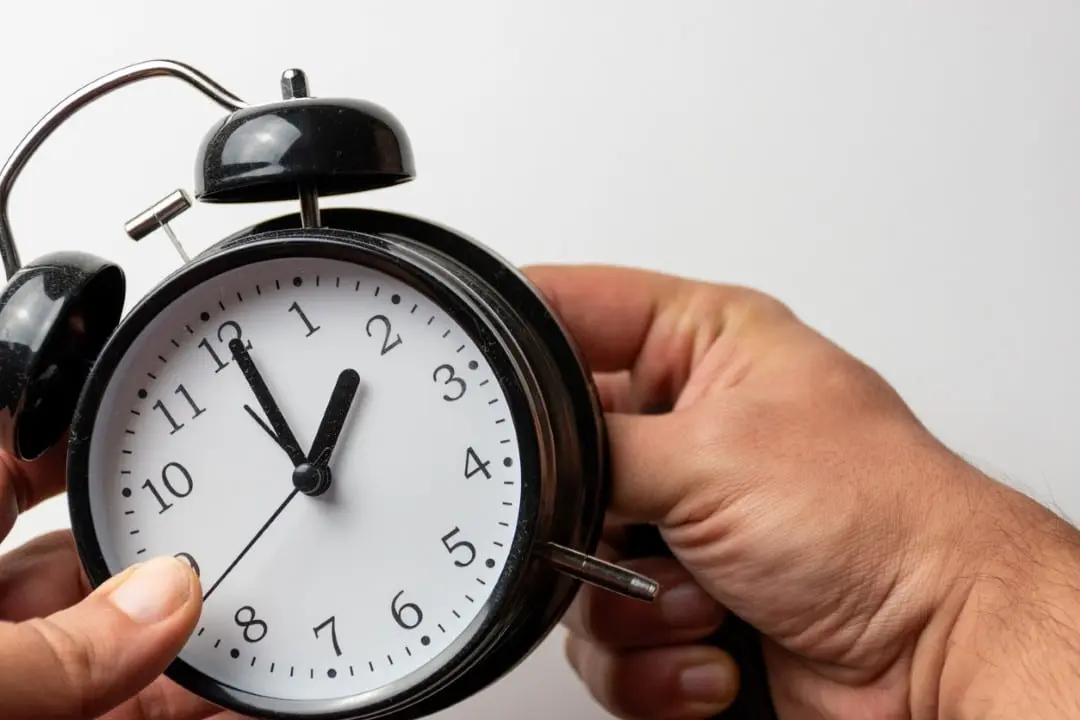
Daylight saving time in the United States in 2025 will end on November 2 at 2 a.m., when clocks will be set back one hour, returning to standard time. The change marks the end of an eight-month period of seasonal adjustments, which begin on the second Sunday of March, as per the Uniform Time Act of 1966. The practice, aimed at maximizing daylight, continues to spark debates, with proposals to make it permanent or eliminate it.
Twenty-nine states, including Pennsylvania, have introduced bills to end biannual time changes.
No mesmo tema: Daylight Saving Time ends on November 2 with a one-hour U.S. clock move back.
- The Sunshine Protection Act, reintroduced in January 2025, seeks to establish permanent daylight saving time.
- Some advocate for standard time, arguing it aligns better with biological rhythms.
- The discussion includes impacts on child safety and the economy.
Seasonal changes in the US
Daylight saving time, implemented for eight months, adjusts clocks to maximize daylight in the late afternoon. The practice, started in the US in 1918, was formalized by the Uniform Time Act. In recent years, its relevance has been questioned, with arguments about energy efficiency and public health.
Debate over ending time changes
The proposal to make daylight saving time permanent gained traction with the Sunshine Protection Act, passed by the Senate in 2022 but stalled in the House. In 2025, the bill was reintroduced, with no progress by October. In Pennsylvania, a 2023 resolution called for ending biannual changes but did not advance. Twenty-nine states have proposed similar legislation, reflecting dissatisfaction with the adjustments.
Mais sobre o assunto: Trump backs permanent daylight saving time as House committee approves bill 48-1
Veja Também

Descoberta de restos mortais em Tucson é afastada de investigação de Nancy Guthrie nos EUA

Morte de professor Jason Arday aos 41 anos reacende debate sobre assédio e diversidade

Produção de mísseis Patriot nos Estados Unidos enfrenta desafios com entregas adiadas até 2029
Impacts of daylight saving time
The fall time change allows an extra hour of sleep or activities. In winter, standard time ensures earlier sunrises, benefiting child safety. Conversely, daylight saving time extends evening daylight, favoring outdoor activities. Studies suggest time changes affect circadian rhythms, fueling criticism of the practice.
Exceptions in the United States
Not all US states adopt daylight saving time. Hawaii and parts of Arizona opt for standard time year-round. Territories like Puerto Rico, Guam, and the Virgin Islands also do not participate in the change. These exceptions reflect decisions based on geographic and cultural factors.
Historical context
Daylight saving time began to save energy during World War I and was reintroduced during crises, such as World War II. In the 1970s, it was adjusted to address the energy crisis. Today, the economic justification is less clear, with studies showing energy savings of less than 1% in some regions.
Next legislative steps
The debate over ending time changes remains open, with divisions between advocates of daylight saving and standard time. The federal bill faces resistance in Congress, while states pursue local solutions. Until a decision is made, seasonal adjustments continue, with the next end set for November 2, 2025, and the winter solstice, the shortest day of the year, scheduled for December 21.