Hamas approves Trump’s plan and begins permanent ceasefire in Gaza Strip

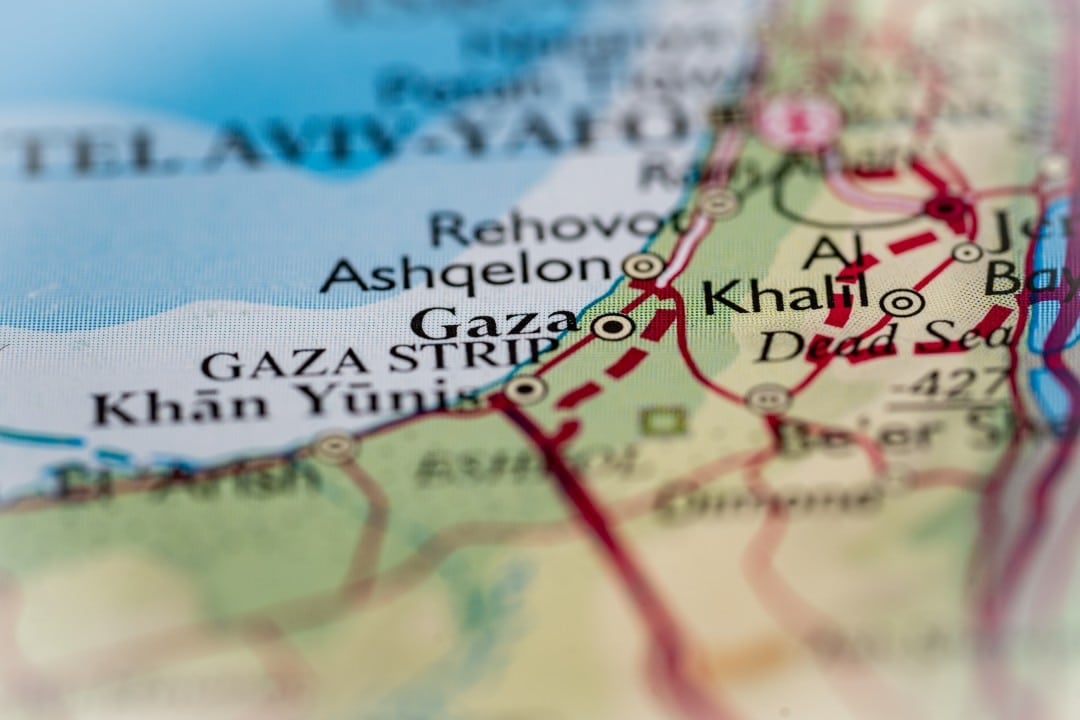
Khalil Al-Hayya, Hamas’s chief negotiator, announced on Thursday (9) in Gaza the end of the war with Israel. The group accepted the peace proposal presented by U.S. President Donald Trump following assurances from Arab mediators and the United States. The agreement aims to halt hostilities that began in October 2023, focusing on the release of hostages and the delivery of humanitarian aid.
The announcement came amid intense negotiations in Egypt, involving Qatar, Turkey, and Egypt as facilitators. Al-Hayya emphasized that the permanent ceasefire depends on the immediate implementation of initial clauses. Israeli authorities are expected to vote on ratifying the plan in the coming hours.
- Release of approximately 20 living hostages and remains of 28 others within 72 hours;
- Exchange for 1,700 to 2,000 Palestinian prisoners held in Israel;
- Partial withdrawal of Israeli troops to pre-designated positions in the Gaza Strip.
Initial details of the bilateral agreement
Trump’s 20-point plan establishes the first phase as a suspension of military operations. Israeli troops will withdraw from central areas in Gaza, allowing the reopening of the Rafah crossing in both directions. This measure will facilitate the flow of essential supplies to the local population.
Mediators confirmed that the document includes a timeline for reconstruction under the supervision of an international committee. Hamas thanked regional allies for their support during the conflict but stressed the need for strict adherence by all parties.

Conflict history and official figures
The conflict began with Hamas attacks on October 7, 2023, resulting in 1,200 deaths in Israel and the kidnapping of 251 people. Israel’s response caused over 60,000 deaths in Gaza, according to Palestinian and Israeli authorities.
Previous truce attempts failed in November 2023 and January 2025 due to disagreements over disarmament and full withdrawal. The current proposal addresses these issues with progressive phases, prioritizing Hamas’s gradual demobilization.
The UN General Assembly approved a resolution in June with 149 votes in favor, demanding an unconditional ceasefire and the end of the humanitarian blockade. These elements influenced recent negotiations, expanding the agreement’s scope.
International guarantees and implementation
The United States and Arab mediators provided written assurances that the first phase will lead to a definitive end to the war. UN Secretary-General António Guterres expressed support for full implementation, with increased aid deliveries.
The European Commission praised the progress, highlighting the dignified release of all hostages. Palestinian President Mahmoud Abbas views the agreement as a foundation for a long-term political solution.
Immediate humanitarian measures
The entry of 400 aid trucks daily will occur in the first five days, with gradual escalation. This action aims to address the hunger and displacement crisis affecting millions in the region. Organizations like the Red Cross will coordinate initial distribution.
The agreement does not specify Hamas’s complete disarmament but provides conditional amnesty for members committed to peaceful coexistence.
Reactions from regional leaders
Qatar’s Prime Minister, Sheikh Mohammed bin Abdulrahman al-Thani, highlighted progress in discussions in Sharm el-Sheikh. Turkish authorities reported significant advances, focusing on Israel’s complete withdrawal in future stages.
In Israel, National Security Minister Itamar Ben-Gvir expressed reservations about Hamas’s dismantlement, but the cabinet is expected to approve the plan. Palestinians in Khan Younis held spontaneous celebrations in the streets, according to local reports.
Egyptian sources indicate that the flow of medical supplies will prioritize hospitals in southern Gaza. Turkish Foreign Minister Hakan Fidan confirmed commitment to a positive outcome.
Subsequent phases and oversight
The second phase will involve the release of additional prisoners and the start of reconstruction under a transitional government led by Palestinian technocrats. This temporary structure will exclude armed groups, promoting a demilitarized zone.
Trump’s plan requires the dissolution of Hamas’s military capabilities, with monitoring by international forces. Details on the full withdrawal timeline remain under discussion, but sources indicate mutual commitment.
An Israeli source revealed that over half of Gaza’s territory will initially remain under military control, with progressive return. Hamas insisted on guarantees against violations, citing past incidents in March 2025.
Advances in mediated negotiations
Hamas delegations, led by Al-Hayya, and Israel met indirectly in Egypt since Sunday. President Trump announced that the agreement is close to final details, with Israel’s vote scheduled for this afternoon.
The plan addresses Palestinian demands for sovereignty, including the formation of an independent state. Arab mediators coordinated changes to the original proposal, incorporating ceasefire and aid timelines.
This initial stage lasts 42 days, with possible extension based on compliance. U.S. officials expressed optimism about the rapid release of hostages, easing pressure on Israeli families.
Preparations for reconstruction
Gaza will receive supplies to repair damaged infrastructure, prioritizing water and electricity. The UN will participate in efforts, ensuring transparency in resource allocation.
The agreement includes the return of Israeli soldiers’ bodies in exchange for prisoners sentenced to life. This humanitarian exchange marks progress in negotiations stalled for months.
Displaced Palestinians will be able to return to safe areas with international logistical support. The focus remains on stabilization, avoiding regional escalations involving Lebanon or Yemen.