
California confirms first US case of severe mpox without travel history

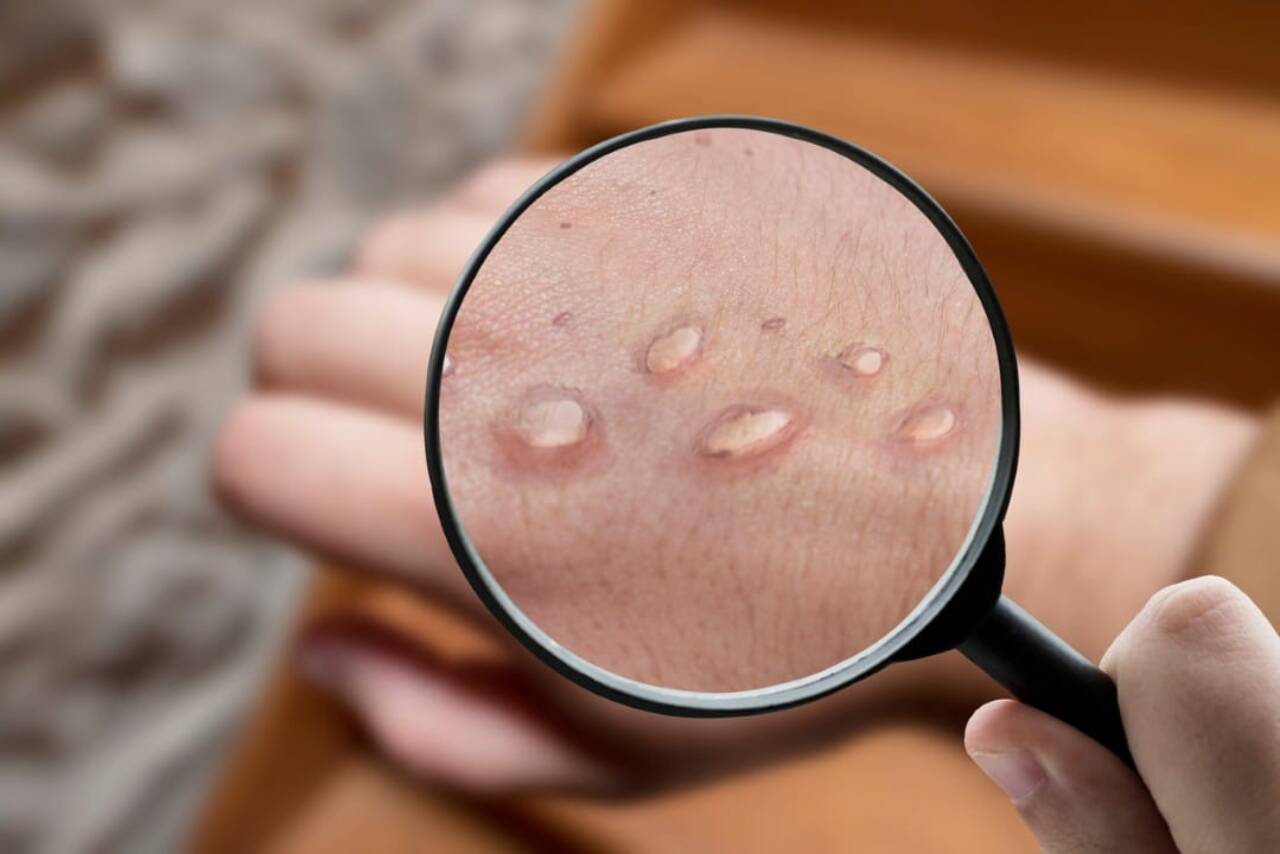
Health officials in Long Beach, California, confirmed the first U.S. case of a severe mpox strain without a travel history. The patient, a local resident, was hospitalized and is now recovering in home isolation. Unlike previous cases of the clade I strain in the U.S., which were linked to travel to Africa, this case has no known international connection. Authorities are investigating potential exposure sources to contain the virus.
The case was reported this week by the Long Beach Health Department. The clade I strain, known for causing severe illness, is endemic in parts of Central and Western Africa. The Centers for Disease Control and Prevention (CDC) states the risk to the general public remains low. The JYNNEOS vaccine is recommended for high-risk groups to prevent infection.
- Prevention measures: JYNNEOS vaccine for at-risk individuals.
- Local actions: Epidemiological investigation to trace contacts.
- Recommendations: Monitor for symptoms like rash and seek medical care.
This case highlights the need for ongoing surveillance and rapid response to prevent further spread.
Heightened surveillance in Long Beach
Local authorities have ramped up monitoring following the case confirmation. The investigation focuses on identifying the patient’s contacts and potential exposure sources. The Long Beach Health Department is collaborating with the CDC to implement swift preventive measures.
Characteristics of the clade I strain
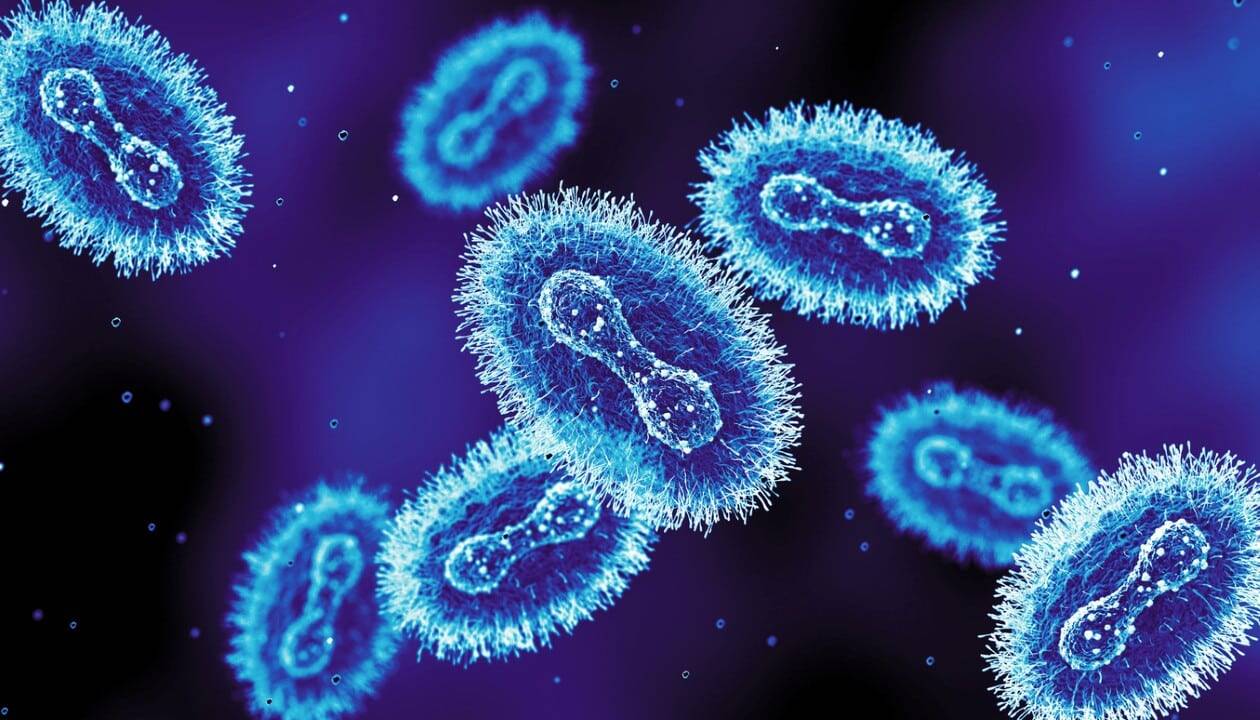
The clade I mpox strain is more severe than the clade II variant, which caused the 2022 global outbreak. It can lead to rash, fever, and rare complications. Transmission occurs mainly through close contact, including skin-to-skin or contaminated surfaces. The virus has caused sustained outbreaks in Africa, particularly in Central and Eastern regions. Vaccination and case isolation remain key strategies for control.
Vaccination as a key defense
The JYNNEOS vaccine, given in two doses, is effective in preventing mpox. High-risk groups, such as men who have sex with men with multiple partners, are urged to get vaccinated.
Low risk to the general public
The CDC emphasizes that the risk to the general population is low. Most mpox cases resolve within two to four weeks without specific treatment. Severe cases are rare and typically affect immunocompromised individuals.
History of mpox cases in the US
Since early 2024, seven clade I cases have been confirmed in the U.S., all but this one linked to travel. The Long Beach case raises concerns about potential local transmission. The less severe clade II strain has continued to circulate at low levels since the 2022 outbreak, which recorded over 30,000 U.S. cases.
Recommended preventive measures
- Get vaccinated if in a high-risk group.
- Avoid close contact with individuals showing rashes.
- Seek medical attention for suspicious symptoms.
- Practice strict hygiene, including frequent handwashing.
Health officials stress community cooperation to prevent additional cases.





