
Limp Bizkit mourns bassist Sam Rivers’ death at 48 in official statement

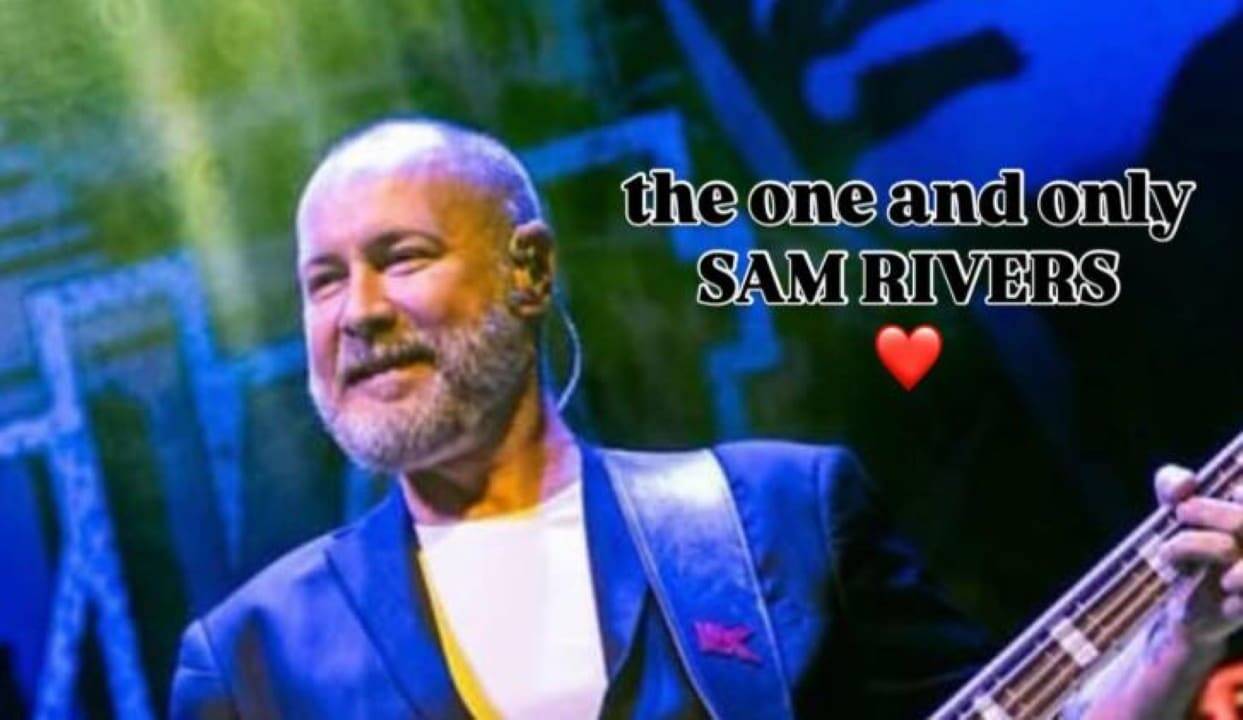
Limp Bizkit announced on Saturday, October 18, 2025, the death of their bassist and founding member Sam Rivers, aged 48. The statement was shared on the band’s social media, without details on the cause of death. Rivers had been part of the lineup since the band’s formation in 1994 in Jacksonville, Florida, shaping the nu-metal sound.
The announcement came on the day of his passing, surprising fans and the music community. The band described Rivers as essential to their sonic and personal identity. The group, formed by Fred Durst, Wes Borland, John Otto, and DJ Lethal, highlighted the immediate impact of the loss on their activities.
Rivers grew up in Florida and met Durst while working at fast-food jobs, leading to the initial formation of Limp Bizkit. His role in all the band’s albums marked three decades of career.
Early formation and nu-metal rise
Limp Bizkit formed in 1994 with Rivers, Durst, and Otto as the core. Borland joined soon after, completing the classic lineup in 1996 with DJ Lethal.
The band rose to fame in the late 1990s, blending rap, metal, and rock. Albums like “Significant Other” (1999) sold millions of copies in the US.
Rivers played bass and backing vocals on hits like “Nookie” and “Break Stuff,” which have billions of streams on digital platforms.
In 2001, he contributed guitar to the album “Results May Vary” after Borland’s temporary departure.
Rivers’ musical contributions
Rivers shaped Limp Bizkit’s signature groove with powerful basslines. His effortless technique defined iconic nu-metal tracks.
Beyond bass, he played tuba in his teens and explored guitar in side projects. His endorsements by brands like Ibanez and Warwick highlighted his style.
He used custom basses with LED-lit necks, visible in the band’s high-energy 2000s shows.
In 2019, he adopted a five-string Fender Jazz Bass for live performances, adapting to global tours.
Health challenges and band return
Rivers left Limp Bizkit in 2015 due to health issues. Initially diagnosed with degenerative disc disease, he later revealed severe alcoholic hepatitis.
He quit drinking and followed strict medical treatment. In 2018, he returned after a successful liver transplant.
During his absence, musicians like Samuel Mpungu covered bass duties in shows. Rivers shared his recovery journey in interviews, emphasizing lifestyle changes.
His hiatus lasted three years, but his return strengthened the band’s cohesion for later albums.
Band’s official tribute
Limp Bizkit’s statement called Rivers their “brother” and “heart of the band.” The members signed the message, recalling shared moments in studio and on stage.
DJ Lethal posted separately, requesting privacy for the family. He noted Rivers’ charity work, which impacted lives through donations and friendships.
The band plans tributes in future shows but canceled immediate schedules for mourning.
Fans responded with social media posts, sharing Rivers’ basslines in tribute videos.
- Hits like “Rollin’” received acoustic cover tributes.
- Dedicated Spotify playlists emerged, with over 100,000 adds in hours.
- Artists like Korn and Linkin Park shared public condolences.
Legacy in albums and performances
Limp Bizkit released six studio albums with Rivers. “Chocolate Starfish and the Hot Dog Flavored Water” (2000) went multi-platinum, driven by singles like “My Way.”
The band paused from 2006 to 2009 but returned with sold-out arena tours. Rivers performed at festivals like Ozzfest and Download.
His bass anchored hip-hop and metal fusions, influencing bands like Papa Roach. In 2024, the group reworked game themes, with Rivers on “Battlefield: The After-Party.”
Rivers is survived by his wife and children; the family has not released an official statement. Limp Bizkit promised further details on a memorial.
Rivers’ death closes a chapter of the 1990s and 2000s rock era, with the band vowing to honor his memory in future recordings.





