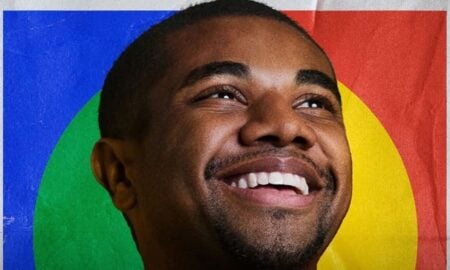
Pará chef Saulo Jennings turns down event with Prince William for exclusive vegan menu Por Luís Henrique Costa
3 min de leitura
 |
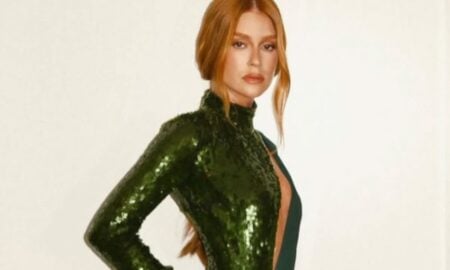
The Earthshot Prize 2025, an environmental award led by Prince William, mandated a 100% vegan menu for its official dinner in Rio de Janeiro on November 5. Paraense chef Saulo Jennings, initially hired for the event, declined to participate because he could not include Amazonian fish, a cornerstone of his cuisine. The decision sparked debate about representing local gastronomy at international events. Rio-based chef Tati Lund, from Org Bistrô, will take over to prepare the dinner for 700 guests.
Saulo, owner of Casa do Saulo in Belém, emphasized that he respects veganism but questioned the total exclusion of regional ingredients. He proposed including at least 10% fish-based dishes, but the organizers upheld the restriction. The event precedes COP30, a climate conference in Belém.
- The dinner is part of the Earthshot Prize, created by Prince William.
- COP30 in 2025 will draw global delegations to Belém.
- Saulo’s Amazonian cuisine is internationally recognized.

Showcasing Amazonian cuisine
Saulo Jennings is renowned for dishes like “feijoqueca,” blending black-eyed peas, fish, shrimp, and jambu. In 2023, he cooked for King Charles III at Buckingham Palace, serving fish and Amazonian lamb.
His refusal reflects his mission to promote ingredients from Amazonian rivers and forests. He criticized some international delegations’ apparent reluctance to embrace regional dishes.
Vegan menu and event replacement
The vegan menu aligns with the Earthshot Prize’s environmental focus. Tati Lund, a specialist in vegetarian cuisine, was chosen to replace Saulo.
Her Org Bistrô is recognized in Rio for meat-free dishes. Lund was awarded at the 2025 Rio Show Gastronomy Awards.
The organizers did not clarify whether the vegan mandate came from Prince William or his team. Saulo’s critique underscores his push for inclusive gastronomy.
Impact on Brazilian culinary image
Saulo Jennings, named Gastronomic Ambassador by the World Tourism Organization in 2024, highlights tensions between global trends like veganism and local traditions.
He argues that Amazonian cuisine, featuring fish like pirarucu, is vital to showcasing Brazilian identity. Saulo has received event proposals for COP30 that undervalue regional ingredients, such as requests for “chicken sandwiches.”
His refusal may spark discussions on how Brazil presents its culture globally. COP30 will be a platform for Paraense gastronomy.
Debate on gastronomic inclusion
Saulo’s cuisine emphasizes ingredients like Brazil nuts, plantains, and comari pepper. He stresses that he does not oppose veganism but advocates for inclusive dishes.
Casa do Saulo was Belém’s first restaurant to offer vegan options. It has branches at the Museum of Tomorrow in Rio and Vila Olímpia in São Paulo.
The Earthshot Prize dinner will feature only plant-based dishes, but Saulo’s stance may influence future international event negotiations.
Preparations for COP30
COP30, set for 2025 in Belém, amplifies the visibility of Paraense cuisine. Saulo plans to join other conference events, with freedom to use fish.
The conference will attract global leaders, boosting demand for regional dishes. Saulo’s decision reflects a push for authenticity in Brazilian gastronomy.
Commitment to authenticity
Saulo Jennings clarifies that his choice is not against veganism but in favor of Amazonian identity. He has served fish dishes to world leaders like King Charles III.
The controversy underscores the need to balance global trends with local traditions. Saulo remains dedicated to promoting the Amazon internationally.