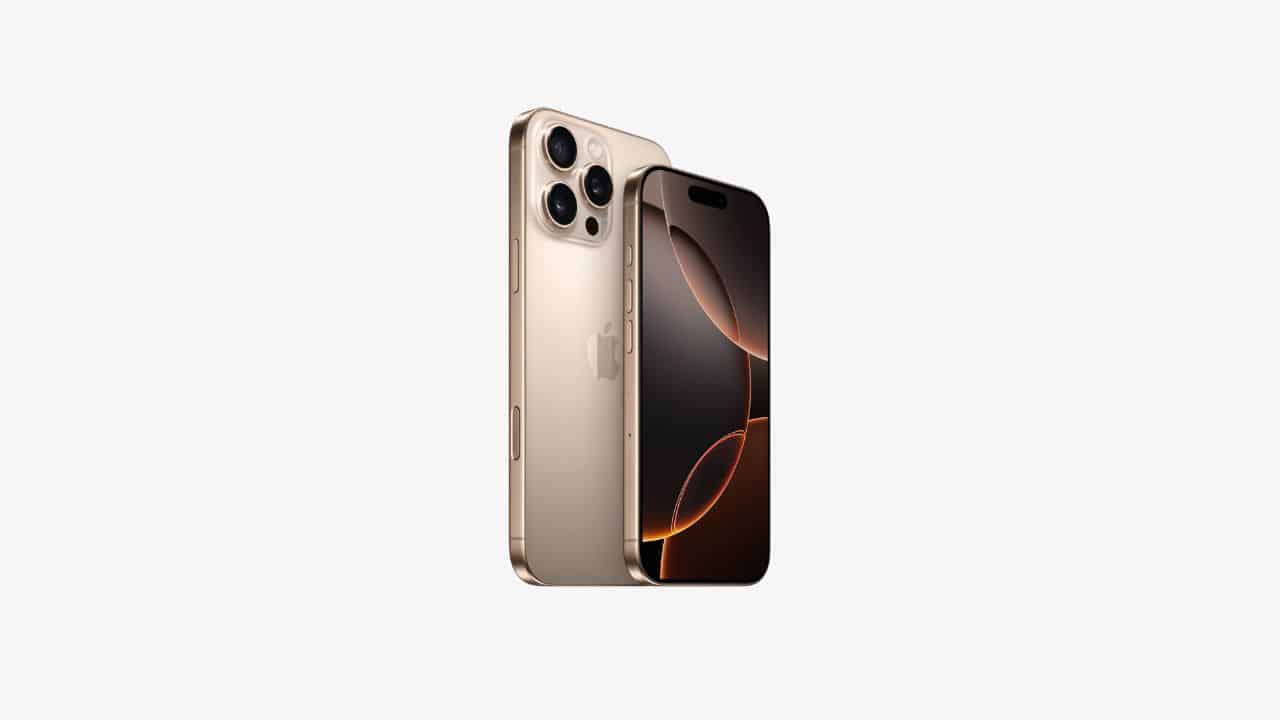
The iPhone 16 Pro, released in September 2024, remains competitive in the Brazilian market despite the iPhone 17 launch in September 2025. The Pro model offers advanced camera and processing features that surpass the latest base model from Apple. Consumers seek a balance between innovation and cost, and the 16 Pro meets this demand with robust specifications.
In Brazil, the iPhone 16 Pro with 128 GB starts at $1,460 on platforms like Mercado Livre, while the iPhone 17 begins at $1,440 for 256 GB. The minimal price difference does not offset the new model’s limitations in professional features. Technology experts highlight that the Pro remains relevant for years.
Apple updates all recent models with iOS 26, ensuring equal support. Users prioritize durability and versatility in current purchases.
- Triple camera with 5x optical zoom in the 16 Pro.
- A18 Pro processor for intensive tasks.
- Data transfer via USB 3 at 5 Gbps.
Advantages in the camera system
The iPhone 16 Pro features a 12 MP periscopic telephoto lens with 5x optical zoom, a feature absent in the base iPhone 17. This setup captures sharp images at longer distances and enhances low-light photos with a larger sensor.
Dolby Vision recordings reach 4K at 120 fps on the 16 Pro, ideal for professional videos. The iPhone 17 is limited to 60 fps in this format, restricting slow-motion options.
Transfer and connectivity features
The iPhone 16 Pro supports USB 3 with speeds up to 5 Gbps, enabling fast transfers of large files. The iPhone 17 uses USB 2, slower and unidirectional.
This difference benefits video editors and photographers handling high-resolution content daily. Compatibility with external accessories also expands in the Pro model.
Processor and battery comparison
The A18 Pro processor in the iPhone 16 Pro runs at 4.05 GHz on 3 nm lithography, delivering smooth multitasking. The iPhone 17’s A19 reaches 4.26 GHz, but tests like AnTuTu show scores differ by only 157,000 points.
Both last up to 29 hours in video playback, per Apple. The 16 Pro excels in real-world use with heavy games, without overheating.
The 16 Pro’s battery supports fast charging and maintains efficiency in extended scenarios.
Storage options and current pricing
The iPhone 16 Pro offers variants from 128 GB to 1 TB, flexible for different user profiles. The iPhone 17 starts at 256 GB, with no smaller option, increasing effective costs for those needing less storage.
Retail prices in Brazil vary: $1,460 for 128 GB of the 16 Pro and $1,440 for 256 GB of the 17. Discounts with trade-ins reach $100 at carriers.
Technical details that differentiate models
The iPhone 16 Pro weighs 187 grams with a titanium frame, resistant to drops. The 6.3-inch Super Retina XDR display hits 2,000 nits brightness, surpassing the iPhone 17’s 1,600 nits.
- Support for HDR10 and Dolby Vision in both, but finer calibration in the Pro.
- Spatial audio with enhanced noise cancellation in the 16 Pro.
- Equal Apple Intelligence integration in both.
These elements add up for daily professional use. The 2024 model balances innovation and affordability.
Advanced photography performance
The 48 MP main and ultrawide lenses in the iPhone 16 Pro capture more light indoors. The 5x zoom allows clear shots of distant events.
Social media users notice sharper posts with selective focus. The iPhone 17 relies on 2x digital zoom, less precise.
Apps like Lightroom run better on the Pro due to dedicated hardware.
Performance in daily tasks and gaming
The iPhone 16 Pro handles apps like Photoshop and Genshin Impact without lag, thanks to 8 GB of RAM. The iPhone 17, with similar setup, matches in daily benchmarks.
Real-world tests show the Pro 10% more efficient in multitasking. Software updates ensure future parity.
Accessories and ecosystem considerations
Both integrate with Apple’s ecosystem, supporting AirPods and Apple Watch. The 16 Pro charges faster with MagSafe, optimizing routines.
Retailers offer kits with cases and chargers for $40 extra with the Pro.