Daylight Saving Time ends on November 2 with a one-hour U.S. clock move back.
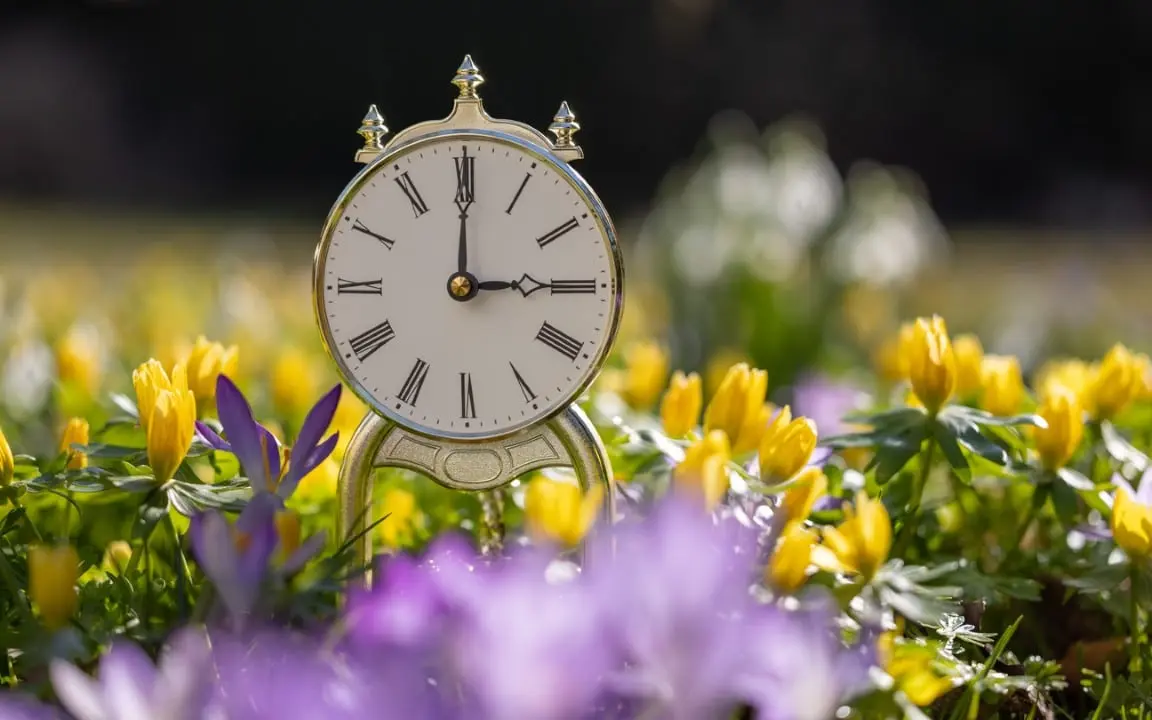
The United States concludes daylight saving time on November 2, 2025, at 2 a.m., when clocks are turned back one hour, returning to standard time. The change ends the eight-month period that began on March 9, in accordance with the Uniform Time Act of 1966. Proposals in 29 states seek to eliminate biannual changes, with the Sunshine Protection Act reintroduced to make daylight saving time permanent.
The practice aims to optimize natural sunlight, but its current effectiveness is questioned. Studies indicate energy savings below 1% with seasonal adjustments. The debate involves health, safety, and economy, with legislative progress pending in Congress.
- The November transition provides an extra hour of sleep.
- Sunrises occur earlier in standard time.
- Evening activities lose extended daylight.
Applied seasonal changes
Daylight saving time extends daylight in the late afternoon for eight months. Started in 1918 during World War I, the system was formalized to reduce energy consumption.
Currently, recorded energy savings remain below 1% in recent analyses. Proposals in states like Pennsylvania aim for annual time consistency.
Mais sobre o assunto: US daylight saving time ends on November 2, 2025

Active legislative proposals
The Sunshine Protection Act, passed by the Senate in 2022, was reintroduced in 2025 without progress in the House. The bill eliminates biannual adjustments by fixing daylight saving time.
Twenty-nine states have presented similar initiatives since 2023. A 2023 resolution in Pennsylvania did not advance, reflecting a national movement against the changes.
Effects on daily health
Time adjustments interfere with the circadian rhythm, causing fatigue during transitions. The return to standard time in November favors additional sleep and earlier sunrises.
Veja Também



Children gain safety on morning commutes with earlier natural light. Outdoor activities decrease with longer nights in winter. Studies associate changes with temporary disorientation in general populations. Benefits of daylight saving time include extended evening light for leisure.
Regional exceptions in force
Hawaii and most of Arizona maintain standard time year-round. Territories such as Puerto Rico and Guam follow the same consistency rule. Geographic factors near the equator influence these decisions. Cultural choices prioritize local time stability without adjustments.
Implementation history
The practice emerged in World War I to save coal and energy. Reintroduced in World War II, adjusted in the 1970s during the energy crisis.
Saiba mais: Trump backs permanent daylight saving time as House committee approves bill 48-1
Today, economic impacts show minimal cost reductions. Criticism grows with evidence of limited benefits in modern society. The 1966 Act standardized national start and end dates. Eight-month periods have been in effect since 2007 reforms.
Progress in congressional debate
State projects accumulate without unified federal resolution. Congress evaluates resistance to the reintroduced Sunshine Protection Act.
The calendar maintains the end on November 2 until legislative changes. The winter solstice on December 21 highlights discussions on standard time.